Product Description
Densen customized china flexible shaft coupling for machine,cnc flexible shaft coupling,custom made shaft coupling flexible couple
| Product Name | China flexible shaft coupling for machine,cnc flexible shaft coupling,custom made shaft coupling flexible couple |
| DN mm | 12~160mm |
| Rated Torque | 25~25000 N·m |
| Allowable speed | 15300~1500 N·m |
| Material | 35CrMo/ZG270/45# steel/Aluminum alloy |
| Application | Widely used in metallurgy, mining, engineering and other fields. |
Product show
Company Information
Equipment
Application Case
Typical case of diaphragm coupling applied to variable frequency speed control equipment
JMB type coupling is applied to HangZhou Oilfield Thermal Power Plant
According to the requirements of HangZhou Electric Power Corporation, HangZhou Oilfield Thermal Power Plant should dynamically adjust the power generation according to the load of the power grid and market demand, and carry out the transformation of the frequency converter and the suction fan. The motor was originally a 1600KW, 730RPM non-frequency variable speed motor matched by HangZhou Motor Factory. The speed control mode after changing the frequency is manual control. Press the button speed to increase 10RPM or drop 10RPM. The coupling is still the original elastic decoupling coupling, and the elastic de-coupling coupling after frequency conversion is frequently damaged, which directly affects the normal power generation.
It is found through analysis that in the process of frequency conversion speed regulation, the pin of the coupling can not bear the inertia of the speed regulation process (the diameter of the fan impeller is 3.3 meters) and is cut off, which has great damage to the motor and the fan.
Later, they switched to the JMB460 double-diaphragm wheel-type coupling of our factory (patent number: ZL.99246247.9). After 1 hour of destructive experiment and more than 1 year of operation test, the equipment is running very well, and there is no Replace the diaphragm. 12 units have been rebuilt and the operation is in good condition.
Other Application Case
Spare parts
Packaging & Shipping
Why Choose Us
1. One stop service:
We have 5 own factories and 50+ sub-contractors located in different areas of China to offer you one-stop manufacturing and purchasing services to help you save time and reduce procurement cost.
2. Your eyes in China:
Our commitment to quality permeates from quoting, scheduling, production, inspection to deliver into your warehouse, our QC team will remark the errors if has on QC documents for your checking before delivery as your 3rd party.
3. Your R&Dconsultant:
With professional engineers team and 29 years manufacture experience ,we would help you work out problems during new parts’ development, optimize design and recommend the most cost-effective solution.
4. Your Emergency Solver:
With continued grown factories team and our QC teams located in different areas, if customers need to expedite the delivery, we would be able to adopt another factory to produce together immediately.
5. Quality Guaranty:
No matter how long time the products delivered, we are responsible for the quality. In case the products be rejected, we would replace them or return fund according to your demand without hesitation
FAQ Q1. Are you a manufacturer or a trader?
Manufacture, we have 5 own foundries, 4 in ZheJiang Province, 1 in ZHangZhoug Province
Q2. Do you have MOQ request?
1 pcs per order is ok with us , unless material is seldom used.
Q3. If I only have a sample,without drawings, can you quote then manufacture for me?
Just send us the sample, we would have the sample simulated and measured by professional equipment then issue formal drawings for
you , at the same time, we could help you optimize the design according to your demand and related processes’ feasibility.
/* March 10, 2571 17:59:20 */!function(){function s(e,r){var a,o={};try{e&&e.split(“,”).forEach(function(e,t){e&&(a=e.match(/(.*?):(.*)$/))&&1
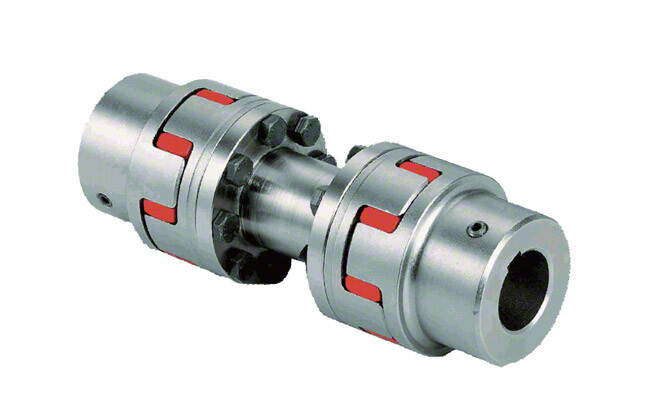
Is It Possible to Replace a Shaft Coupling Without Professional Assistance?
Yes, it is possible to replace a shaft coupling without professional assistance, especially if you have some mechanical knowledge and the necessary tools. However, the ease of replacement can vary depending on the type of coupling and the complexity of the equipment. Here are some general steps to guide you through the process:
1. Safety First:
Before starting any work, ensure that the equipment is turned off and disconnected from the power source. Use appropriate personal protective equipment (PPE) to protect yourself from potential hazards.
2. Assess the Coupling Type:
Different types of couplings may have specific installation and removal methods. Identify the type of coupling you need to replace, and consult the manufacturer’s documentation or online resources for guidance.
3. Gather Tools and Materials:
Collect the necessary tools, such as wrenches, sockets, and a puller (if required), to safely remove the old coupling. Have the new coupling ready for installation, ensuring it matches the specifications of the old one.
4. Disassembly:
If your coupling is a split or clamp-style coupling, you may be able to replace it without fully disassembling the connected equipment. Otherwise, you may need to remove other components to access the coupling.
5. Remove Fasteners:
Loosen and remove any fasteners, such as set screws, that secure the old coupling to the shafts. Take care not to damage the shafts during this process.
6. Extraction:
If the old coupling is tightly fitted on the shafts, you may need to use a coupling puller or other appropriate extraction tools to safely remove it.
7. Clean and Inspect:
After removing the old coupling, clean the shaft ends and inspect them for any signs of damage or wear. Also, check for any misalignment issues that may have contributed to the old coupling’s failure.
8. Install New Coupling:
Follow the manufacturer’s instructions for installing the new coupling. Apply appropriate lubrication and ensure the coupling is correctly aligned with the shafts.
9. Fasten Securely:
Tighten the fasteners to the manufacturer’s recommended torque values to securely attach the new coupling to the shafts.
10. Test Run:
After installation, perform a test run of the equipment to ensure the new coupling operates smoothly and without issues.
While it is possible to replace a shaft coupling without professional assistance, keep in mind that some couplings and equipment may require specialized knowledge and tools for safe and proper replacement. If you are uncertain about the process or encounter any difficulties, it is advisable to seek help from a qualified professional or technician to avoid potential damage to the equipment or injury to yourself.
“`
Real-World Examples of Shaft Coupling Applications in Different Industries
Shaft couplings play a crucial role in various industries by connecting rotating shafts and transmitting torque between them. Here are some real-world examples of shaft coupling applications in different industries:
1. Manufacturing Industry:
In manufacturing plants, shaft couplings are used in various equipment such as conveyor systems, pumps, compressors, and mixers. For example, in a conveyor system, shaft couplings connect the motor shaft to the conveyor belt, allowing efficient material handling and transportation.
2. Oil and Gas Industry:
The oil and gas industry utilizes shaft couplings in applications like drilling rigs, pumps, and generators. In drilling rigs, couplings connect the motor to the drill shaft, enabling the drilling process.
3. Marine Industry:
In the marine industry, shaft couplings are found in propulsion systems, water pumps, and winches. They connect the ship’s engine to the propeller shaft, providing the necessary torque for propulsion.
4. Power Generation:
Power plants use shaft couplings in turbines, generators, and cooling systems. For instance, in a steam turbine, couplings connect the turbine to the electrical generator, allowing the conversion of steam energy into electrical power.
5. Aerospace Industry:
Aerospace applications use shaft couplings in aircraft engines, landing gear systems, and auxiliary power units. Couplings enable power transmission between different components of the aircraft systems.
6. Automotive Industry:
In vehicles, shaft couplings are present in the drivetrain, steering systems, and transmission. For example, in a car’s transmission system, couplings connect the engine to the gearbox, enabling smooth gear changes and power transmission to the wheels.
7. Mining Industry:
The mining industry relies on shaft couplings in heavy-duty machinery such as crushers, conveyor belts, and pumps. Couplings connect motors to various mining equipment, facilitating material extraction and transportation.
8. Agriculture:
Agricultural machinery like tractors and harvesters use shaft couplings to connect the engine to implements such as plows, harvesters, and irrigation pumps.
These examples demonstrate the wide-ranging applications of shaft couplings across industries. In each case, the specific coupling type is chosen based on factors such as torque requirements, misalignment compensation, environmental conditions, and load characteristics to ensure reliable and efficient operation.
“`
Types of Shaft Couplings and Their Applications in Various Industries
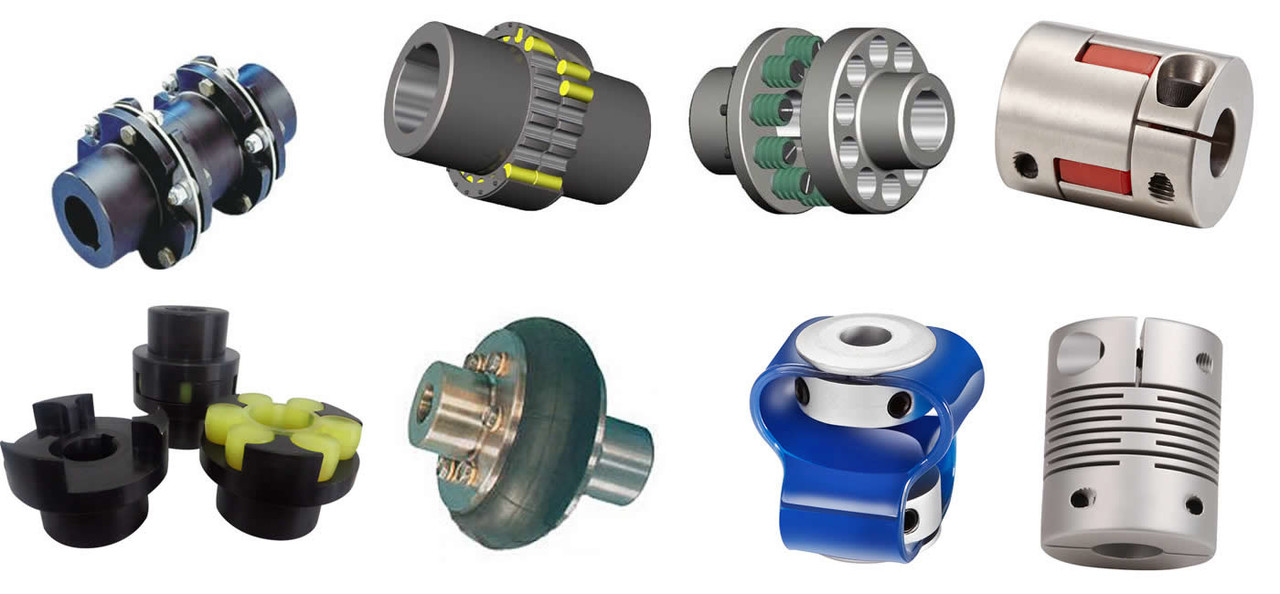
Shaft couplings come in various types, each designed to meet specific application requirements and address different types of misalignment. Here are some common types of shaft couplings and their applications in various industries:
1. Jaw Couplings:
Applications: Jaw couplings are widely used in power transmission applications, including conveyor systems, pumps, compressors, and industrial machinery. They are suitable for moderate torque requirements and provide good misalignment compensation.
2. Gear Couplings:
Applications: Gear couplings are used in heavy-duty industrial applications such as steel mills, paper mills, and mining equipment. They offer high torque capacity and can handle significant misalignments.
3. Disc Couplings:
Applications: Disc couplings are commonly used in precision machinery and automation systems, such as printing presses, machine tools, and robotics. They provide excellent torsional stiffness and are ideal for applications requiring precise positioning.
4. Grid Couplings:
Applications: Grid couplings are used in various industrial applications, including fans, pumps, and compressors. They offer high torque capacity and good shock absorption.
5. Oldham Couplings:
Applications: Oldham couplings are used in applications requiring high misalignment compensation, such as stepper motor drives and motion control systems.
6. Diaphragm Couplings:
Applications: Diaphragm couplings are used in critical applications that demand high torque transmission accuracy, such as aerospace, medical equipment, and semiconductor manufacturing.
7. Elastomeric Couplings:
Applications: Elastomeric couplings, like spider couplings, find applications in general industrial machinery, HVAC systems, and conveyor systems. They provide damping properties and flexibility to accommodate misalignments.
8. Torsionally Rigid Couplings:
Applications: Torsionally rigid couplings are used in applications requiring precise torque transmission, such as precision machining equipment and high-speed spindles.
9. Fluid Couplings:
Applications: Fluid couplings are used in heavy machinery and drivetrains, such as mining equipment, crushers, and marine propulsion systems. They provide smooth acceleration and dampening of shock loads.
10. Magnetic Couplings:
Applications: Magnetic couplings are used in applications where hermetic sealing is required, such as chemical processing, pumps, and mixers. They allow for torque transmission without direct physical contact.
The selection of the appropriate shaft coupling type depends on factors such as torque requirements, speed, misalignment, operating conditions, and the specific needs of the application. Using the right coupling ensures efficient power transmission, protects equipment from misalignment-related issues, and enhances the overall reliability and performance of industrial machinery and systems.
“`

editor by CX 2024-02-19
China Custom Rubber Coupling Shaft Coupling Good Quality Flexible Coupling
Product Description
Detailed Photos
Related Products
Company Profile
Xingtal Chengzhi Seals Co, [td, founded in 2013, is located in Pingxlang County, Xingtal Clty, the rubber sealindustrilal belt. With a long historyof production, the factory covers an are a of 45 certlficatlon. In 2571, it also obtalned theSO9001: 2008 quality system certification. A professional management team, excellent technical talents, and experienced frontline employees have formed a capable team of rubber andplastic employces. “Consolidating, improving, developing, and surpassing” is our CHINAMFG pursult of sincere pople. We wll uphold the corporatephilosophy of”dedication, cooperation, passion, and innovation” and truly implement the policy of “quality first, customer first”. Strive tobecomme an internatjonal first-class component supoorting ente
Test Report
production workshop
FAQ
Q 1. What’s the payment term?
A: We accept T/T 30% deposit and 70% balance against copy of B/L or L/C at sight, West Union,VISA,Paypal is also accepted.
Q 2. What is the normal lead time for product orders?
A: Average lead times for prototype / first article are 1-2 weeks, if tooling is involved, lead time for production tooling is 10 days, average production time after sample approval is 2-3 weeks.
Q 3. What is your standard packing?
A: All the goods will be packed by carton box and loaded with pallets. Special packing method can be accepted when needed.
Q 4. Could you please tell us the month capacity of your products ?
A: It depends on which model, we produce more than 3000 tons rubber materials per month.
Q 5. how can we guarantee quality?
Always a pre-production sample before mass production;
Always final Inspection before shipment;
Q 6. what services can we provide?
Accepted Delivery Terms: FOB,CFR,CIF,EXW,FCA,DDP,DDU,Express Delivery;
Accepted Payment Currency:USD,EUR,CAD,HKD,CNY;
Accepted Payment Type: T/T,MoneyGram,Credit Card,PayPal,Western Union,Cash;
Language Spoken:English,Chinese,Spanish,Japanese,Portuguese,German,Arabic,French,Russian,Korean,Hindi,Italian
/* March 10, 2571 17:59:20 */!function(){function s(e,r){var a,o={};try{e&&e.split(“,”).forEach(function(e,t){e&&(a=e.match(/(.*?):(.*)$/))&&1
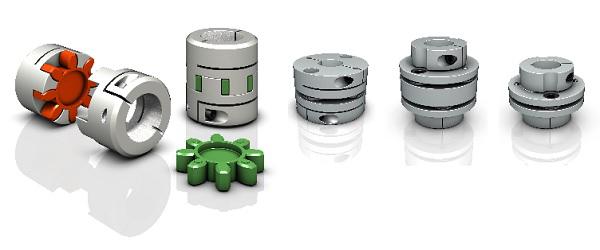
How to Select the Right Shaft Coupling for Specific Torque and Speed Requirements
Selecting the appropriate shaft coupling involves considering the specific torque and speed requirements of the application. Here’s a step-by-step guide to help you choose the right coupling:
1. Determine Torque and Speed:
Identify the torque and speed requirements of the application. Torque is the rotational force required to transmit power between the shafts, usually measured in Nm (Newton-meters) or lb-ft (pound-feet). Speed refers to the rotational speed of the shafts, typically measured in RPM (revolutions per minute).
2. Calculate Torque Capacity:
Check the torque capacity of various shaft couplings. Manufacturers provide torque ratings for each coupling type and size. Ensure that the selected coupling has a torque capacity that exceeds the application’s torque requirements.
3. Consider Misalignment:
If the application involves significant shaft misalignment due to thermal expansion, vibration, or other factors, consider flexible couplings with good misalignment compensation capabilities. Elastomeric or beam couplings are popular choices for such applications.
4. Assess Operating Speed:
For high-speed applications, choose couplings with high rotational speed ratings to avoid resonance issues and potential coupling failure. High-speed couplings may have specialized designs, such as disk or diaphragm couplings.
5. Evaluate Environmental Conditions:
If the coupling will operate in harsh environments with exposure to chemicals, moisture, or extreme temperatures, select couplings made from corrosion-resistant materials or with protective coatings.
6. Check Torsional Stiffness:
In applications requiring precision motion control, consider couplings with high torsional stiffness to minimize torsional backlash and maintain accurate positioning. Bellows or Oldham couplings are examples of couplings with low torsional backlash.
7. Size and Space Constraints:
Ensure that the selected coupling fits within the available space and aligns with the shaft dimensions. Be mindful of any installation limitations, especially in confined spaces or applications with limited radial clearance.
8. Consult Manufacturer’s Data:
Refer to the manufacturer’s catalogs and technical data sheets for detailed information on each coupling’s torque and speed ratings, misalignment capabilities, materials, and other relevant specifications.
9. Consider Cost and Maintenance:
Compare the costs and maintenance requirements of different couplings. While some couplings may have higher upfront costs, they could offer longer service life and reduced maintenance costs in the long run.
By following these steps and considering the specific torque and speed requirements of your application, you can select the right shaft coupling that will ensure efficient power transmission and reliable performance for your mechanical system.
“`
Can Shaft Couplings Handle Reversing Loads and Shock Loads Effectively?
Yes, shaft couplings are designed to handle both reversing loads and shock loads effectively, but the capability depends on the specific type of coupling and its design.
Reversing Loads:
Many shaft couplings, such as elastomeric couplings, gear couplings, and grid couplings, can handle reversing loads without any issue. Reversing loads occur when the direction of the torque changes periodically, causing the shafts to rotate in opposite directions. The flexibility of elastomeric couplings and the sturdy design of gear and grid couplings allow them to accommodate these reversing loads while maintaining reliable torque transmission.
Shock Loads:
Shock loads are sudden and high-magnitude forces that occur during start-up, sudden stops, or impact events. Shaft couplings with shock-absorbing features, such as elastomeric couplings and grid couplings, excel at handling shock loads. The elastomeric material in elastomeric couplings and the grid element in grid couplings act as shock absorbers, reducing the impact on the connected equipment and minimizing the risk of damage to the coupling itself.
It’s essential to select the appropriate coupling type based on the specific application’s requirements, including the magnitude and frequency of reversing loads and shock loads. Some couplings may have limitations on the amount of shock load they can handle, so it’s crucial to refer to the manufacturer’s specifications and guidelines for proper coupling selection.
In heavy-duty applications with high reversing loads and shock loads, it may be necessary to consider specialized couplings designed explicitly for such conditions, like disc couplings or fluid couplings, which can offer even better performance in handling these challenging load conditions.
“`
Advantages of Using Shaft Couplings in Connecting Rotating Shafts
Shaft couplings offer several advantages in connecting rotating shafts in mechanical power transmission systems. These advantages contribute to the efficiency, reliability, and versatility of various industrial applications. Here are the key benefits of using shaft couplings:
1. Misalignment Compensation:
Shaft couplings can accommodate different types of misalignment, including angular, parallel, and axial misalignments. This capability ensures that the connected shafts can continue to operate smoothly even if they are not perfectly aligned, reducing stress on the equipment and minimizing premature wear.
2. Vibration Damping:
Some types of shaft couplings, particularly those with flexible elements, offer vibration damping properties. They can absorb shocks and vibrations caused by uneven loads or sudden changes in operating conditions, improving the overall reliability and lifespan of the connected machinery.
3. Shock Absorption:
Shaft couplings with flexible elements can also absorb and cushion shock loads, protecting the connected components from damage and preventing system failures in high-impact situations.
4. Torque Transmission:
Shaft couplings are designed to transmit torque from one shaft to another efficiently. They ensure that the rotational motion of the driving shaft is effectively transferred to the driven shaft, allowing the equipment to perform its intended function.
5. Overload Protection:
Certain types of shaft couplings, such as shear pin couplings, act as safety devices by providing overload protection. In case of excessive torque or shock loads, the shear pin in the coupling will fail, disconnecting the driving and driven shafts and preventing damage to the equipment.
6. Angular Flexibility:
Shaft couplings with angular flexibility can handle small angular misalignments between the shafts, compensating for shaft deflection or movement due to external forces.
7. Easy Installation and Maintenance:
Shaft couplings are generally easy to install and require minimal maintenance. They are available in various designs, sizes, and materials to suit different applications and operating conditions.
8. Versatility:
Shaft couplings are versatile components used in a wide range of industries and applications. They can be found in machinery for material handling, manufacturing, mining, transportation, and more.
9. Cost-Effectiveness:
Using shaft couplings eliminates the need for rigid connections between shafts, which can be costly and difficult to implement, especially in situations where misalignment is prevalent. Shaft couplings provide a cost-effective solution for efficient power transmission.
Overall, shaft couplings play a crucial role in connecting rotating shafts, ensuring smooth power transmission, protecting equipment from misalignment-related issues, and enhancing the overall performance and reliability of mechanical systems.
“`
editor by CX 2024-02-10
China OEM Custom Steel Material Rigid Shaft Flexible Spring Shaft Coupling Snake Grid Coupling
Product Description
Steel Material Rigid Shaft Flexible Spring Shaft Snake Grid Coupling
Description:
It is a kind of metal elastic variable stiffness coupling with advanced structure ,which transmits torque by serpentine spring plate embedded in the tooth groove of 2 half couplings ,mainly composed of 2 half couplings,two half covers,two sealing rings and serpentine spring plate.
Feature
1.The serpentine spring as the elastic element, the elastic strong at the same time, greatly improves the grid coupling torque, widely used in heavy machinery and general machinery.The serpentine spring special technology department, has long service life, allowing higher speed, has good ability to compensate in the axial, radial and angle
2.High transmission efficiency, start safety. Transmission efficiency of up to 99.47%, short-time overload capacity is 2 times the rated torque, operation safety.
3.Simple structure, convenient assembly and disassembly, long service life.
4.Damping effect is good to avoid the resonance.
Details
Basic Parameter
| Model | Nominal | Speed | Y,Z Bore | L | L2 | D | C | KG | |||
| Torque | r/min | d1,d2 | J | Grease | |||||||
| Nm | Max | Min | KG.M2 | Kg | |||||||
| JS1 | 45 | 4500 | 28 | 18 | 47 | 66 | 95 | 3 | 1.91 | 0.00141 | 0.5712 |
| JS2 | 140 | 35 | 22 | 47 | 68 | 105 | 2.59 | 0.057123 | 0.0408 | ||
| JS3 | 224 | 42 | 25 | 50 | 70 | 115 | 3.36 | 0.00327 | 0.0544 | ||
| JS4 | 400 | 50 | 32 | 60 | 80 | 130 | 5.45 | 0.00727 | 0.068 | ||
| JS5 | 630 | 4350 | 56 | 40 | 63 | 92 | 150 | 7.26 | 0.00119 | 0.0862 | |
| JS6 | 900 | 4125 | 65 | 40 | 76 | 95 | 160 | 10.44 | 0.0185 | 0.113 | |
| JS7 | 1800 | 3600 | 80 | 55 | 89 | 116 | 190 | 17.7 | 0.571 | 0.172 | |
| JS8 | 3150 | 95 | 65 | 98 | 122 | 210 | 25.42 | 0.0787 | 0.254 | ||
| JS9 | 5600 | 2440 | 110 | 75 | 120 | 155 | 250 | 5 | 42.22 | 0.178 | 0.426 |
| JS10 | 8000 | 2250 | 120 | 85 | 127 | 162 | 270 | 54.45 | 0.27 | 0.505 | |
| JS11 | 12500 | 2571 | 140 | 90 | 149 | 192 | 310 | 6 | 81.27 | 0.514 | 0.735 |
| JS12 | 18000 | 1800 | 170 | 110 | 162 | 195 | 346 | 121 | 0.989 | 0.908 | |
| JS13 | 25000 | 1650 | 200 | 120 | 184 | 201 | 384 | 178 | 1.85 | 1.135 | |
| JS14 | 35500 | 1500 | 200 | 140 | 183 | 271 | 450 | 234.26 | 3.49 | 1.952 | |
| JS15 | 50000 | 1350 | 240 | 160 | 198 | 279 | 500 | 316.89 | 5.82 | 2.815 | |
| JS16 | 63000 | 1225 | 280 | 180 | 216 | 304 | 566 | 6 | 448.1 | 10.4 | 3.496 |
| JS17 | 90000 | 1100 | 300 | 200 | 239 | 322 | 630 | 619.71 | 18.3 | 3.76 | |
| JS18 | 125000 | 1050 | 320 | 240 | 260 | 356 | 675 | 776.34 | 26.1 | 4.4 | |
| JS19 | 160000 | 900 | 360 | 280 | 280 | 355 | 756 | 1058.27 | 43.5 | 5.63 | |
| JS20 | 224000 | 820 | 380 | 300 | 305 | 432 | 845 | 13 | 1425.56 | 75.5 | 10.53 |
| JS21 | 315000 | 730 | 420 | 320 | 325 | 490 | 920 | 1786.49 | 113 | 16.07 | |
| JS22 | 400000 | 680 | 450 | 340 | 345 | 546 | 1000 | 2268.64 | 175 | 24.06 | |
| JS23 | 500000 | 630 | 480 | 360 | 368 | 648 | 1087 | 2950.82 | 339 | 33.82 | |
| JS24 | 630000 | 580 | 460 | 400 | 401 | 698 | 1180 | 3936.3 | 524 | 50.17 | |
| JS25 | 800000 | 540 | 500 | 420 | 432 | 762 | 1260 | 4686.19 | 711 | 67.24 | |
Production workshop
/* March 10, 2571 17:59:20 */!function(){function s(e,r){var a,o={};try{e&&e.split(“,”).forEach(function(e,t){e&&(a=e.match(/(.*?):(.*)$/))&&1
How Do Rigid Couplings Compare to Other Types of Couplings in Terms of Performance?
Rigid couplings offer specific advantages and disadvantages compared to other types of couplings, and their performance depends on the requirements of the application:
1. Performance: Rigid couplings provide excellent torque transmission capabilities and are best suited for applications that demand precise and efficient power transfer. They have minimal backlash and high torsional stiffness, resulting in accurate motion control.
2. Misalignment Tolerance: Rigid couplings cannot tolerate misalignment between shafts. They require precise shaft alignment during installation, which can be time-consuming and may result in increased downtime during maintenance or repairs.
3. Vibration Damping: Rigid couplings offer no damping of vibrations, which means they may not be suitable for systems that require vibration isolation or shock absorption.
4. Maintenance: Rigid couplings are generally low maintenance since they have no moving parts or flexible elements that can wear out over time. Once properly installed, they can provide reliable performance for extended periods.
5. Space Requirements: Rigid couplings are compact and do not add much length to the shaft, making them suitable for applications with limited space.
6. Cost: Rigid couplings are usually more economical compared to some advanced and specialized coupling types. Their simpler design and lower manufacturing costs contribute to their affordability.
7. Application: Rigid couplings are commonly used in applications where shafts are precisely aligned and no misalignment compensation is necessary. They are prevalent in precision machinery, robotics, and applications that require accurate motion control.
In contrast, flexible couplings, such as elastomeric, jaw, or beam couplings, are designed to accommodate misalignment, dampen vibrations, and provide some degree of shock absorption. Their performance is ideal for systems where shafts may experience misalignment due to thermal expansion, shaft deflection, or dynamic loads.
In summary, rigid couplings excel in applications that demand precise alignment and high torque transmission, but they may not be suitable for systems that require misalignment compensation or vibration damping.
Can Rigid Couplings Be Used in Applications with Varying Operating Temperatures?
Rigid couplings are versatile mechanical components that can be used in a wide range of applications, including those with varying operating temperatures. However, the selection of the appropriate material for the rigid coupling is crucial to ensure its reliable performance under different temperature conditions.
Material Selection: The choice of material for the rigid coupling depends on the specific operating temperature range of the application. Common materials used in manufacturing rigid couplings include steel, stainless steel, and aluminum, among others. Each material has its own temperature limitations:
– Steel: Rigid couplings made from steel are suitable for applications with moderate to high temperatures. Steel couplings can handle temperatures ranging from -40°C to around 300°C, depending on the specific grade of steel used.
– Stainless Steel: Stainless steel rigid couplings offer higher corrosion resistance and can be used in applications with more demanding temperature environments. They can withstand temperatures from -80°C to approximately 400°C.
– Aluminum: Aluminum rigid couplings are commonly used in applications with lower temperature requirements, typically ranging from -50°C to around 120°C.
Thermal Expansion: When selecting a rigid coupling for an application with varying temperatures, it is essential to consider thermal expansion. Different materials have different coefficients of thermal expansion, meaning they expand and contract at different rates as the temperature changes. If the operating temperature fluctuates significantly, the thermal expansion of the rigid coupling and the connected components must be carefully accounted for to avoid issues with misalignment or binding.
Extreme Temperature Environments: For applications with extremely high or low temperatures beyond the capabilities of traditional materials, specialized high-temperature alloys or composites may be required. These materials can withstand more extreme temperature conditions but may come with higher costs.
Lubrication: The choice of lubrication can also play a role in the suitability of rigid couplings for varying temperature applications. In high-temperature environments, consideration should be given to using high-temperature lubricants that can maintain their effectiveness and viscosity at elevated temperatures.
In conclusion, rigid couplings can indeed be used in applications with varying operating temperatures, but careful material selection, consideration of thermal expansion, and appropriate lubrication are essential to ensure reliable and efficient performance under changing temperature conditions.
Advantages of Using Rigid Couplings in Mechanical Systems:
Rigid couplings offer several advantages when used in mechanical systems. These advantages make them a preferred choice in certain applications where precise alignment and high torque transmission are essential. Here are the key advantages of using rigid couplings:
- 1. High Torque Transmission: Rigid couplings are designed to handle high torque and power transmission without any loss due to flexibility. They provide a direct and solid connection between shafts, allowing for efficient transfer of rotational motion.
- 2. Precise Alignment: Rigid couplings maintain precise alignment between connected shafts. When installed correctly, they ensure that the two shafts are perfectly aligned, which is crucial for applications where accurate positioning and synchronization are required.
- 3. Synchronous Rotation: The rigid connection provided by these couplings enables synchronous rotation of the connected shafts. This is particularly important in applications where components must move in precise coordination with each other.
- 4. Simple Design: Rigid couplings have a straightforward design with minimal moving parts. This simplicity makes them easy to install and maintain, reducing the chances of mechanical failure.
- 5. Cost-Effective: Compared to some other coupling types, rigid couplings are generally more cost-effective. Their simple design and robust construction contribute to their affordability.
- 6. High Strength and Durability: Rigid couplings are typically made from strong and durable materials such as steel, stainless steel, or aluminum. These materials can withstand heavy loads and provide long-lasting performance in demanding applications.
Rigid couplings are commonly used in various industries and applications, including high-precision machinery, robotics, automation systems, precision motion control, and machine tools. They are especially beneficial in scenarios where misalignment needs to be minimized or avoided altogether.
It’s important to note that while rigid couplings offer these advantages, they are not suitable for applications where shaft misalignment or shock absorption is required. In such cases, flexible couplings or other specialized coupling types may be more appropriate.
editor by CX 2024-02-04
China Professional Custom Made PU Flexible Spider Jaw Shaft Coupling
Product Description
Product description
|
Material |
Materials for silicon,fluorine,NBR,FPM,EPDM,SILCONE ACM,HNBR |
| Inspection Equipments | Excellent chemical and physical property, excellent oil- resistance, high temperature stability, etc. |
| Tolerance | +/-0.05mm |
| Drawing Format | PDF/DWG/DXF/IGS/STEP,etc |
| Application field | Parts are used on vehicles, printing machines, food processing machines, textile machines, electronic machines, etc. |
| Manufacturing process | CNC machining Broaching, Drilling, Milling, Other Machining Services, Rapid Prototyping, Turning, |
| Shape | As per your drawing Or your sample |
| Color service | Customization |
| QC inspection |
Make sure 100% inspection before the delivery |
| Advantages | Maintenance,acturally HRC coupling doesn’t need maintenance. |
| Environmental, elastic components make HRC coupling applies to a variety of working conditions. | |
|
Reliable transmission, in case of elastic component is damaged, the dog segment wichcasted siamesedly still keep the transmission processing reliably. |
|
|
Economic, HRC couplings have already been made of optimization design,which make transmission power match the transmission shaft diameter. |
|
| Good recovery capacity, elastic components can reduce the load at the CHINAMFG moments, and the deviation is a major consideration when designing. | |
|
Adaptability of misalignment, HRC can coupling contains parallel shift, angle shift and axis shift which happen some times. |
Application and analysis
Our warehouse
Custom rubber parts
Custom plastic parts
Packing & Delivery
Packaging Details: plastic bag packing inside, carton packing outside, or customized packing.
Port:Xihu (West Lake) Dis.g port, ZheJiang city.
Lead Time :
| Quantity(Pieces) | 1 – 1000 | 1001 – 10000 | 10001 – 50000 | >50000 |
| Est. Time(days) | 5 | 12 | 18 | To be negotiated |
Place order steps
Our Services:
1. Convenient: 24th Hours sales/After-sales Service online or on the phone.
2. Quality Assurance: We will discuss with you and supply you the best quality comfortable to your market.
3. Quick delivery: Time is money, we promise we always will deliver the goods quicker than others.
4. According to customers’ drawing,customized specifications are welcomed.
5. Small orders can be accepted.
Packing
Company Profile
SHEN ZHOU CHINAMFG RUBBER & PLASTIC CO.,LTD was founded in 2000. The factory located in industrial zone of HangZhou city, ZheJiang province, china.
We have Plastic injection molding workshop and rubber compression molding workshops.Our main products includes Bakelit Knobs,Pull Handle,rubber door stops, door guard, roller, rubber bumpers, Rubber grommets, vibration dampers, seals, plastic corner, injection plastic brackets, injection plastic shell.to undertake various kinds of rubber molding and plastic injection parts, customize according to drawing and samples.
The products have been exported to America, Europe, Oceania, Middle East, Southeast Asia and other regions and countries, and hope to build more business Cooperation with new client from all over the world.
FAQ
Q1: Are you a manufacturer or a trading company?
A1: We are the original manufacturer of custom rubber parts and custom plastic parts.
Q2: Where is your company located?
A2: Our company is located in HangZhou City, ZheJiang Province, China.
Q3: Could I get free samples?
A3: We could provide small samples for free, but air freight or sea freight should be borne by customer side.
Q4: What should I provide in order to get an offer?
A4: Customers are required to provide material, inner diameter, outer diameter, cross section distance and quantity.
Q5: How is the goods packed by your factory?
A5: The goods are normally packed by plastic bags, carton boxes with pallets or wooden boxes.
Q6: What are the incoterms applied?
A6: The incoterms applied are FOB, CIF and CFR.
Q7: What are the payment terms accepted?
A7: We accept Alibaba Trade Assurance, T/T, L/C and West Union.
Q8: What about the delivery time?
A8: The goods are normally dellivered to customer side within 7-30 days based CHINAMFG the mode of transport required.
/* March 10, 2571 17:59:20 */!function(){function s(e,r){var a,o={};try{e&&e.split(“,”).forEach(function(e,t){e&&(a=e.match(/(.*?):(.*)$/))&&1
Specific Safety Precautions When Working with Shaft Couplings
Working with shaft couplings involves handling rotating machinery and mechanical components. To ensure the safety of personnel and prevent accidents, specific safety precautions should be followed during installation, maintenance, and operation:
1. Lockout-Tagout (LOTO):
Prior to any work on machinery involving couplings, implement a lockout-tagout procedure to isolate the equipment from its power source. This ensures that the machinery cannot be accidentally energized during maintenance or repair, protecting workers from potential hazards.
2. Personal Protective Equipment (PPE):
Always wear appropriate personal protective equipment (PPE), including safety goggles, gloves, and appropriate clothing, when working with shaft couplings. PPE helps protect against potential hazards such as flying debris, sharp edges, or contact with moving parts.
3. Proper Training and Supervision:
Only trained and authorized personnel should work with shaft couplings. Ensure that workers have the necessary knowledge and experience to handle the equipment safely. Adequate supervision may be required, especially for less-experienced personnel.
4. Inspection and Maintenance:
Regularly inspect shaft couplings and associated components for signs of wear, damage, or misalignment. Address any issues promptly to prevent equipment failure and potential accidents.
5. Follow Manufacturer’s Guidelines:
Adhere to the manufacturer’s instructions and guidelines for installation, operation, and maintenance of the specific coupling model. Improper use or deviation from recommended procedures may compromise safety and void warranties.
6. Avoid Overloading:
Do not exceed the torque and speed limits specified by the coupling manufacturer. Overloading a coupling can lead to premature failure and pose safety risks to operators and nearby equipment.
7. Shaft Guards and Enclosures:
Install appropriate guards and enclosures to prevent accidental contact with rotating shafts and couplings. These safety measures help reduce the risk of entanglement and injuries.
8. Zero Energy State:
Ensure that all stored energy in the equipment, such as compressed air or hydraulic pressure, is released and the equipment is in a zero energy state before starting work.
9. Avoid Loose Clothing and Jewelry:
Remove or secure loose clothing, jewelry, and other items that could get caught in moving parts.
10. Maintain a Clean Work Area:
Keep the work area clean and free from clutter to avoid tripping hazards and facilitate safe movement around the machinery.
By following these safety precautions, personnel can minimize the risks associated with working with shaft couplings and create a safer working environment for everyone involved.
“`
How to Identify Signs of Wear or Failure in a Shaft Coupling
Regular inspection and monitoring are essential to identify signs of wear or potential failure in a shaft coupling. Detecting issues early can help prevent costly downtime and equipment damage. Here are common signs to look for:
1. Visible Damage:
Inspect the coupling for visible signs of damage, such as cracks, chips, or deformation. These can indicate mechanical stress or overload.
2. Abnormal Noise or Vibration:
Unusual noise or excessive vibration during operation may indicate misalignment, worn-out components, or a coupling nearing its failure point.
3. Increased Temperature:
If the coupling becomes noticeably hotter during operation than usual, it could be a sign of friction or misalignment issues.
4. Shaft Misalignment:
Check for misalignment between the shafts connected by the coupling. Misalignment can lead to increased stress on the coupling and its components.
5. Excessive Backlash:
If the coupling exhibits too much free play or rotational play before torque transmission, it might indicate wear or fatigue in the coupling’s components.
6. Lubrication Issues:
Inspect the coupling for lubrication leaks or insufficient lubrication, which can lead to increased friction and wear.
7. Elastomeric Element Deterioration:
If the coupling uses elastomeric elements (e.g., rubber or polyurethane), check for signs of deterioration, such as cracking, softening, or deformation.
8. Bolts and Fasteners:
Examine the bolts and fasteners connecting the coupling components. Loose or damaged bolts can lead to misalignment and coupling failure.
9. Age and Service Life:
Consider the age and service life of the coupling. If it has been in use for a long time or exceeds the manufacturer’s recommended service life, it may be more susceptible to wear and failure.
10. Abnormal Performance:
Monitor the overall performance of the connected equipment. Any abnormal behavior, such as reduced power transmission or erratic operation, could be indicative of coupling issues.
If any of these signs are observed, it’s crucial to take immediate action. Depending on the severity of the issue, this may involve replacing worn components, realigning the shafts, or replacing the entire coupling. Regular maintenance and periodic inspections are key to identifying these signs early and ensuring the coupling operates optimally and safely.
“`
Best Practices for Installing a Shaft Coupling for Optimal Performance
Proper installation of a shaft coupling is crucial for ensuring optimal performance and preventing premature wear or failure. Follow these best practices to install a shaft coupling correctly:
1. Shaft Alignment:
Ensure that both the driving and driven shafts are properly aligned before installing the coupling. Misalignment can lead to increased stress on the coupling and other connected components, reducing efficiency and causing premature wear. Use alignment tools, such as dial indicators or laser alignment systems, to achieve accurate shaft alignment.
2. Cleanliness:
Before installation, clean the shaft ends and the coupling bore thoroughly. Remove any dirt, debris, or residue that could interfere with the coupling’s fit or cause misalignment.
3. Lubrication:
Apply the recommended lubricant to the coupling’s contact surfaces, such as the bore and shaft ends. Proper lubrication ensures smooth installation and reduces friction during operation.
4. Correct Fit:
Ensure that the coupling is the correct size and type for the application. Use couplings with the appropriate torque and speed ratings to match the equipment’s requirements.
5. Fastening:
Use the recommended fastening methods, such as set screws or keyways, to securely attach the coupling to the shafts. Make sure the fasteners are tightened to the manufacturer’s specifications to prevent loosening during operation.
6. Spacer or Adapter:
If required, use a spacer or adapter to properly position the coupling on the shafts and maintain the desired distance between the driving and driven components.
7. Avoid Shaft Damage:
Be careful during installation to avoid damaging the shaft ends, especially when using set screws or other fastening methods. Shaft damage can lead to stress concentrations and eventual failure.
8. Check Runout:
After installation, check the coupling’s runout using a dial indicator to ensure that it rotates smoothly and without wobbling. Excessive runout can indicate misalignment or improper fit.
9. Periodic Inspection:
Regularly inspect the coupling and its components for signs of wear, misalignment, or damage. Perform routine maintenance as recommended by the manufacturer to prevent issues from worsening over time.
10. Follow Manufacturer’s Guidelines:
Always follow the manufacturer’s installation instructions and guidelines. Different types of couplings may have specific installation requirements that need to be adhered to for optimal performance and safety.
By following these best practices, you can ensure that your shaft coupling is installed correctly, maximizing its efficiency and reliability in your mechanical power transmission system.
“`
editor by CX 2024-01-16
China factory Custom Steel Material Rigid Shaft Flexible Spring Shaft Snake Grid Coupling
Product Description
Steel Material Rigid Shaft Flexible Spring Shaft Snake Grid Coupling
Description:
It is a kind of metal elastic variable stiffness coupling with advanced structure ,which transmits torque by serpentine spring plate embedded in the tooth groove of 2 half couplings ,mainly composed of 2 half couplings,two half covers,two sealing rings and serpentine spring plate.
Feature
1.The serpentine spring as the elastic element, the elastic strong at the same time, greatly improves the grid coupling torque, widely used in heavy machinery and general machinery.The serpentine spring special technology department, has long service life, allowing higher speed, has good ability to compensate in the axial, radial and angle
2.High transmission efficiency, start safety. Transmission efficiency of up to 99.47%, short-time overload capacity is 2 times the rated torque, operation safety.
3.Simple structure, convenient assembly and disassembly, long service life.
4.Damping effect is good to avoid the resonance.
Details
Basic Parameter
| Model | Nominal | Speed | Y,Z Bore | L | L2 | D | C | KG | |||
| Torque | r/min | d1,d2 | J | Grease | |||||||
| Nm | Max | Min | KG.M2 | Kg | |||||||
| JS1 | 45 | 4500 | 28 | 18 | 47 | 66 | 95 | 3 | 1.91 | 0.00141 | 0.5712 |
| JS2 | 140 | 35 | 22 | 47 | 68 | 105 | 2.59 | 0.057123 | 0.0408 | ||
| JS3 | 224 | 42 | 25 | 50 | 70 | 115 | 3.36 | 0.00327 | 0.0544 | ||
| JS4 | 400 | 50 | 32 | 60 | 80 | 130 | 5.45 | 0.00727 | 0.068 | ||
| JS5 | 630 | 4350 | 56 | 40 | 63 | 92 | 150 | 7.26 | 0.00119 | 0.0862 | |
| JS6 | 900 | 4125 | 65 | 40 | 76 | 95 | 160 | 10.44 | 0.0185 | 0.113 | |
| JS7 | 1800 | 3600 | 80 | 55 | 89 | 116 | 190 | 17.7 | 0.571 | 0.172 | |
| JS8 | 3150 | 95 | 65 | 98 | 122 | 210 | 25.42 | 0.0787 | 0.254 | ||
| JS9 | 5600 | 2440 | 110 | 75 | 120 | 155 | 250 | 5 | 42.22 | 0.178 | 0.426 |
| JS10 | 8000 | 2250 | 120 | 85 | 127 | 162 | 270 | 54.45 | 0.27 | 0.505 | |
| JS11 | 12500 | 2571 | 140 | 90 | 149 | 192 | 310 | 6 | 81.27 | 0.514 | 0.735 |
| JS12 | 18000 | 1800 | 170 | 110 | 162 | 195 | 346 | 121 | 0.989 | 0.908 | |
| JS13 | 25000 | 1650 | 200 | 120 | 184 | 201 | 384 | 178 | 1.85 | 1.135 | |
| JS14 | 35500 | 1500 | 200 | 140 | 183 | 271 | 450 | 234.26 | 3.49 | 1.952 | |
| JS15 | 50000 | 1350 | 240 | 160 | 198 | 279 | 500 | 316.89 | 5.82 | 2.815 | |
| JS16 | 63000 | 1225 | 280 | 180 | 216 | 304 | 566 | 6 | 448.1 | 10.4 | 3.496 |
| JS17 | 90000 | 1100 | 300 | 200 | 239 | 322 | 630 | 619.71 | 18.3 | 3.76 | |
| JS18 | 125000 | 1050 | 320 | 240 | 260 | 356 | 675 | 776.34 | 26.1 | 4.4 | |
| JS19 | 160000 | 900 | 360 | 280 | 280 | 355 | 756 | 1058.27 | 43.5 | 5.63 | |
| JS20 | 224000 | 820 | 380 | 300 | 305 | 432 | 845 | 13 | 1425.56 | 75.5 | 10.53 |
| JS21 | 315000 | 730 | 420 | 320 | 325 | 490 | 920 | 1786.49 | 113 | 16.07 | |
| JS22 | 400000 | 680 | 450 | 340 | 345 | 546 | 1000 | 2268.64 | 175 | 24.06 | |
| JS23 | 500000 | 630 | 480 | 360 | 368 | 648 | 1087 | 2950.82 | 339 | 33.82 | |
| JS24 | 630000 | 580 | 460 | 400 | 401 | 698 | 1180 | 3936.3 | 524 | 50.17 | |
| JS25 | 800000 | 540 | 500 | 420 | 432 | 762 | 1260 | 4686.19 | 711 | 67.24 | |
Production workshop
What are the potential drawbacks or limitations of using rigid shaft couplings in certain applications?
Rigid shaft couplings, while offering benefits in certain scenarios, also have limitations that should be considered when selecting them for specific applications:
- Minimal Misalignment Compensation: Rigid couplings have limited ability to compensate for shaft misalignment, making them less suitable for applications with significant misalignment.
- Transmits Vibrations: Rigid couplings do not dampen vibrations, which can lead to increased wear and fatigue in connected components and decrease overall system lifespan.
- Higher Stress Concentration: Due to their rigid nature, these couplings can result in higher stress concentrations at the coupling ends, potentially leading to premature failure.
- Noisy Operation: Rigid couplings can amplify noise generated by connected equipment, contributing to a noisier operating environment.
- Requires Precise Alignment: Proper alignment during installation is crucial to prevent excessive loads on equipment and ensure reliable operation.
- Less Torsional Damping: Rigid couplings lack the torsional damping capabilities of some other coupling types, which may be necessary in systems with varying loads.
- Less Forgiving: Rigid couplings can transmit shocks and impacts directly to connected equipment, which may not be suitable for applications with frequent starts, stops, or heavy loads.
It’s important to carefully assess the specific requirements of an application and consider factors such as misalignment, vibration, torque transmission, and environmental conditions when deciding whether to use a rigid shaft coupling. In cases where the limitations of rigid couplings may pose challenges, other coupling types such as flexible, torsionally soft, or damping couplings could be more appropriate alternatives.
How do rigid shaft couplings contribute to the overall efficiency of rotating machinery?
Rigid shaft couplings play a crucial role in enhancing the overall efficiency and performance of rotating machinery by ensuring precise torque transmission, accurate shaft alignment, and reduced power losses. Their contribution to efficiency can be understood through the following points:
- Accurate Torque Transmission: Rigid couplings provide a direct and efficient connection between two shafts, allowing torque to be transmitted without significant losses. Unlike flexible couplings that can absorb some energy through flexibility, rigid couplings minimize energy dissipation, leading to efficient power transfer.
- Minimized Misalignment: Proper alignment of shafts is essential for efficient operation. Rigid couplings maintain accurate shaft alignment, reducing friction, wear, and energy losses that can occur due to misaligned shafts.
- Reduced Vibrations: By preventing misalignment and maintaining shaft stability, rigid couplings help minimize vibrations. Reduced vibrations lead to smoother operation, less wear and tear, and a decrease in energy losses associated with friction and oscillations.
- Consistent Performance: Rigid couplings ensure consistent and reliable torque transmission throughout the machinery’s operation. This stability helps maintain optimal operating conditions and prevents sudden disruptions or fluctuations in performance.
- Enhanced System Integrity: A stable and secure connection between shafts provided by rigid couplings reduces the risk of equipment failures and breakdowns. This enhances the machinery’s overall reliability and uptime, contributing to improved efficiency.
- Minimized Power Losses: With their rigid construction, these couplings have minimal flexibility, reducing power losses associated with elastic deformation. As a result, more of the input power is effectively utilized for productive work.
- Reduced Maintenance Needs: Rigid couplings, when properly installed and maintained, experience fewer wear-related issues compared to flexible couplings. This translates to reduced downtime and maintenance requirements, further enhancing machinery efficiency.
Efficient rotating machinery is critical for various industries, as it leads to cost savings, improved productivity, and extended equipment lifespan. Rigid shaft couplings contribute significantly to achieving these goals by ensuring reliable torque transmission, stable operation, and minimized energy losses.
It’s important to note that while rigid couplings offer advantages in terms of efficiency, they might not be suitable for applications requiring flexibility to accommodate misalignment or shock absorption. Engineers should carefully consider the specific requirements of their machinery and select couplings that best align with the desired balance of efficiency, flexibility, and other operational needs.
What are the Materials Commonly Used to Manufacture Rigid Shaft Couplings, and How Do They Impact Performance?
Rigid shaft couplings are typically made from a variety of materials, and the choice of material can significantly impact the performance of the coupling in specific applications. Some common materials used in manufacturing rigid shaft couplings include:
- Steel: Steel is one of the most commonly used materials for rigid shaft couplings. It offers excellent strength and durability, making it suitable for high-torque and heavy-duty applications. Steel couplings can withstand significant stresses and provide reliable torque transmission.
- Stainless Steel: Stainless steel couplings offer the same benefits as regular steel couplings but with the added advantage of corrosion resistance. They are commonly used in applications where the coupling may be exposed to harsh environments or moisture.
- Aluminum: Aluminum couplings are lightweight and have good corrosion resistance. They are often used in applications where weight reduction is essential, such as in aerospace and automotive industries.
- Brass: Brass couplings are known for their excellent machinability and corrosion resistance. They are commonly used in applications where electrical conductivity is required.
- Cast Iron: Cast iron couplings are robust and offer good resistance to wear and tear. They are commonly used in industrial machinery and equipment.
The choice of material depends on various factors, including the application’s operating conditions, such as torque requirements, temperature, and environmental conditions. For example, in high-torque applications, steel or stainless steel couplings are often preferred due to their high strength. On the other hand, aluminum couplings are favored in applications where weight reduction is critical.
It is essential to consider the specific needs of the application and the coupling’s material properties to ensure optimal performance, longevity, and reliability of the rigid shaft coupling.
editor by CX 2023-12-13
in Amritsar India sales price shop near me near me shop factory supplier Power Take off Pto Drive Shaft Driveline Cardan Adapter Tractor Drive Pto Spline Universal Joint Flexible Transmission Water Pump Involute Spline Tube Shaft manufacturer best Cost Custom Cheap wholesaler

we have obtained the have confidence in of consumers worldwide. Our major goods are Needle Roller bearings, Cylindrical Roller Bearings, Rod conclude Bearings, Spherical plain bearings, Observe roller Bearings for Guideway, Roller Bearings, Mix Bearings for forklifts, Water Pump Bearings, SNR Vehicle Bearings and all types of Spherical Bearings. Wonderful interest has been compensated on environmental defense and vitality preserving.
EPTT just take off PTO EPT shaft EPTline cardan adapter tractor EPT pto spline EPT joint fleXiHu (West EPT) Dis.ble EPTT h2o pump involute spline tube shaft