Product Description
Flexible flex Fluid Chain Jaw flange Gear Rigid Spacer PIN HRC MH NM universal Fenaflex Oldham spline clamp tyre grid hydraulic servo motor shaft Coupling
Product Description
The function of Shaft coupling:
1. Shafts for connecting separately manufactured units such as motors and generators.
2. If any axis is misaligned.
3. Provides mechanical flexibility.
4. Absorb the transmission of impact load.
5. Prevent overload
We can provide the following couplings.
| Rigid coupling | Flange coupling | Oldham coupling |
| Sleeve or muff coupling | Gear coupling | Bellow coupling |
| Split muff coupling | Flexible coupling | Fluid coupling |
| Clamp or split-muff or compression coupling | Universal coupling | Variable speed coupling |
| Bushed pin-type coupling | Diaphragm coupling | Constant speed coupling |
Company Profile
We are an industrial company specializing in the production of couplings. It has 3 branches: steel casting, forging, and heat treatment. Main products: cross shaft universal coupling, drum gear coupling, non-metallic elastic element coupling, rigid coupling, etc.
The company mainly produces the industry standard JB3241-91 swap JB5513-91 swc. JB3242-93 swz series universal coupling with spider type. It can also design and produce various non-standard universal couplings, other couplings, and mechanical products for users according to special requirements. Currently, the products are mainly sold to major steel companies at home and abroad, the metallurgical steel rolling industry, and leading engine manufacturers, with an annual production capacity of more than 7000 sets.
The company’s quality policy is “quality for survival, variety for development.” In August 2000, the national quality system certification authority audited that its quality assurance system met the requirements of GB/T19002-1994 IDT ISO9002:1994 and obtained the quality system certification certificate with the registration number 0900B5711. It is the first enterprise in the coupling production industry in HangZhou City that passed the ISO9002 quality and constitution certification.
The company pursues the business purpose of “reliable quality, the supremacy of reputation, commitment to business and customer satisfaction” and welcomes customers at home and abroad to choose our products.
At the same time, the company has established long-term cooperative relations with many enterprises and warmly welcomes friends from all walks of life to visit, investigate and negotiate business!
How to use the coupling safely
The coupling is an intermediate connecting part of each motion mechanism, which directly impacts the regular operation of each motion mechanism. Therefore, attention must be paid to:
1. The coupling is not allowed to have more than the specified axis deflection and radial displacement so as not to affect its transmission performance.
2. The bolts of the LINS coupling shall not be loose or damaged.
3. Gear coupling and cross slide coupling shall be lubricated regularly, and lubricating grease shall be added every 2-3 months to avoid severe wear of gear teeth and serious consequences.
4. The tooth width contact length of gear coupling shall not be less than 70%; Its axial displacement shall not be more significant than 5mm
5. The coupling is not allowed to have cracks. If there are cracks, it needs to be replaced (they can be knocked with a small hammer and judged according to the sound).
6. The keys of LINS coupling shall be closely matched and shall not be loosened.
7. The tooth thickness of the gear coupling is worn. When the lifting mechanism exceeds 15% of the original tooth thickness, the operating mechanism exceeds 25%, and the broken tooth is also scrapped.
8. If the elastic ring of the pin coupling and the sealing ring of the gear coupling is damaged or aged, they should be replaced in time.
Certifications
Packaging & Shipping
/* March 10, 2571 17:59:20 */!function(){function s(e,r){var a,o={};try{e&&e.split(“,”).forEach(function(e,t){e&&(a=e.match(/(.*?):(.*)$/))&&1
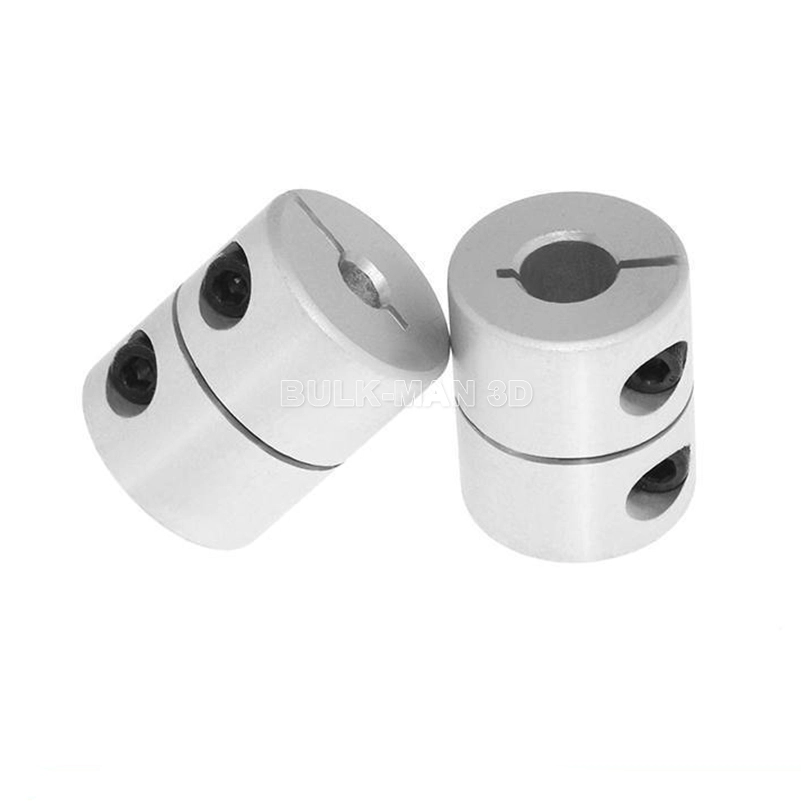
Are There Any Safety Considerations When Using Rigid Couplings in Rotating Machinery?
Yes, there are several safety considerations to keep in mind when using rigid couplings in rotating machinery. While rigid couplings offer various advantages, their use in certain applications requires careful attention to safety measures to prevent accidents and equipment damage. Here are some important safety considerations:
– Secure Installation: Proper installation of rigid couplings is crucial to ensure safety. The coupling must be securely mounted and aligned with the shafts to prevent any slippage or disengagement during operation. Use of appropriate mounting hardware, such as high-strength bolts, is essential to maintain the coupling’s integrity under high-speed and high-torque conditions.
– Shaft Alignment: Accurate shaft alignment is necessary to avoid excessive forces and stress on the connected machinery. Misaligned shafts can lead to uneven loading and increased wear on bearings and other components. Regularly inspect and maintain the shaft alignment to prevent premature failures.
– Preventing Over-Torquing: Applying excessive torque during the installation of rigid couplings can lead to equipment damage and compromise safety. Follow the manufacturer’s torque specifications and use torque-limiting tools to prevent over-torquing and potential failures.
– Protective Guards: In some applications, rotating machinery with rigid couplings may pose a safety hazard to personnel working nearby. Install appropriate protective guards and covers to prevent accidental contact with rotating shafts, minimizing the risk of injury.
– Regular Maintenance: Implement a routine maintenance schedule to inspect the rigid couplings and associated equipment. Check for signs of wear, fatigue, or cracks. Address any issues promptly to avoid potential catastrophic failures.
– Operational Speed Limits: Be aware of the operational speed limits specified by the manufacturer for the rigid couplings. Exceeding these limits can result in significant stress and fatigue on the coupling, leading to failure.
– Appropriate Coupling Selection: Choose the appropriate type and size of rigid coupling for the specific application. Using an undersized coupling can lead to excessive loads and potential failure, while an oversized coupling may not efficiently transmit torque.
– Temperature Considerations: Rigid couplings can experience temperature variations during operation. Ensure that the material and design of the coupling are suitable for the anticipated temperature range of the application to maintain safety and performance.
– Training and Awareness: Provide proper training to personnel working with rotating machinery equipped with rigid couplings. Ensure they are aware of safety procedures and potential hazards associated with the equipment.
Adhering to these safety considerations will help ensure the safe and reliable operation of rotating machinery equipped with rigid couplings. Regular maintenance, correct installation, and diligent attention to safety guidelines will minimize risks and contribute to a safe working environment.
Factors to Consider When Choosing a Rigid Coupling for a Specific System
Choosing the right rigid coupling for a specific system is crucial to ensure proper functionality and reliable performance. Several factors should be considered when making this decision:
1. Shaft Size and Compatibility: The most fundamental factor is ensuring that the rigid coupling is compatible with the shaft sizes of the connected components. The coupling should have the appropriate bore size and keyway dimensions to fit securely onto the shafts.
2. Operating Torque: Consider the torque requirements of the application. The rigid coupling should have a torque rating that exceeds the maximum torque expected during operation to prevent failures and ensure safety.
3. Speed: Determine the rotational speed (RPM) of the connected shafts. Rigid couplings have maximum RPM limits, and the selected coupling should be capable of handling the system’s operating speed.
4. Misalignment Tolerance: Assess the potential misalignment between the shafts. Rigid couplings provide no flexibility, so the system must have minimal misalignment to prevent excessive forces on the components.
5. Temperature and Environment: Consider the operating temperature range and the environment where the coupling will be used. Ensure the chosen material can withstand the temperature and any corrosive or harsh conditions present.
6. Space Limitations: Evaluate the available space for the coupling. Rigid couplings have a compact design, but ensure that there is enough clearance for installation and maintenance.
7. Backlash and Torsional Stiffness: In some precision systems, backlash must be minimized to maintain accurate positioning. Additionally, the torsional stiffness of the coupling can impact system response and stability.
8. Keyway or Keyless Design: Decide between a coupling with a keyway or a keyless design based on the specific application requirements and ease of installation.
9. Material Selection: Consider the material properties of the rigid coupling. Common materials include steel, stainless steel, and aluminum, each with its own advantages and limitations.
10. Maintenance: Determine the maintenance requirements of the coupling. Some couplings may need periodic lubrication or inspections, while others may be maintenance-free.
11. Cost: While cost should not be the sole consideration, it is essential to evaluate the cost-effectiveness of the coupling, taking into account its performance and longevity.
By carefully considering these factors, you can select the most suitable rigid coupling for your specific system, ensuring optimal performance, and longevity of your mechanical setup.
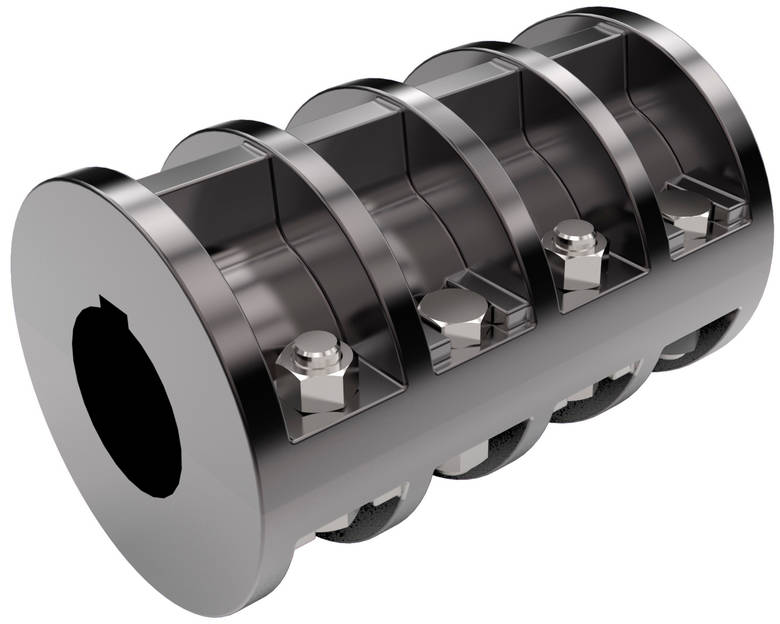
Materials Used in Manufacturing Rigid Couplings:
Rigid couplings are designed to provide a strong and durable connection between two shafts, and they are commonly made from a variety of materials to suit different applications. The choice of material depends on factors such as the application’s environment, load capacity, and cost considerations. Some common materials used in manufacturing rigid couplings include:
- 1. Steel: Steel is one of the most widely used materials for rigid couplings. It offers excellent strength, durability, and resistance to wear. Steel couplings are suitable for a wide range of applications, including industrial machinery, automotive systems, and power transmission.
- 2. Stainless Steel: Stainless steel couplings are used in applications where corrosion resistance is crucial. They are well-suited for environments with high humidity, moisture, or exposure to chemicals. Stainless steel couplings are commonly used in food processing, pharmaceuticals, marine, and outdoor applications.
- 3. Aluminum: Aluminum couplings are known for their lightweight and corrosion-resistant properties. They are often used in applications where weight reduction is essential, such as aerospace and automotive industries.
- 4. Brass: Brass couplings offer good corrosion resistance and are commonly used in plumbing and water-related applications.
- 5. Cast Iron: Cast iron couplings provide high strength and durability, making them suitable for heavy-duty industrial applications and machinery.
- 6. Bronze: Bronze couplings are known for their excellent wear resistance and are often used in applications involving heavy loads and low speeds.
- 7. Plastics: Some rigid couplings are made from various plastics, such as nylon or Delrin. Plastic couplings are lightweight, non-conductive, and suitable for applications where electrical insulation is required.
It’s essential to consider the specific requirements of the application, including factors like load capacity, operating environment, and cost, when choosing the appropriate material for a rigid coupling. The right material selection ensures that the coupling can withstand the forces and conditions it will encounter, resulting in a reliable and long-lasting connection between the shafts.


editor by CX 2024-02-23
China wholesaler Sprocket Roller Chain Coupling Rigid Shaft Coupling Kc8018 Kc8020 Kc8022
Product Description
Product Description
We are offering a wide range of Chain Coupling to our respected clients. Our offered products are used to join 2 pieces of rotating equipment while permitting the various degree of misalignment or end movement or both. Moreover, by careful installation and maintenance of couplings, substantial savings can be made in reduced downtime and maintenance costs.
Packaging & Shipping
Company Profile
FAQ
/* March 10, 2571 17:59:20 */!function(){function s(e,r){var a,o={};try{e&&e.split(“,”).forEach(function(e,t){e&&(a=e.match(/(.*?):(.*)$/))&&1
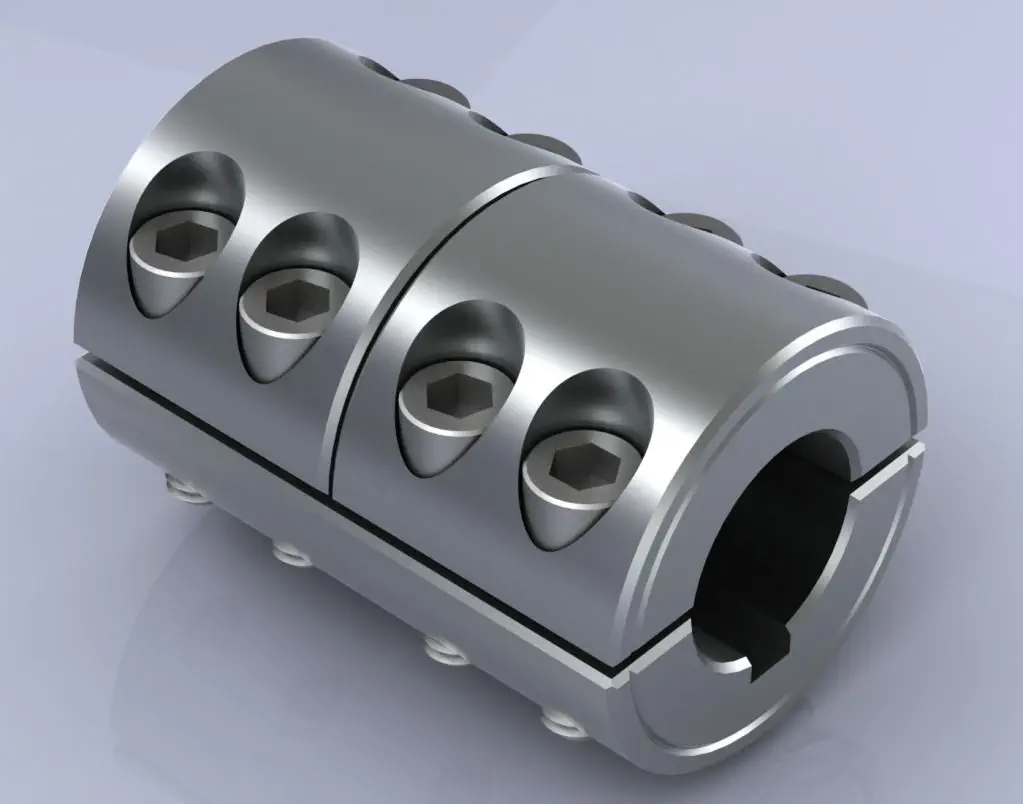
What Are the Maintenance Requirements for Rigid Couplings?
Rigid couplings are known for their simplicity and low maintenance requirements. Since they do not have moving parts or flexible elements, there are minimal wear and tear issues. However, some maintenance considerations for rigid couplings include:
1. Regular Inspection: It is essential to perform periodic inspections of the rigid couplings to check for any signs of wear, damage, or misalignment. Regular inspections can help identify potential issues early and prevent further problems.
2. Shaft Alignment: Proper shaft alignment is critical for rigid couplings. During installation or whenever maintenance work is performed on the connected machinery, the shaft alignment must be checked and adjusted if necessary. Misalignment can lead to premature coupling failure and cause additional stress on connected equipment.
3. Lubrication: Most rigid couplings do not require lubrication since they have no moving parts. However, some special designs or large-sized couplings may have set screws or other fasteners that require lubrication. It is essential to follow the manufacturer’s guidelines regarding lubrication, if applicable.
4. Corrosion Protection: In corrosive environments, protecting the rigid couplings from corrosion is crucial. This can be achieved through the use of corrosion-resistant materials or coatings.
5. Periodic Re-tightening: If the rigid coupling uses set screws or other fasteners, periodic re-tightening may be necessary to maintain the integrity of the connection. This is particularly important in applications with high vibrations or heavy loads.
6. Temperature Considerations: Rigid couplings may experience thermal expansion or contraction, especially in high-temperature environments. It is essential to consider the thermal expansion characteristics of the coupling material and the connected shafts to ensure proper functioning under varying temperatures.
7. Professional Maintenance: In complex systems or critical applications, it is advisable to seek professional maintenance and alignment services. Expert technicians can ensure proper installation, alignment, and maintenance of rigid couplings, reducing the risk of unexpected failures.
Overall, rigid couplings are designed for reliability and longevity, and proper maintenance practices can further enhance their performance and lifespan. Regular inspections and alignment checks are vital for identifying and addressing potential issues before they escalate into costly problems.
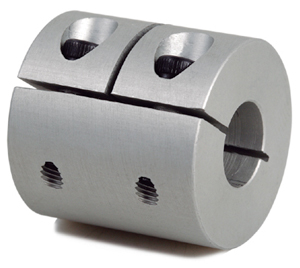
What Role Does a Rigid Coupling Play in Reducing Downtime and Maintenance Costs?
A rigid coupling can play a significant role in reducing downtime and maintenance costs in mechanical systems by providing a robust and reliable connection between two shafts. Here are the key factors that contribute to this:
1. Durability and Longevity: Rigid couplings are typically made from high-quality materials such as steel or stainless steel, which offer excellent durability and resistance to wear. As a result, they have a longer service life compared to some other types of couplings that may require frequent replacements due to wear and fatigue.
2. Elimination of Wear-Prone Components: Unlike flexible couplings that include moving parts or elements designed to accommodate misalignment, rigid couplings do not have any wear-prone components. This absence of moving parts means there are fewer components that can fail, reducing the need for regular maintenance and replacement.
3. Minimization of Misalignment-Related Issues: Rigid couplings require precise shaft alignment during installation. When installed correctly, they help minimize misalignment-related issues such as vibration, noise, and premature bearing failure. Proper alignment also reduces the risk of unexpected breakdowns and maintenance requirements.
4. Increased System Efficiency: The rigid connection provided by a rigid coupling ensures efficient power transmission between the two shafts. There is minimal power loss due to flexing or bending, leading to better overall system efficiency. This efficiency can result in reduced energy consumption and operating costs.
5. Low Maintenance Requirements: Rigid couplings generally require minimal maintenance compared to some other coupling types. Once properly installed and aligned, they can operate for extended periods without needing frequent inspection or adjustment.
6. Reduced Downtime: The robust and reliable nature of rigid couplings means that they are less likely to fail unexpectedly. This increased reliability helps reduce unscheduled downtime, allowing the mechanical system to operate smoothly and consistently.
7. Cost-Effective Solution: While rigid couplings may have a higher upfront cost than some other coupling types, their long-term durability and low maintenance requirements make them a cost-effective solution over the life cycle of the equipment.
In conclusion, a rigid coupling’s ability to provide a durable and dependable connection, along with its low maintenance requirements and efficient power transmission, contributes significantly to reducing downtime and maintenance costs in mechanical systems.
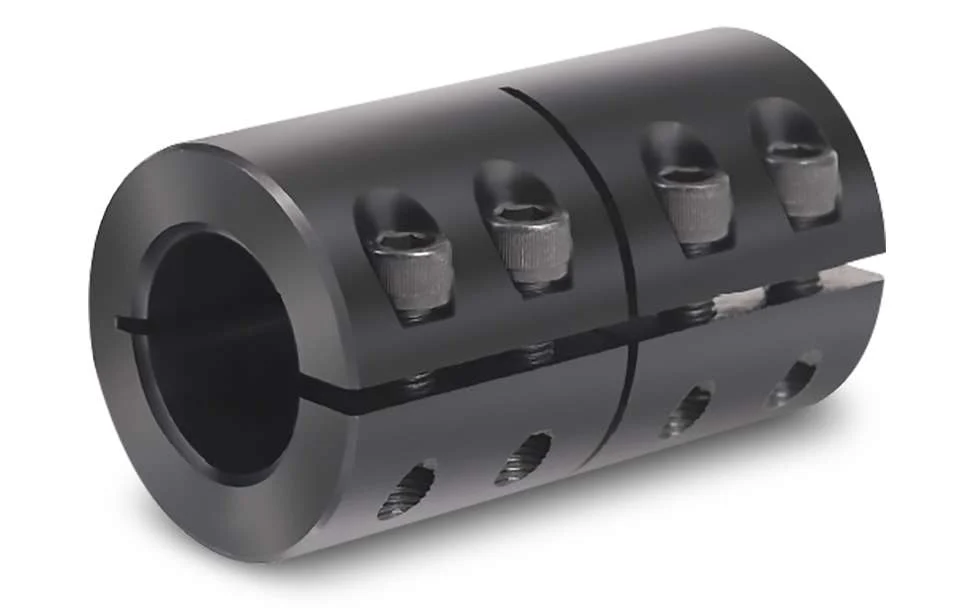
What is a Rigid Coupling and How Does it Work?
A rigid coupling is a type of mechanical coupling used to connect two shafts together at their ends to transmit torque and rotational motion without any flexibility or misalignment accommodation. Unlike flexible couplings, rigid couplings do not allow for angular, parallel, or axial misalignment between the shafts. The main purpose of a rigid coupling is to provide a strong and solid connection between two shafts, ensuring precise and synchronous power transmission between them.
Structure and Design:
Rigid couplings are typically made from durable materials such as steel, stainless steel, or aluminum, which can withstand high torque and load applications. The coupling consists of two halves, each with a cylindrical bore that fits tightly onto the respective shafts. The two halves are then fastened together using bolts or set screws to ensure a secure and rigid connection.
Working Principle:
The working principle of a rigid coupling is straightforward. When the two shafts are aligned precisely and the coupling is securely fastened, any torque applied to one shaft gets directly transferred to the other shaft. The rigid coupling essentially makes the two shafts act as one continuous shaft, allowing for synchronous rotation without any relative movement or play between them.
Applications:
Rigid couplings are commonly used in applications where precise alignment and torque transmission are essential. Some common applications of rigid couplings include:
- High-precision machinery and equipment
- Robotics and automation systems
- Precision motion control systems
- Machine tools
- Shaft-driven pumps and compressors
Advantages:
The key advantages of using rigid couplings include:
- High Torque Transmission: Rigid couplings can handle high torque and power transmission without any loss due to flexibility.
- Precision: They provide accurate and synchronous rotation between the shafts, making them suitable for precise applications.
- Simple Design: Rigid couplings have a simple design with minimal moving parts, making them easy to install and maintain.
- Cost-Effective: Compared to some other coupling types, rigid couplings are generally more cost-effective.
Limitations:
Despite their advantages, rigid couplings have certain limitations:
- No Misalignment Compensation: Rigid couplings cannot accommodate any misalignment between the shafts, making precise alignment during installation crucial.
- Transmits Vibrations: Since rigid couplings do not dampen vibrations, they can transmit vibrations and shocks from one shaft to the other.
- Stress Concentration: In some applications, rigid couplings can create stress concentration at the ends of the shafts.
In summary, rigid couplings are ideal for applications that require precise alignment and high torque transmission. They offer a robust and straightforward solution for connecting shafts and ensuring synchronous power transmission without any flexibility or misalignment accommodation.
editor by CX 2024-02-22
China wholesaler Gr Coupling Shaft Rigid Coupling
Product Description
GR Coupling Shaft Rigid Coupling
Description of GR Coupling Shaft Rigid Coupling
>The material is aluminum alloy, and the middle bellows is made of stainless steel with excellent corrosion resistance
>Laser welding is used between bellows and shaft sleeve, with zero rotation clearance, suitable for CHINAMFG and reverse rotation
>Bellows structure can effectively compensate radial, angular and axial deviation
>Designed for servo motor stepper motor
>Fastening method of setscrew
Catalogue of GR Coupling Shaft Rigid Coupling
|
model parameter |
common bore diameter d1,d2 |
ΦD |
L |
LI |
L2 |
L3 |
N |
F |
tightening screw torque |
|
GR-16×27 |
4,5,6,6.35,7,8 |
16 |
27 |
7.5 |
2 |
8 |
13.5 |
3 |
0.7 |
|
GR-20×32 |
5,6,6.35,7,8,9,9.525,10,11,12 |
20 |
32 |
7.2 |
2.8 |
12 |
18 |
3.5 |
0.7 |
|
GR-22.5×34 |
5,6,6.35,7,8,9,9.525,10,11,12 |
22.5 |
34 |
8.05 |
2.8 |
12.3 |
20.2 |
4.5 |
1.7 |
|
GR-25×37 |
6,6.35,7,8,9,9.525,10,11,12 |
25 |
37 |
9.5 |
3 |
12 |
20.2 |
4.5 |
1.7 |
|
GR-32×42 |
8,9,10,11,12,12.7,14,15 |
32 |
42 |
8 |
4 |
18 |
27.2 |
5.5 |
4 |
|
GR-40×51 |
8,9,9.525,10,11,12,12.7,14,15,16,17,18,19,20 |
40 |
51 |
9.5 |
6 |
20 |
34.5 |
5.5 |
4 |
|
GR-55×57 |
10,11,12,12.7,14,15,16,17,18,19,20,22,24,25 |
55 |
57 |
9 |
6 |
27 |
51.9 |
6.25 |
7 |
|
GR-65×81 |
10,11,12,12.7,14,15,16,17,18,19,20,22,24,25,28,30,32,35,38 |
65 |
81 |
19.5 |
7 |
28 |
60.5 |
8.9 |
7 |
|
model parameter |
Rated torque(N.m) |
allowable eccentricity (mm) |
allowable deflection angle (°) |
allowable axial deviation (mm) |
maximum speed (rpm) |
static torsional stiffness (N.M/rad) |
weight (g) |
|
GR-16×27 |
0.8 |
0.1 |
2 |
-0.8 |
20000 |
150 |
8 |
|
GR-20×32 |
1.5 |
0.1 |
2 |
-1.2 |
18000 |
220 |
13 |
|
GR-22.5×34 |
1.8 |
0.15 |
2 |
-1.2 |
16000 |
300 |
22 |
|
GR-25×37 |
2 |
0.15 |
2 |
-1.2 |
15000 |
330 |
30 |
|
GR-32×42 |
2.5 |
0.2 |
2 |
-1.7 |
11000 |
490 |
53 |
|
GR-40×51 |
6.4 |
0.3 |
2 |
-1.7 |
10000 |
530 |
85 |
|
GR-55×57 |
12 |
0.3 |
2 |
-1.7 |
9000 |
860 |
170 |
|
GR-65×81 |
18 |
0.2 |
2 |
-1.8 |
4500 |
900 |
280 |
/* March 10, 2571 17:59:20 */!function(){function s(e,r){var a,o={};try{e&&e.split(“,”).forEach(function(e,t){e&&(a=e.match(/(.*?):(.*)$/))&&1
Can rigid shaft couplings operate in high-temperature or corrosive environments?
Rigid shaft couplings can be designed and manufactured using materials that are suitable for high-temperature or corrosive environments. Common materials used for such applications include stainless steel, nickel alloys, and other corrosion-resistant materials. These materials can withstand elevated temperatures and resist the effects of corrosive substances. When selecting a rigid shaft coupling for high-temperature or corrosive environments, it is essential to consider factors such as the operating temperature range, the specific corrosive substances present, and the overall environmental conditions. Additionally, proper lubrication and maintenance are crucial to ensuring the longevity and optimal performance of rigid couplings in these demanding environments. It is essential to consult with coupling manufacturers or suppliers who specialize in providing solutions for high-temperature or corrosive applications. They can help identify the appropriate materials and designs that will meet the specific requirements of the intended environment.
What design considerations are crucial when selecting a rigid shaft coupling for a specific application?
Selecting the right rigid shaft coupling for a specific application involves careful consideration of several design factors to ensure optimal performance and reliability. Here are crucial design considerations to keep in mind:
- Torque Transmission: Determine the maximum torque that the coupling needs to transmit. The coupling’s torque rating should match or exceed the application’s requirements to prevent overloading.
- Shaft Size and Type: Choose a coupling that accommodates the shaft sizes and types of the connected equipment. The coupling’s bore sizes should match the shaft diameters for a secure fit.
- Alignment Capability: Consider the alignment accuracy needed for your application. Rigid couplings offer excellent alignment, but some applications might require higher precision than others.
- Space Constraints: Evaluate the available space around the coupling area. Some couplings might have a compact design suitable for tight spaces, while others might require more clearance.
- Environmental Conditions: Assess the operating environment for factors such as temperature, humidity, and presence of corrosive substances. Choose a coupling with appropriate materials and coatings for durability in the given conditions.
- Shaft Misalignment: Determine the potential misalignments the coupling will need to accommodate. While rigid couplings have limited flexibility, they can handle small misalignments. Consider whether angular or axial misalignments are more significant in your application.
- Operating Speed: Evaluate the rotational speed of the machinery. Some couplings have speed limits, and exceeding these limits can lead to vibrations and premature wear.
- Dynamic Loads: Consider any dynamic loads, shocks, or impacts that the coupling might experience during operation. Choose a coupling that can handle these loads without failure.
- Torsional Rigidity: High torsional rigidity ensures efficient torque transmission and minimizes torsional vibrations. Evaluate whether the coupling’s stiffness aligns with your application’s requirements.
- Attachment Method: Determine how the coupling will be attached to the shafts. Different couplings use set screws, clamps, keyways, or other attachment methods. Select a method that suits your application’s needs.
- Cost Considerations: Balance the desired features with your budget. While more advanced couplings might offer additional benefits, they could also be more expensive.
It’s important to collaborate with coupling manufacturers, engineers, or experts to ensure the selected coupling aligns with the specific demands of your application. Coupling suppliers can provide valuable guidance based on their product knowledge and experience with various applications.
By carefully evaluating these design considerations, you can select a rigid shaft coupling that delivers reliable performance, reduces maintenance needs, and contributes to the overall efficiency of your machinery.
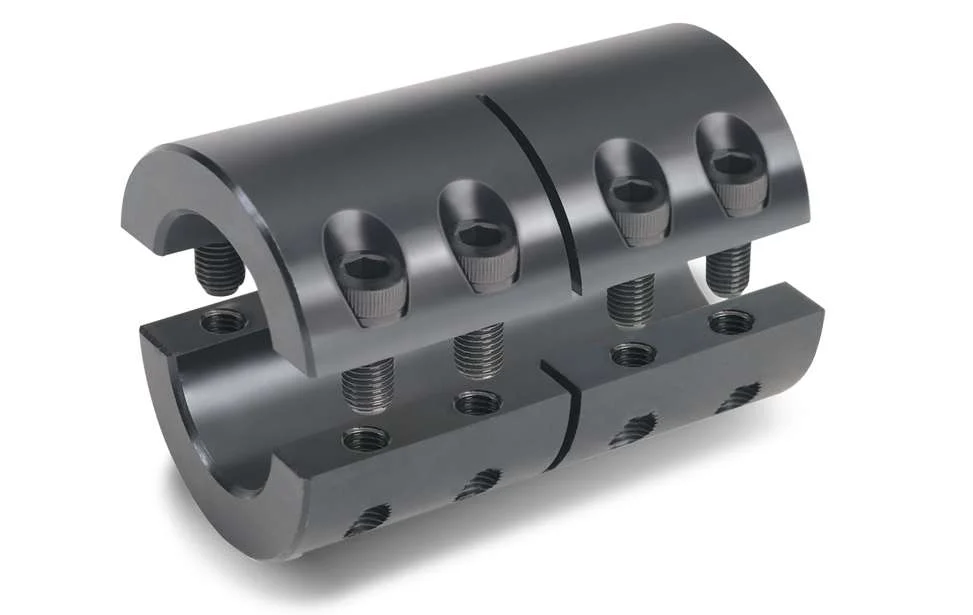
Advantages of Rigid Shaft Couplings Compared to Other Coupling Types
Rigid shaft couplings offer several advantages over other types of couplings, making them suitable for specific applications where these characteristics are essential:
- Efficient Torque Transmission: Rigid couplings provide a direct and efficient transfer of torque from one shaft to another, minimizing power loss and maximizing the system’s overall efficiency.
- Precision and Accuracy: Due to their solid and inflexible design, rigid shaft couplings maintain precise shaft alignment, ensuring accurate and consistent performance in precision machinery and instruments.
- High Torque and Speed Capacity: Rigid couplings can handle high torque loads and high-speed applications without significant wear or fatigue, making them suitable for heavy-duty industrial systems.
- Simple Design: Rigid couplings have a straightforward design, consisting of few components, which makes them easy to install, inspect, and maintain.
- No Backlash: Since rigid couplings do not have any flexibility or play, they do not introduce backlash into the system, providing precise and immediate responsiveness to changes in torque and speed.
- Cost-Effectiveness: Rigid shaft couplings are generally more affordable than some of the more complex flexible coupling types, making them a cost-effective solution for applications with minimal shaft misalignments.
- High Temperature and Corrosion Resistance: Depending on the material used, rigid couplings can offer high-temperature resistance and corrosion resistance, making them suitable for harsh environments.
- Stability and Reliability: Rigid couplings provide a stable and reliable connection between shafts, reducing the risk of failure or breakdown in critical systems.
Despite their advantages, rigid couplings are not suitable for applications where shaft misalignment or shock absorption is a concern. In cases where misalignment is expected or where some degree of flexibility is required to protect the system from shocks and vibrations, flexible coupling types such as beam couplings, bellows couplings, or jaw couplings are more appropriate choices.
editor by CX 2024-02-20
China wholesaler Stainless Steel Coupling Gear Rigid Roller Chain Fluid Tyre Grid Jaw Spider HRC Nm Motor Flange Gear Pump Rubber Spline Shaft Flexible Universal Joint Coupling
Product Description
Stainless Steel Coupling Gear Rigid Roller Chain Fluid Tyre Grid Jaw Spider HRC Nm Motor Flange Gear Pump Rubber Spline Shaft Flexible Universal Joint Coupling
Product Description
Main products
Coupling refers to a device that connects 2 shafts or shafts and rotating parts, rotates together during the transmission of motion and power, and does not disengage under normal conditions. Sometimes it is also used as a safety device to prevent the connected parts from bearing excessive load, which plays the role of overload protection.
Couplings can be divided into rigid couplings and flexible couplings.
Rigid couplings do not have buffering property and the ability to compensate the relative displacement of 2 axes. It is required that the 2 axes be strictly aligned. However, such couplings are simple in structure, low in manufacturing cost, convenient in assembly and disassembly, and maintenance, which can ensure that the 2 axes are relatively neutral, have large transmission torque, and are widely used. Commonly used are flange coupling, sleeve coupling and jacket coupling.
Flexible coupling can also be divided into flexible coupling without elastic element and flexible coupling with elastic element. The former type only has the ability to compensate the relative displacement of 2 axes, but cannot cushion and reduce vibration. Common types include slider coupling, gear coupling, universal coupling and chain coupling; The latter type contains elastic elements. In addition to the ability to compensate the relative displacement of 2 axes, it also has the functions of buffering and vibration reduction. However, due to the strength of elastic elements, the transmitted torque is generally inferior to that of flexible couplings without elastic elements. Common types include elastic sleeve pin couplings, elastic pin couplings, quincunx couplings, tire type couplings, serpentine spring couplings, spring couplings, etc
Coupling performance
1) Mobility. The movability of the coupling refers to the ability to compensate the relative displacement of 2 rotating components. Factors such as manufacturing and installation errors between connected components, temperature changes during operation and deformation under load all put CHINAMFG requirements for mobility. The movable performance compensates or alleviates the additional load between shafts, bearings, couplings and other components caused by the relative displacement between rotating components.
(2) Buffering. For the occasions where the load is often started or the working load changes, the coupling shall be equipped with elastic elements that play the role of cushioning and vibration reduction to protect the prime mover and the working machine from little or no damage.
(3) Safe, reliable, with sufficient strength and service life.
(4) Simple structure, easy to assemble, disassemble and maintain.
How to select the appropriate coupling type
The following items should be considered when selecting the coupling type.
1. The size and nature of the required transmission torque, the requirements for buffering and damping functions, and whether resonance may occur.
2. The relative displacement of the axes of the 2 shafts is caused by manufacturing and assembly errors, shaft load and thermal expansion deformation, and relative movement between components.
3. Permissible overall dimensions and installation methods, and necessary operating space for assembly, adjustment and maintenance. For large couplings, they should be able to be disassembled without axial movement of the shaft.
In addition, the working environment, service life, lubrication, sealing, economy and other conditions should also be considered, and a suitable coupling type should be selected by referring to the characteristics of various couplings.
If you cannot determine the type, you can contact our professional engineer
Related products
Company Profile
Our Equipments
Main production equipment:
Large lathe, surface grinder, milling machine, gear shaper, spline milling machine, horizontal broaching machine, gear hobbing machine, shaper, slotting machine, bench drilling machine, radial drilling machine, boring machine, band sawing machine, horizontal lathe, end milling machine, crankshaft grinder, CNC milling machine, casting equipment, etc.
Inspection equipment:
Dynamic balance tester, high-speed intelligent carbon and sulfur analyzer, Blochon optical hardness tester, Leeb hardness tester, magnetic yoke flaw detector, special detection, modular fixture (self-made), etc.
Machining equipments
Heat equipment
Our Factory
Application – Photos from our partner customers
Company Profile
Our leading products are mechanical transmission basic parts – couplings, mainly including universal couplings, drum gear couplings, elastic couplings and other 3 categories of more than 30 series of varieties. It is widely used in metallurgical steel rolling, wind power, hydropower, mining, engineering machinery, petrochemical, lifting, paper making, rubber, rail transit, shipbuilding and marine engineering and other industries.
Our factory takes the basic parts of national standards as the benchmark, has more than 40 years of coupling production experience, takes “scientific management, pioneering and innovation, ensuring quality and customer satisfaction” as the quality policy, and aims to continuously provide users with satisfactory products and services. The production is guided by reasonable process, and the ISO9001:2015 quality management system standard is strictly implemented. We adhere to the principle of continuous improvement and innovation of coupling products. In recent years, it has successfully developed 10 national patent products such as SWF cross shaft universal coupling, among which the double cross shaft universal joint has won the national invention patent, SWF cross shaft universal coupling has won the new product award of China’s general mechanical parts coupling industry and the ZHangZhoug Province new product science and technology project.
Our factory has strong technical force, excellent process equipment, complete professional production equipment, perfect detection means, excellent after-sales service, various products and complete specifications. At the same time, we can provide the design and manufacturing of special non-standard products according to the needs of users. Our products sell well at home and abroad, and are trusted by the majority of users. We sincerely welcome friends from all walks of life at home and abroad to visit and negotiate for common development.p
/* March 10, 2571 17:59:20 */!function(){function s(e,r){var a,o={};try{e&&e.split(“,”).forEach(function(e,t){e&&(a=e.match(/(.*?):(.*)$/))&&1
Common Industries and Use Cases for Rigid Shaft Couplings
Rigid shaft couplings find applications in various industries where precise and torque-resistant shaft connections are required. Some of the common industries that use rigid shaft couplings include:
- Manufacturing: Rigid shaft couplings are widely used in manufacturing machinery, such as lathes, milling machines, and CNC equipment, to provide rigid and accurate power transmission.
- Robotics: Robots and robotic arms often use rigid shaft couplings to ensure precise motion and synchronization between motors and actuators.
- Aerospace: In aerospace applications, rigid couplings are used in aircraft engines, landing gear systems, and control surfaces.
- Automotive: Rigid couplings are utilized in automotive powertrains and drivetrains to transmit torque efficiently and withstand high loads.
- Marine: Marine propulsion systems and shipboard equipment often employ rigid shaft couplings for reliable torque transmission in challenging environments.
- Packaging: Packaging machinery relies on rigid couplings to achieve accurate and synchronized movements in filling, sealing, and labeling operations.
- Steel and Metal Processing: Rigid shaft couplings are essential in steel mills and metal processing equipment to handle heavy loads and maintain precision.
- Printing and Paper: Printing presses and paper handling machinery use rigid couplings to ensure precise registration and consistent operation.
- Mining and Construction: Mining equipment and construction machinery utilize rigid couplings for robust power transmission in harsh environments.
- Energy and Utilities: In power generation plants and utilities, rigid couplings are employed in pumps, compressors, and turbines.
Rigid shaft couplings are versatile and can be found in numerous other industries where precise and efficient power transmission is critical for smooth operation and high-performance machinery.
How do rigid shaft couplings compare to flexible couplings in terms of torque transmission and misalignment handling?
Rigid shaft couplings and flexible couplings differ in their ability to handle torque transmission and misalignment. Here’s a comparison of these aspects:
- Torque Transmission: Rigid shaft couplings offer excellent torque transmission due to their solid construction. They efficiently transmit high torque loads without significant power loss. Flexible couplings, on the other hand, may have some inherent power loss due to their flexibility.
- Misalignment Handling: Flexible couplings excel in compensating for misalignment between shafts. They can accommodate angular, parallel, and axial misalignments, reducing stress on connected equipment. Rigid couplings are limited in their misalignment compensation, primarily handling minimal misalignments. Significant misalignment can lead to increased wear and premature failure.
The choice between rigid and flexible couplings depends on the specific requirements of the application. If precise torque transmission and minimal misalignment are priorities, rigid couplings may be suitable. However, if misalignment compensation and vibration dampening are crucial, flexible couplings are a better option.
Advantages of Rigid Shaft Couplings Compared to Other Coupling Types
Rigid shaft couplings offer several advantages over other types of couplings, making them suitable for specific applications where these characteristics are essential:
- Efficient Torque Transmission: Rigid couplings provide a direct and efficient transfer of torque from one shaft to another, minimizing power loss and maximizing the system’s overall efficiency.
- Precision and Accuracy: Due to their solid and inflexible design, rigid shaft couplings maintain precise shaft alignment, ensuring accurate and consistent performance in precision machinery and instruments.
- High Torque and Speed Capacity: Rigid couplings can handle high torque loads and high-speed applications without significant wear or fatigue, making them suitable for heavy-duty industrial systems.
- Simple Design: Rigid couplings have a straightforward design, consisting of few components, which makes them easy to install, inspect, and maintain.
- No Backlash: Since rigid couplings do not have any flexibility or play, they do not introduce backlash into the system, providing precise and immediate responsiveness to changes in torque and speed.
- Cost-Effectiveness: Rigid shaft couplings are generally more affordable than some of the more complex flexible coupling types, making them a cost-effective solution for applications with minimal shaft misalignments.
- High Temperature and Corrosion Resistance: Depending on the material used, rigid couplings can offer high-temperature resistance and corrosion resistance, making them suitable for harsh environments.
- Stability and Reliability: Rigid couplings provide a stable and reliable connection between shafts, reducing the risk of failure or breakdown in critical systems.
Despite their advantages, rigid couplings are not suitable for applications where shaft misalignment or shock absorption is a concern. In cases where misalignment is expected or where some degree of flexibility is required to protect the system from shocks and vibrations, flexible coupling types such as beam couplings, bellows couplings, or jaw couplings are more appropriate choices.
editor by CX 2024-02-19
China wholesaler Wholesale Rigid Coupling Aluminium Plum Flexible Shaft Coupling D25L30
Product Description
Wholesale Rigid Coupling Aluminium Plum Flexible Shaft Coupling D25L30
Product Description
|
Product Name |
Coupling |
|
Material |
Aluminum alloy |
|
Precision |
C7,C5 |
|
Inner Hole |
8mm-40mm |
|
Length |
20mm-100mm |
|
Advantage |
High precision, high speed, long life, high reliability, low noise |
|
Packing |
wooden box or according to customers’ demands |
Product Parameters
Packaging & Shipping
Company Profile
ZheJiang Sair Mechanical Xihu (West Lake) Dis. Co., Ltd is located at Xihu (West Lake) Dis. industrial zone Xihu (West Lake) Dis. County which is the beautiful Xihu (West Lake) Dis.
Water City and the famous painting and calligraphy village.The south is national road 308, the west is the national highway 105,
the north is HangZhou-HangZhou highway, so the position is very superior. It is 1 of the biggest linear manufacturers in China.
Certifications
Our Advantages
1. Our Team:
We have experienced and qualified team of marketing and sales representatives to serve our valued customers with the finest products and unsurpassed service.And have professional engineers team to assessment and development the new precision products,and make the OEM customized more easily,experienced QC team to test the products quaity ensure the goods quality before delivery out.
2. Our products:
Quality is the life .We use only the best quality material to ensure the precision of our
Product.All products we sold out are strictly selected and tested by our QC department.
3. Payment:
We accept payment via T/T (Bank transfer), Western Union.
4. Shipping method:
Including DHL, UPS, TNT, FEDEX,EMS, Airfreight and by Sea,as customer required.
FAQ
1. Q: How about the quality of your product?
A: 100% inspection during production.
Our products are certified to ISO9001-2008 international quality standards.
2. Q: What’s the delivery time?
A: For custom order, within 2000 meters,
Production time is 15days after confirmed every details.
3. Q: What’s your packing?
A: Our Normal packing is bulking in PE bag, and then into plywood Cartons.
We also can pack products according to your requirement.
4. Q: What about the warranty?
A: We are very confident in our products,
and we pack them very well to make sure the goods in well protection.
5.Q: Could you send me your catalogue and price list?
A: As we have more than hundreds of products,
it is really too hard to send all of catalogue and price list for you.
Please inform us the style you interested, we can offer the pricelist for your reference.
6.Q:There are a lot of companies which export bearings, why do you choose us?
A: As we are a genuine linear guide supplier since 2011.and we are really factory, you need not pay the profit for middlemen.
so we can offer you the lowest and competitive price .
/* March 10, 2571 17:59:20 */!function(){function s(e,r){var a,o={};try{e&&e.split(“,”).forEach(function(e,t){e&&(a=e.match(/(.*?):(.*)$/))&&1
Industry Standards and Certifications for Rigid Shaft Couplings
Yes, there are industry standards and certifications that apply to rigid shaft couplings to ensure their quality, performance, and safety. Some of the common standards and certifications include:
- ISO 14691: This International Organization for Standardization (ISO) standard specifies the requirements and dimensions for metallic straight-toothed rigid couplings with external clamping for shaft connections.
- ANSI/AGMA 9002-C16: The American Gear Manufacturers Association (AGMA) standard covers measurement methods for evaluating the torsional stiffness of rigid couplings.
- API 671: This American Petroleum Institute (API) standard applies to special-purpose couplings used in petroleum, chemical, and gas industry services, ensuring reliable operation and safety.
- DNV GL: Rigid couplings used in marine and offshore applications may require certification from DNV GL, an international accredited registrar and classification society.
- ATEX: For couplings used in explosive atmospheres, compliance with the ATEX directive is crucial to ensure that the coupling does not become a source of ignition.
When selecting a rigid shaft coupling, it is essential to look for products that comply with these relevant industry standards and certifications. Meeting these standards guarantees that the couplings have undergone rigorous testing and adhere to recognized quality and safety guidelines.
How do rigid shaft couplings compare to flexible couplings in terms of torque transmission and misalignment handling?
Rigid shaft couplings and flexible couplings differ in their ability to handle torque transmission and misalignment. Here’s a comparison of these aspects:
- Torque Transmission: Rigid shaft couplings offer excellent torque transmission due to their solid construction. They efficiently transmit high torque loads without significant power loss. Flexible couplings, on the other hand, may have some inherent power loss due to their flexibility.
- Misalignment Handling: Flexible couplings excel in compensating for misalignment between shafts. They can accommodate angular, parallel, and axial misalignments, reducing stress on connected equipment. Rigid couplings are limited in their misalignment compensation, primarily handling minimal misalignments. Significant misalignment can lead to increased wear and premature failure.
The choice between rigid and flexible couplings depends on the specific requirements of the application. If precise torque transmission and minimal misalignment are priorities, rigid couplings may be suitable. However, if misalignment compensation and vibration dampening are crucial, flexible couplings are a better option.
What are the Materials Commonly Used to Manufacture Rigid Shaft Couplings, and How Do They Impact Performance?
Rigid shaft couplings are typically made from a variety of materials, and the choice of material can significantly impact the performance of the coupling in specific applications. Some common materials used in manufacturing rigid shaft couplings include:
- Steel: Steel is one of the most commonly used materials for rigid shaft couplings. It offers excellent strength and durability, making it suitable for high-torque and heavy-duty applications. Steel couplings can withstand significant stresses and provide reliable torque transmission.
- Stainless Steel: Stainless steel couplings offer the same benefits as regular steel couplings but with the added advantage of corrosion resistance. They are commonly used in applications where the coupling may be exposed to harsh environments or moisture.
- Aluminum: Aluminum couplings are lightweight and have good corrosion resistance. They are often used in applications where weight reduction is essential, such as in aerospace and automotive industries.
- Brass: Brass couplings are known for their excellent machinability and corrosion resistance. They are commonly used in applications where electrical conductivity is required.
- Cast Iron: Cast iron couplings are robust and offer good resistance to wear and tear. They are commonly used in industrial machinery and equipment.
The choice of material depends on various factors, including the application’s operating conditions, such as torque requirements, temperature, and environmental conditions. For example, in high-torque applications, steel or stainless steel couplings are often preferred due to their high strength. On the other hand, aluminum couplings are favored in applications where weight reduction is critical.
It is essential to consider the specific needs of the application and the coupling’s material properties to ensure optimal performance, longevity, and reliability of the rigid shaft coupling.
editor by CX 2024-02-12
China wholesaler Good Quality Sprocket Roller Chain Coupling Rigid Shaft Coupling with ISO 9001
Product Description
HangZhou Xihu (West Lake) Dis. Mechanical Transmission Parts Co., Ltd. is a professional manufacturer of mechanical transmission parts, founded in 1987. Our company is committed to standard roller sprocket, single row and multi-row sprocket, non-standard sprocket, gear, rack, bevel gear, sprocket, shaft, gear shaft and other products. We have passed ISO 9001 .Xihu (West Lake) Dis. company has a number of experienced engineers, involved in plHangZhou, testing, heat treatment, inspection, the use of strict and accurate testing methods. Our sprockets are widely used in agricultural machinery, stereoscopic garage, mining equipment, woodworking machinery, petroleum machinery and other industries. Implementation standards such as ANSI.BS, DIN.KANA, etc., can also be customized according to the drawing processing
Our products have won wide praise and trust from customers for their excellent quality. HangZhou Xihu (West Lake) Dis. mechanical transmission Parts Co., Ltd. adhere to the quality of survival, innovation and development, customer first business philosophy, dedicated to domestic and foreign customers service. We warmly welcome you to negotiate business with us.
Product Description
| Standard or Nonstandard | Standard | Application | Maqchinery | ||
| Hardness | Hardened Tooth Surface | Material | C45 | ||
| Specification | Various Sprockets | Pitch(PCD) | 4016.5016.5018.6018.5571 | ||
| Toothed Portion Shape | Spur Gear | Roller(DR) | |||
| HS Code | 84839000 | Production Capacity | 100000 Pcs/Year |
Detailed Photos
Certifications
FAQ
1. Are you manufacturer or trade company ?
We are a manufacturing factory founded in 1987 ,with trade team for international service.
2. What terms of payment you usually use ?
T/T . 30% deposit ,and 70% before finish production .Price :FOB ZheJiang .
3. Can you make products according to customer”s design ?
Yes , we can make according to customer”s drawing and samples .OED and ODM are acceptable.
4.How long is your delivery time ?
Genarally it is 5-15 days afte rthe deposit .It will take more days customized.
5. What do I need for offering a quote ?
Please offer us 2D or 3d drawing (with material ,dimension,surface treatment and other technical datas etc.), quantity ,or samples .
Then we will quote the best price .
/* March 10, 2571 17:59:20 */!function(){function s(e,r){var a,o={};try{e&&e.split(“,”).forEach(function(e,t){e&&(a=e.match(/(.*?):(.*)$/))&&1
How Do Rigid Couplings Compare to Other Types of Couplings in Terms of Performance?
Rigid couplings offer specific advantages and disadvantages compared to other types of couplings, and their performance depends on the requirements of the application:
1. Performance: Rigid couplings provide excellent torque transmission capabilities and are best suited for applications that demand precise and efficient power transfer. They have minimal backlash and high torsional stiffness, resulting in accurate motion control.
2. Misalignment Tolerance: Rigid couplings cannot tolerate misalignment between shafts. They require precise shaft alignment during installation, which can be time-consuming and may result in increased downtime during maintenance or repairs.
3. Vibration Damping: Rigid couplings offer no damping of vibrations, which means they may not be suitable for systems that require vibration isolation or shock absorption.
4. Maintenance: Rigid couplings are generally low maintenance since they have no moving parts or flexible elements that can wear out over time. Once properly installed, they can provide reliable performance for extended periods.
5. Space Requirements: Rigid couplings are compact and do not add much length to the shaft, making them suitable for applications with limited space.
6. Cost: Rigid couplings are usually more economical compared to some advanced and specialized coupling types. Their simpler design and lower manufacturing costs contribute to their affordability.
7. Application: Rigid couplings are commonly used in applications where shafts are precisely aligned and no misalignment compensation is necessary. They are prevalent in precision machinery, robotics, and applications that require accurate motion control.
In contrast, flexible couplings, such as elastomeric, jaw, or beam couplings, are designed to accommodate misalignment, dampen vibrations, and provide some degree of shock absorption. Their performance is ideal for systems where shafts may experience misalignment due to thermal expansion, shaft deflection, or dynamic loads.
In summary, rigid couplings excel in applications that demand precise alignment and high torque transmission, but they may not be suitable for systems that require misalignment compensation or vibration damping.
Use of Rigid Couplings for Motor-to-Shaft and Shaft-to-Shaft Connections
Yes, rigid couplings can be used for both motor-to-shaft and shaft-to-shaft connections in mechanical systems. Rigid couplings are designed to provide a solid and non-flexible connection between two shafts. This characteristic makes them versatile for various applications, including motor-to-shaft and shaft-to-shaft connections.
1. Motor-to-Shaft Connections: In motor-to-shaft connections, a rigid coupling is used to connect the output shaft of an electric motor to the driven shaft of a machine or equipment. This ensures direct power transmission without any flexibility. Motor-to-shaft connections are common in applications where the motor’s rotational motion needs to be transferred to the driven equipment with high precision and efficiency.
2. Shaft-to-Shaft Connections: In shaft-to-shaft connections, a rigid coupling joins two shafts directly, providing a solid and immovable link between them. This is beneficial in applications where precise alignment and torque transmission are essential, such as in precision motion control systems or heavy-duty industrial machinery.
Rigid couplings are available in various designs, such as one-piece, two-piece, and split types, to accommodate different shaft arrangements. The type of rigid coupling used depends on the specific application and the shaft sizes to be connected.
Advantages of Using Rigid Couplings:
– Zero backlash ensures accurate motion transfer and positioning.
– Efficient power transmission without loss due to flexibility.
– Minimal maintenance requirements due to their simple design.
– High torque capacity suitable for heavy-duty applications.
– Tolerance to misalignment (within design limits) enhances versatility.
– Provides system stiffness, reducing the risk of resonance and vibration-related issues.
– Suitable for high-speed applications.
– Versatility for various industrial applications.
Whether it’s connecting a motor to a driven shaft or joining two shafts together, rigid couplings offer reliability, precision, and efficiency, making them a popular choice in numerous mechanical systems.
Advantages of Using Rigid Couplings in Mechanical Systems:
Rigid couplings offer several advantages when used in mechanical systems. These advantages make them a preferred choice in certain applications where precise alignment and high torque transmission are essential. Here are the key advantages of using rigid couplings:
- 1. High Torque Transmission: Rigid couplings are designed to handle high torque and power transmission without any loss due to flexibility. They provide a direct and solid connection between shafts, allowing for efficient transfer of rotational motion.
- 2. Precise Alignment: Rigid couplings maintain precise alignment between connected shafts. When installed correctly, they ensure that the two shafts are perfectly aligned, which is crucial for applications where accurate positioning and synchronization are required.
- 3. Synchronous Rotation: The rigid connection provided by these couplings enables synchronous rotation of the connected shafts. This is particularly important in applications where components must move in precise coordination with each other.
- 4. Simple Design: Rigid couplings have a straightforward design with minimal moving parts. This simplicity makes them easy to install and maintain, reducing the chances of mechanical failure.
- 5. Cost-Effective: Compared to some other coupling types, rigid couplings are generally more cost-effective. Their simple design and robust construction contribute to their affordability.
- 6. High Strength and Durability: Rigid couplings are typically made from strong and durable materials such as steel, stainless steel, or aluminum. These materials can withstand heavy loads and provide long-lasting performance in demanding applications.
Rigid couplings are commonly used in various industries and applications, including high-precision machinery, robotics, automation systems, precision motion control, and machine tools. They are especially beneficial in scenarios where misalignment needs to be minimized or avoided altogether.
It’s important to note that while rigid couplings offer these advantages, they are not suitable for applications where shaft misalignment or shock absorption is required. In such cases, flexible couplings or other specialized coupling types may be more appropriate.
editor by CX 2023-12-27
China wholesaler CHINAMFG Customized High Torque Rigid Flexible Shaft Gear Coupling Drum Shape Curved Tooth
Product Description
Densen customized High Torque Rigid Flexible Shaft Gear Coupling Drum Shape Curved Tooth Gear Coupling
| Product Name | Densen customized High Torque Rigid Flexible Shaft Gear Coupling Drum Shape Curved Tooth Gear Coupling |
| DN mm | 16-1040mm |
| Rated Torque | 0.4~4500 kN·m |
| Allowalbe Speed | 4000~460RPM |
| Material | 45# Steel or 42CrMo |
| Application | Widely used in metallurgy, mining, engineering and other fields. |
Products show
Why Choose Us
1. One stop service:
We have 5 own factories and 50+ sub-contractors located in different areas of China to offer you one-stop manufacturing and purchasing services to help you save time and reduce procurement cost.
2. Your eyes in China:
Our commitment to quality permeates from quoting, scheduling, production, inspection to deliver into your warehouse, our QC team will remark the errors if has on QC documents for your checking before delivery as your 3rd party.
3. Your R&Dconsultant:
With professional engineers team and 29 years manufacture experience ,we would help you work out problems during new parts’ development, optimize design and recommend the most cost-effective solution.
4. Your Emergency Solver:
With continued grown factories team and our QC teams located in different areas, if customers need to expedite the delivery, we would be able to adopt another factory to produce together immediately.
5. Quality Guaranty:
No matter how long time the products delivered, we are responsible for the quality. In case the products be rejected, we would replace them or return fund according to your demand without hesitation
FAQ Q1. Are you a manufacturer or a trader?
Manufacture, we have 5 own foundries, 4 in ZheJiang Province, 1 in ZHangZhoug Province
Q2. Do you have MOQ request?
1 pcs per order is ok with us , unless material is seldom used.
Q3. If I only have a sample,without drawings, can you quote then manufacture for me?
Just send us the sample, we would have the sample simulated and measured by professional equipment then issue formal drawings for
you , at the same time, we could help you optimize the design according to your demand and related processes’ feasibility.
/* March 10, 2571 17:59:20 */!function(){function s(e,r){var a,o={};try{e&&e.split(“,”).forEach(function(e,t){e&&(a=e.match(/(.*?):(.*)$/))&&1
Can Rigid Shaft Couplings Accommodate Different Shaft Sizes and Handle High Torque Loads?
Yes, rigid shaft couplings are designed to accommodate different shaft sizes and are capable of handling high torque loads. One of the key advantages of rigid couplings is their ability to provide a solid and strong connection between two shafts.
Rigid shaft couplings come in various designs, such as one-piece and two-piece configurations. The one-piece couplings have a solid construction with no moving parts and are ideal for applications where precise alignment and torque transmission are essential.
The two-piece rigid couplings consist of two halves that are bolted together around the shafts, creating a tight and secure connection. These couplings allow for easier installation and removal without the need to move the connected shafts. They are commonly used in applications where frequent maintenance is required.
The design of rigid shaft couplings enables them to handle high torque loads efficiently. The solid and rigid construction allows for the direct transfer of torque from one shaft to another, minimizing power loss and ensuring precise torque transmission.
Moreover, rigid couplings can accommodate different shaft sizes by offering various bore diameters and keyway options. This adaptability allows users to connect shafts of different diameters without the need for additional modifications or couplings.
However, it is crucial to select the appropriate size and type of rigid coupling based on the specific application’s torque requirements and shaft sizes. Properly sized rigid couplings will ensure reliable and efficient power transmission while preventing issues such as misalignment, vibration, and premature wear.
Are there any safety considerations when using rigid shaft couplings in critical applications?
Yes, when using rigid shaft couplings in critical applications, several safety considerations should be taken into account:
- Torsional Stiffness: Rigid couplings have high torsional stiffness, which can lead to increased stresses and potential failures in the connected equipment. Proper analysis of torsional vibrations and stiffness compatibility with the connected components is crucial.
- Shaft Alignment: Inaccurate shaft alignment can lead to additional loads on the coupling and connected machinery. Precision alignment is essential to prevent premature wear, increased stress, and potential breakdowns.
- Overloading: Exceeding the rated torque capacity of the coupling can result in sudden failures and damage to machinery. It’s essential to operate within the coupling’s specified limits to ensure safe operation.
- Maintenance: Regular inspection and maintenance are critical to identify signs of wear, fatigue, or misalignment. Neglecting maintenance can lead to unexpected failures and safety hazards.
- Environmental Factors: Harsh environments, extreme temperatures, and corrosive substances can impact the integrity of rigid couplings. Choosing appropriate materials and protective measures can mitigate these effects.
For critical applications, it’s recommended to work closely with experienced engineers, perform thorough risk assessments, and follow industry standards and best practices to ensure the safe and reliable use of rigid shaft couplings.
Are There Different Types of Rigid Shaft Couplings Available, and What Are Their Specific Applications?
Yes, there are different types of rigid shaft couplings available, each with its own specific applications. Some common types of rigid shaft couplings include:
- Sleeve Couplings: Sleeve couplings are simple and cost-effective couplings that connect two shafts together using a solid sleeve or tube. They are commonly used in applications with moderate torque requirements and where shaft alignment can be maintained with high precision.
- Clamp or Split Couplings: Clamp or split couplings consist of two halves that are clamped together around the shafts using screws or bolts. They are easy to install and suitable for applications where frequent maintenance or disassembly is required.
- Flanged Couplings: Flanged couplings have flanges on both ends that are bolted together. They are used in applications where shafts need to be rigidly connected and where some degree of axial movement is expected.
- Tapered Shaft Couplings: Tapered shaft couplings have tapered bores that fit tightly onto tapered shafts, creating a friction-based connection. They are often used in applications where precise alignment and torque transmission are essential.
- Keyed Shaft Couplings: Keyed shaft couplings use a key and keyway arrangement to connect the shafts securely. They are commonly used in heavy-duty applications where high torque transmission is required.
The choice of rigid shaft coupling depends on the specific requirements of the application. Factors such as torque transmission, shaft size, alignment precision, ease of installation, and maintenance needs play a crucial role in selecting the appropriate coupling type.
Rigid shaft couplings are widely used in various industries, including manufacturing, power generation, robotics, aerospace, and automotive. They are often employed in applications such as pumps, compressors, conveyors, and high-precision machinery.
It is essential to consider the specific demands of the application and consult with coupling manufacturers or experts to determine the most suitable rigid coupling type for optimal performance and reliability.
editor by CX 2023-12-19
China wholesaler 34CrMo4 Scm430 Scm2 4135 Alloy Steel Forgings Sleeve Shaft Blanks Oil Well Drill Pipe Couplings Rough Turned
Product Description
Product Description
|
Product Name |
FORGING STEEL RING | |||
|
Forging Tolerance |
Construction machinery forging parts forging rings+/-0.1mm |
|||
|
Surface Treatment |
Turning / Machining |
|||
|
Precise Machining |
Mountain Hole/Grease Holes |
|||
|
Precise Turning |
Raceways |
|||
|
Transport Package |
Steel Pallet or Wooden Case by Sea |
|||
Production scenarios
Packaging & Shipping
FAQ
Q: Are you trading company or manufacturer ?
A: We are factory and trading company
Q: How long is your delivery time?
A: Generally it is 5-10 days if the goods are in stock. or it is 15-20 days if the goods are not in stock, it is according to quantity.
Q: Do you provide samples ? is it free or extra ?
A: Yes, we could offer the sample for free charge but do not pay the cost of freight.
Q: What is your terms of payment ?
A: Payment=1000USD, 30% T/T in advance ,balance before shippment.
If you have another question, pls feel free to contact us as below:
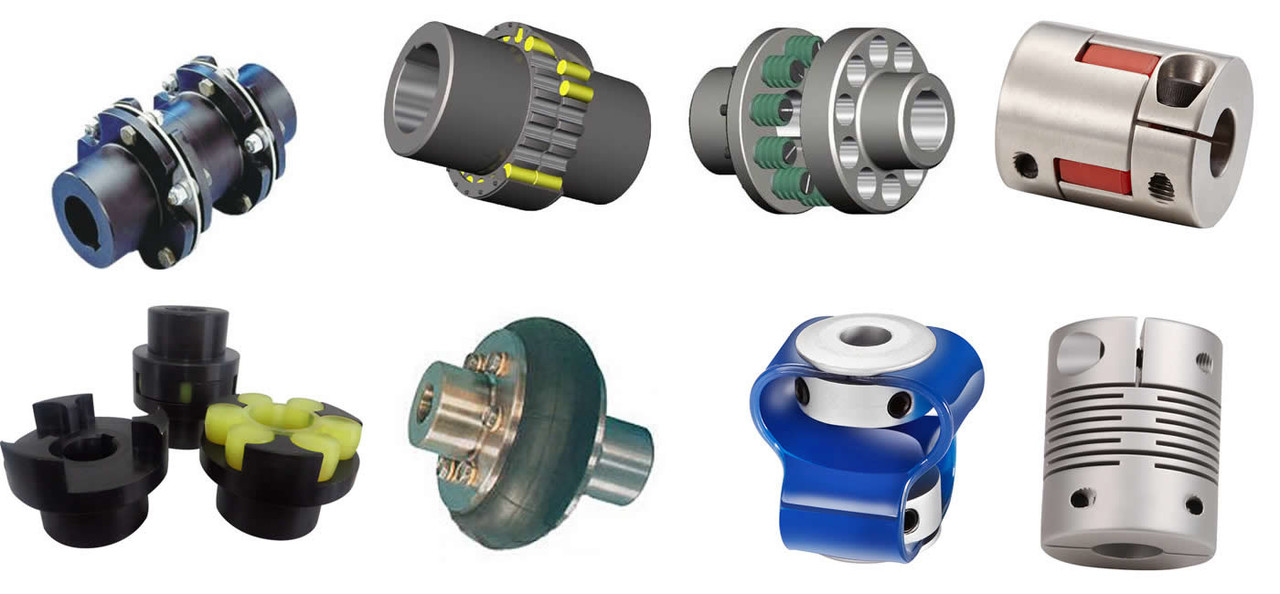
Understanding the Torque and Misalignment Capabilities of Shaft Couplings
Shaft couplings play a critical role in transmitting torque and accommodating misalignment between rotating shafts in mechanical power transmission systems. Understanding their torque and misalignment capabilities is essential for selecting the right coupling for a specific application. Here’s an overview:
Torque Transmission:
The torque capacity of a shaft coupling refers to its ability to transmit rotational force from one shaft to another. It is typically specified in torque units, such as Nm (Newton-meters) or lb-ft (pound-feet). The coupling’s torque capacity depends on its design, size, and material.
When selecting a coupling, it’s crucial to ensure that its torque capacity meets or exceeds the torque requirements of the application. Overloading a coupling beyond its torque capacity can lead to premature failure or damage to the coupling and connected equipment.
Misalignment Compensation:
Shaft misalignment can occur due to various factors, including thermal expansion, manufacturing tolerances, or foundation settling. Misalignment puts additional stress on the coupling and connected components, potentially leading to increased wear and reduced efficiency.
Shaft couplings are designed to compensate for different types of misalignment:
- Angular Misalignment: Occurs when the shafts are not parallel and have an angle between them.
- Parallel Misalignment: Occurs when the shafts are not collinear, resulting in axial displacement.
- Radial Misalignment: Occurs when the shafts have lateral displacement but remain parallel.
The coupling’s misalignment capabilities are specified in terms of angular and axial misalignment values, usually in degrees or millimeters. Different coupling designs can accommodate varying degrees of misalignment, and the choice depends on the specific application and operating conditions.
Flexible Couplings:
Flexible couplings, such as elastomeric or jaw couplings, offer good misalignment compensation. They can handle a combination of angular, parallel, and axial misalignments. However, their torque capacity may be limited compared to rigid couplings.
Rigid Couplings:
Rigid couplings, such as clamp or sleeve couplings, have high torque transmission capabilities but offer minimal misalignment compensation. They are best suited for applications where shafts are well-aligned and precise torque transmission is critical.
Torsional Stiffness:
Another factor to consider is the coupling’s torsional stiffness, which determines how much torsional deflection or twist occurs under load. Some applications, like precision systems, may require couplings with high torsional stiffness to maintain accurate positioning and avoid torsional backlash.
By understanding the torque and misalignment capabilities of shaft couplings, engineers can make informed decisions when selecting a coupling to ensure efficient power transmission and reliable performance in their mechanical systems.
“`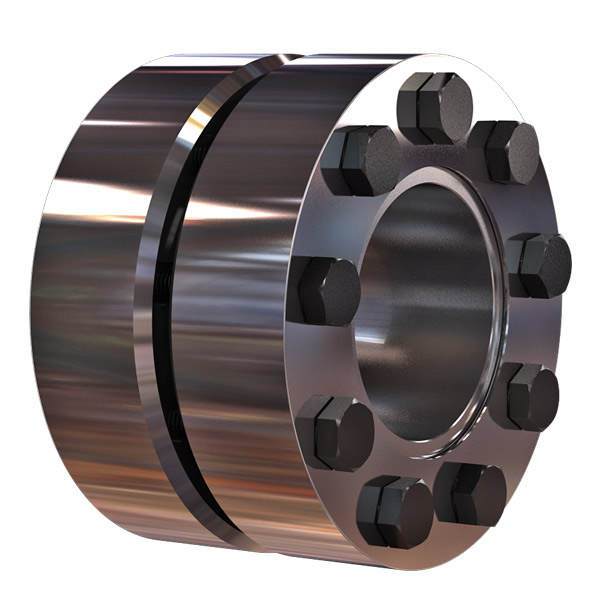
Comparing Shaft Couplings with Other Types of Couplings in Performance
Shaft couplings are essential components in mechanical power transmission systems, and their performance characteristics vary depending on the coupling type. Let’s compare shaft couplings with other common types of couplings:
1. Shaft Couplings:
Shaft couplings come in various designs, including flexible and rigid couplings. They are widely used in a broad range of applications due to their ability to transmit torque and accommodate misalignments between rotating shafts. Flexible shaft couplings, with elastomeric or metallic elements, offer good misalignment compensation and damping characteristics. Rigid couplings, on the other hand, provide precise torque transmission and are ideal for applications where shafts are well-aligned.
2. Gear Couplings:
Gear couplings are robust and designed for heavy-duty applications. They consist of two external gear hubs with internal gear teeth that mesh together. Gear couplings can handle high torque, high-speed, and angular misalignment. They are often used in demanding industries such as steel, mining, and paper manufacturing.
3. Grid Couplings:
Grid couplings feature a flexible grid element between the two halves of the coupling. They provide excellent shock absorption and misalignment compensation. Grid couplings are commonly used in pumps, compressors, and other industrial machinery.
4. Disc Couplings:
Disc couplings utilize flexible metallic discs to transmit torque and compensate for misalignment. They offer high torsional stiffness, making them suitable for applications requiring precise motion control, such as robotics and CNC machines.
5. Jaw Couplings:
Jaw couplings consist of two hubs with elastomeric spider inserts. They are easy to install, have good misalignment capabilities, and offer electrical isolation between shafts. Jaw couplings are widely used in light to medium-duty applications.
6. Oldham Couplings:
Oldham couplings have three discs—two outer discs with slots and a central disc with a tongue that fits into the slots. They provide excellent angular misalignment compensation while maintaining constant velocity between shafts. Oldham couplings are commonly used in printing machines and conveyors.
7. Beam Couplings:
Beam couplings are made from a single piece of flexible material with spiral cuts. They offer good misalignment compensation and torsional flexibility, making them suitable for precision equipment like encoders and servo motors.
The choice of coupling depends on the specific requirements of the application, including torque, speed, misalignment compensation, environmental conditions, and space limitations. Each coupling type has its strengths and limitations, and selecting the right coupling is crucial to ensure optimal performance and reliability in the mechanical system.
“`
Best Practices for Installing a Shaft Coupling for Optimal Performance
Proper installation of a shaft coupling is crucial for ensuring optimal performance and preventing premature wear or failure. Follow these best practices to install a shaft coupling correctly:
1. Shaft Alignment:
Ensure that both the driving and driven shafts are properly aligned before installing the coupling. Misalignment can lead to increased stress on the coupling and other connected components, reducing efficiency and causing premature wear. Use alignment tools, such as dial indicators or laser alignment systems, to achieve accurate shaft alignment.
2. Cleanliness:
Before installation, clean the shaft ends and the coupling bore thoroughly. Remove any dirt, debris, or residue that could interfere with the coupling’s fit or cause misalignment.
3. Lubrication:
Apply the recommended lubricant to the coupling’s contact surfaces, such as the bore and shaft ends. Proper lubrication ensures smooth installation and reduces friction during operation.
4. Correct Fit:
Ensure that the coupling is the correct size and type for the application. Use couplings with the appropriate torque and speed ratings to match the equipment’s requirements.
5. Fastening:
Use the recommended fastening methods, such as set screws or keyways, to securely attach the coupling to the shafts. Make sure the fasteners are tightened to the manufacturer’s specifications to prevent loosening during operation.
6. Spacer or Adapter:
If required, use a spacer or adapter to properly position the coupling on the shafts and maintain the desired distance between the driving and driven components.
7. Avoid Shaft Damage:
Be careful during installation to avoid damaging the shaft ends, especially when using set screws or other fastening methods. Shaft damage can lead to stress concentrations and eventual failure.
8. Check Runout:
After installation, check the coupling’s runout using a dial indicator to ensure that it rotates smoothly and without wobbling. Excessive runout can indicate misalignment or improper fit.
9. Periodic Inspection:
Regularly inspect the coupling and its components for signs of wear, misalignment, or damage. Perform routine maintenance as recommended by the manufacturer to prevent issues from worsening over time.
10. Follow Manufacturer’s Guidelines:
Always follow the manufacturer’s installation instructions and guidelines. Different types of couplings may have specific installation requirements that need to be adhered to for optimal performance and safety.
By following these best practices, you can ensure that your shaft coupling is installed correctly, maximizing its efficiency and reliability in your mechanical power transmission system.
“`
editor by CX 2023-11-21
in Bali Indonesia sales price shop near me near me shop factory supplier Affordable Pto Shaft Clutch for Cultivators manufacturer best Cost Custom Cheap wholesaler

The team is targeted on making all variety of standard roller chains and sprockets, gears & gearboxes, this sort of as conveyor chain & sprockets , stainless steel chain, agricultural chain and has not just sold its goods all over china, but also marketed more than sixty five% goods to oversees, such as Europe, America, South-east Asia, and it also has set up storage logistics in places like Europe. Additionally, WE CAN Create Customized VARIATORS, GEARED MOTORS, Electric MOTORS AND OTHER HYDRAULIC Items According TO CUSTOMERS’ DRAWINGS. Fantastic attention has been paid out on environmental security and energy saving.
Reasonably priced pto shaft clutch for Cultivators
1. EPTs or EPTs
We have already obtained Triangular profile tube and Lemon profile tube for all the collection we provide.
And we have some star tube, splined tube and other profile tubes needed by our customers (for a specified series). (You should observe that our catalog doesnt include all the products we make)
If you want tubes other than triangular or lemon, remember to offer drawings or photos.
2.End yokes
We’ve acquired several types of fast launch yokes and plain bore yoke. I will suggest the common kind for your reference.
You can also send out drawings or photographs to us if you are not able to uncover your item in our catalog.
three. Basic safety devices or clutches
I will connect the information of basic safety units for your reference. We’ve previously have Totally free wheel (RA), Ratchet torque limiter(SA), Shear bolt torque limiter(SB), 3types of friction torque limiter (FF,FFS,FCS) and overrunning couplers(adapters) (FAS).
four.For any other much more EPTT specifications with plastic guard, connection technique, coloration of portray, deal, and many others., make sure you come to feel cost-free to permit me know.
Functions:
1. We have been EPTTized in planning, production EPT shaft, steering coupler shaft, EPT joints, which have exported to the United states of america, Europe, Australia and so on for years
2. Software to all kinds of EPTT mechanical scenario
three. Our items are of substantial depth and rigidity.
four. Heat resistant amp Acid resistant
5. OEM orders are welcomed
Our factory is a foremost producer of PTO shaft yoke and EPT joint.
We manufacture substantial quality PTO yokes for a variety of vehicles, development EPTTry and gear. All merchandise are made with rotating lighter.
We are at present exporting our merchandise during the world, eEPTTly to North The usa, South The usa, Europe, and Russia. If you are interested in any item, make sure you do not wait to make contact with us. We are seeking EPTT to becoming your suppliers in the near EPT.


in Havana Cuba sales price shop near me near me shop factory supplier Smr Reducer Torque Arm Shaft Mounted Belt Conveyor Gear Box Reduction Clutch Gearbox 1 20 Ratio Gearbox Mechanical Equipment Mounted Pto-Reverser Reducer manufacturer best Cost Custom Cheap wholesaler
Our main merchandise are Needle Roller bearings, Cylindrical Roller Bearings, Rod conclude Bearings, Spherical simple bearings, Monitor roller Bearings for Guideway, Roller Bearings, Blend Bearings for forklifts, H2o Pump Bearings, SNR Vehicle Bearings and all sorts of Spherical Bearings. EPG has been efficiently accredited by ISO9002 High quality Management Program, ISO9001 Top quality Administration System, API certification, ISO/TS16949:2002 and ISO10012 measurement management technique. Our products are made by modern day computerized equipment and products.
EPTR EPTT Torque Arm Shaft Mounted belt conveyor EPT box reduction clutch EPTT one twenty ratio EPTT mechanical gear mounted pto-reverser EPTT
EPTT amp EPT EPT
EPT amp Quarry
EPTR Shafted mounted EPTT for conveyer methods
one) All EPTs are heat taken care of and set to accomplish low sounds and substantial output
2) Mounting dimensions are interchangeable with Fenner
| EPTR Design No. |
Output Shaft Bore [mm] |
Ratio(i) | |
| StXiHu (West EPT) Dis.Hu (West EPT) Dis.rd | Option | ||
| B | Phi30 | Phi40 | 5:one thirteen:one twenty:1 |
| C | Phi40 | Phi50 | |
| D | Phi50 | Phi55 | |
| E | Phi55 | Phi65 | |
| F | Phi65 | Phi75 | |
| G | Phi75 | Phi85 | |
| H | Phi85 | Phi100 | |
| J | Phi100 | Phi120 | |
organization information