Product Description
GW-56X83 Shaft Flange Coupling Rigid Shaft Coupling
GW-56X83 Shaft Flange Coupling Rigid Shaft Coupling
|
model parameter |
common bore diameter d1,d2 |
ΦD |
L |
LF |
LP |
d3 |
S |
tightening screw torque(N.M) |
|
GW-19X34 |
3,4,5,6,6.35,7,8 |
19 |
34 |
9.1 |
5.2 |
Φ9 |
1.8 |
1 |
|
GW-26X44.5 |
5,6,6.35,7,8,9,9.525,10,11,12,14 |
26 |
44.5 |
11.65 |
6.5 |
Φ12.5 |
2.6 |
1.5 |
|
GW-32X54 |
5,6,6.35,7,8,9,9.525,10,11,12,12.7,14,15, |
32 |
54 |
12.25 |
9.5 |
Φ15 |
3.5 |
1.5 |
|
GW-34X58 |
5,6,6.35,7,8,9,9.525,10,11,12,12.7,14,15,16 |
34 |
58 |
14.25 |
9.5 |
Φ16 |
3.5 |
2.5 |
|
GW-39X65.5 |
8,9,9.525,10,11,12,12.7,14,15,16,17,18,19 |
39 |
65.5 |
14.9 |
11.2 |
Φ19.3 |
4.5 |
2.5 |
|
GW-44X65.5 |
8,9,9.525,10,11,12,12.7,14,15,16,17,18,19,20,22,24 |
44 |
65.5 |
14.9 |
11.2 |
Φ22.5 |
4.5 |
2.5 |
|
GW-50X80 |
8,9,9.525,10,11,12,12.7,14,15,16,17,18,19,20,22,24,25 |
50 |
80 |
20.6 |
12.2 |
Φ23 |
4.8 |
7 |
|
GW-56X83 |
10,12,14,15,16,17,18,19,20,22,24,25,28,30,32 |
56 |
83 |
19.75 |
13.5 |
Φ32.5 |
5.5 |
7 |
|
GW-68X97 |
12,14,15,16,17,18,19,20,22,24,25,28,30,32,35,38 |
68 |
97 |
23.35 |
15.7 |
Φ38.3 |
6.3 |
12 |
|
GW-82X128 |
17,18,19,20,22,24,25,28,30,32,35,38,40,42 |
82 |
128 |
30 |
22 |
Φ45.5 |
8 |
20 |
/* March 10, 2571 17:59:20 */!function(){function s(e,r){var a,o={};try{e&&e.split(“,”).forEach(function(e,t){e&&(a=e.match(/(.*?):(.*)$/))&&1
Can Rigid Shaft Couplings Accommodate Different Shaft Sizes and Handle High Torque Loads?
Yes, rigid shaft couplings are designed to accommodate different shaft sizes and are capable of handling high torque loads. One of the key advantages of rigid couplings is their ability to provide a solid and strong connection between two shafts.
Rigid shaft couplings come in various designs, such as one-piece and two-piece configurations. The one-piece couplings have a solid construction with no moving parts and are ideal for applications where precise alignment and torque transmission are essential.
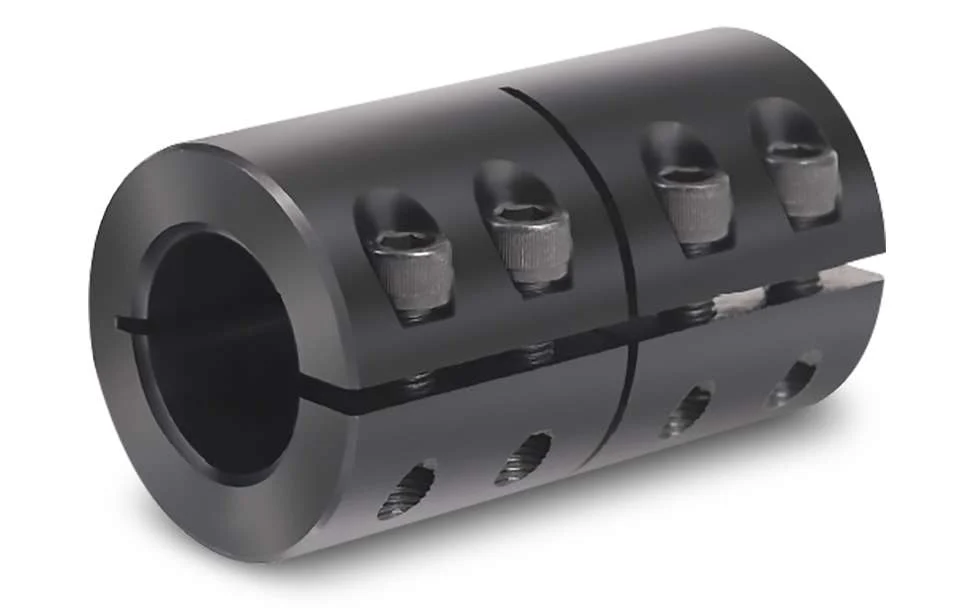
The two-piece rigid couplings consist of two halves that are bolted together around the shafts, creating a tight and secure connection. These couplings allow for easier installation and removal without the need to move the connected shafts. They are commonly used in applications where frequent maintenance is required.
The design of rigid shaft couplings enables them to handle high torque loads efficiently. The solid and rigid construction allows for the direct transfer of torque from one shaft to another, minimizing power loss and ensuring precise torque transmission.
Moreover, rigid couplings can accommodate different shaft sizes by offering various bore diameters and keyway options. This adaptability allows users to connect shafts of different diameters without the need for additional modifications or couplings.
However, it is crucial to select the appropriate size and type of rigid coupling based on the specific application’s torque requirements and shaft sizes. Properly sized rigid couplings will ensure reliable and efficient power transmission while preventing issues such as misalignment, vibration, and premature wear.
How do rigid shaft couplings compare to flexible couplings in terms of torque transmission and misalignment handling?
Rigid shaft couplings and flexible couplings differ in their ability to handle torque transmission and misalignment. Here’s a comparison of these aspects:
- Torque Transmission: Rigid shaft couplings offer excellent torque transmission due to their solid construction. They efficiently transmit high torque loads without significant power loss. Flexible couplings, on the other hand, may have some inherent power loss due to their flexibility.
- Misalignment Handling: Flexible couplings excel in compensating for misalignment between shafts. They can accommodate angular, parallel, and axial misalignments, reducing stress on connected equipment. Rigid couplings are limited in their misalignment compensation, primarily handling minimal misalignments. Significant misalignment can lead to increased wear and premature failure.
The choice between rigid and flexible couplings depends on the specific requirements of the application. If precise torque transmission and minimal misalignment are priorities, rigid couplings may be suitable. However, if misalignment compensation and vibration dampening are crucial, flexible couplings are a better option.
What are the Materials Commonly Used to Manufacture Rigid Shaft Couplings, and How Do They Impact Performance?
Rigid shaft couplings are typically made from a variety of materials, and the choice of material can significantly impact the performance of the coupling in specific applications. Some common materials used in manufacturing rigid shaft couplings include:
- Steel: Steel is one of the most commonly used materials for rigid shaft couplings. It offers excellent strength and durability, making it suitable for high-torque and heavy-duty applications. Steel couplings can withstand significant stresses and provide reliable torque transmission.
- Stainless Steel: Stainless steel couplings offer the same benefits as regular steel couplings but with the added advantage of corrosion resistance. They are commonly used in applications where the coupling may be exposed to harsh environments or moisture.
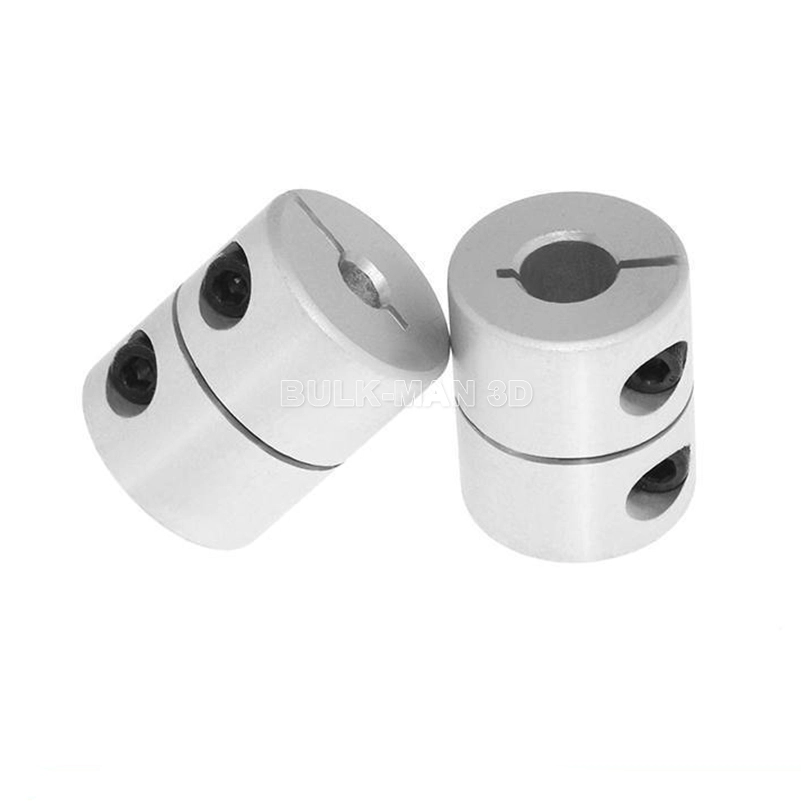
- Aluminum: Aluminum couplings are lightweight and have good corrosion resistance. They are often used in applications where weight reduction is essential, such as in aerospace and automotive industries.
- Brass: Brass couplings are known for their excellent machinability and corrosion resistance. They are commonly used in applications where electrical conductivity is required.
- Cast Iron: Cast iron couplings are robust and offer good resistance to wear and tear. They are commonly used in industrial machinery and equipment.
The choice of material depends on various factors, including the application’s operating conditions, such as torque requirements, temperature, and environmental conditions. For example, in high-torque applications, steel or stainless steel couplings are often preferred due to their high strength. On the other hand, aluminum couplings are favored in applications where weight reduction is critical.
It is essential to consider the specific needs of the application and the coupling’s material properties to ensure optimal performance, longevity, and reliability of the rigid shaft coupling.


editor by CX 2024-02-17