Product Description
Product Description
Three bolts flexible conduit to rigid pipe couplings
Material: SS304, SS316, SS316L, Zinc Alloy
Suitable Conduit Size: Φ10(5/16″)- Φ150(6″)
Suitable Pipe Size:
Thin Wall Pipe: DN12(1/2″)-DN80(3″)
Thick Wall Pipe: DN10(5/16″)-DN150(6″)
Usage: Connecting flexible conduit and rigid pipes without thread at ends.
Specification: Other sizes can be customized.
| Item No. | Flexible Conduit Size | Thin Wall Rigid Pipe Size | Thick Wall Rigid Pipe Size | |||||||
| Metric | Inch | Metric | Inch | O.D(mm) | W.T (mm) | Metric | Inch | O.D(mm) | W.T (mm) | |
| SSC-10 | Φ10 | 5/16″ | DN12 | 1/2″ | 12.76 | 1.60 | DN10 | 5/16″ | – | – |
| SSC-12 | Φ12 | 3/8″ | DN15 | 5/8″ | 15.87 | 1.60 | DN12 | 3/8″ | 17.00 | 2.25 |
| SSC-15 | Φ15 | 1/2″ | DN20 | 3/4″ | 19.05 | 1.60 | DN15 | 1/2″ | 21.25 | 2.75 |
| SSC-20 | Φ20 | 3/4″ | DN25 | 1″ | 25.40 | 1.80 | DN20 | 3/4″ | 26.75 | 2.75 |
| SSC-25 | Φ25 | 1″ | DN32 | 1-1/4″ | 31.75 | 1.80 | DN25 | 1″ | 33.50 | 3.25 |
| SSC-32 | Φ32 | 1-1/4″ | DN40 | 1-1/2″ | 38.10 | 1.80 | DN32 | 1-1/4″ | 42.25 | 3.25 |
| SSC-38 | Φ38 | 1-1/2″ | DN50 | 2″ | 50.80 | 2.00 | DN40 | 1-1/2″ | 48.00 | 3.50 |
| SSC-51 | Φ51 | 2″ | DN70 | 2-1/2″ | 63.50 | 2.50 | DN50 | 2″ | 60.00 | 3.50 |
| SSC-64 | Φ64 | 2-1/2″ | DN80 | 3″ | 76.20 | 3.20 | DN70 | 2-1/2″ | 75.50 | 3.75 |
| SSC-75 | Φ75 | 3″ | DN80 | 3″ | 88.50 | 4.00 | ||||
| SSC-100 | Φ100 | 4″ | DN100 | 4″ | 114.00 | 4.00 | ||||
| SSC-125 | Φ125 | 5″ | DN125 | 5″ | 140.00 | 4.50 | ||||
| SSC-150 | Φ150 | 6″ | DN150 | 6″ | 165.00 | 4.50 | ||||
1. Made of stainless steel material to increase corrosive resistance and durability.
2. All metal parts can be made of stainless steel material.
3. Smooth inner surface keep cables and wires away from abrasion.
4. Widely used for connecting flexible conduit to rigid pipe without threads.
5. Many specifications are available.
6. Suitable for many different types of flexible conduits
7. Other types of electrical conduit fitting.
8. OEM and ODM are welcome.
Packaging & Shipping
1. All fittings will be put into plastic bags to keep moisture away.
2. All bags of fittings will be put into cartons.
3. All cartons of fittings will be put on wooden pallet or in wooden cases, to suitable for long distance shipping.
4. Shipping medthods are very flexible, by express, by air, by sea, by truck, by railway, any medthod you need will be met.
Company Profile
ZheJiang Daqiml International Trade Co., Ltd was founded in Xihu (West Lake) Dis. New Area High-tech Area of ZheJiang in April 2017, we are specialized in researching, making and selling pipe fittings, fasteners, electrical pipes, cable glands and other electrical enclosures. Main products are straight/90 degree/45 degree liquid tight connectors, metal cable glands, PVC coated steel conduits, interlocked flexible conduit with PVC coated, stainless steel braided flexible conduits, stainless steel straight/90 degree cable glands, pipe clamps, U-bolts, and so on. Products are widely used in electrical supporting equipment, mechanical engineering, automation engineering, communication engineering, rail transit, petrochemical industry, offshore platform, central air-conditioning, and so on. With high quality and good price, our products have been exported to many different countries. Meantime, our company can design and make products to meet customers’ real demand, as well as representative service of importing and exporting products.
Integrity and credibility, and continuous innovation is as company’s core values.People here are full of passion, creativity and implementation capacity, we always devote ourselves to provide the best quality products and service to each customer.
/* March 10, 2571 17:59:20 */!function(){function s(e,r){var a,o={};try{e&&e.split(“,”).forEach(function(e,t){e&&(a=e.match(/(.*?):(.*)$/))&&1
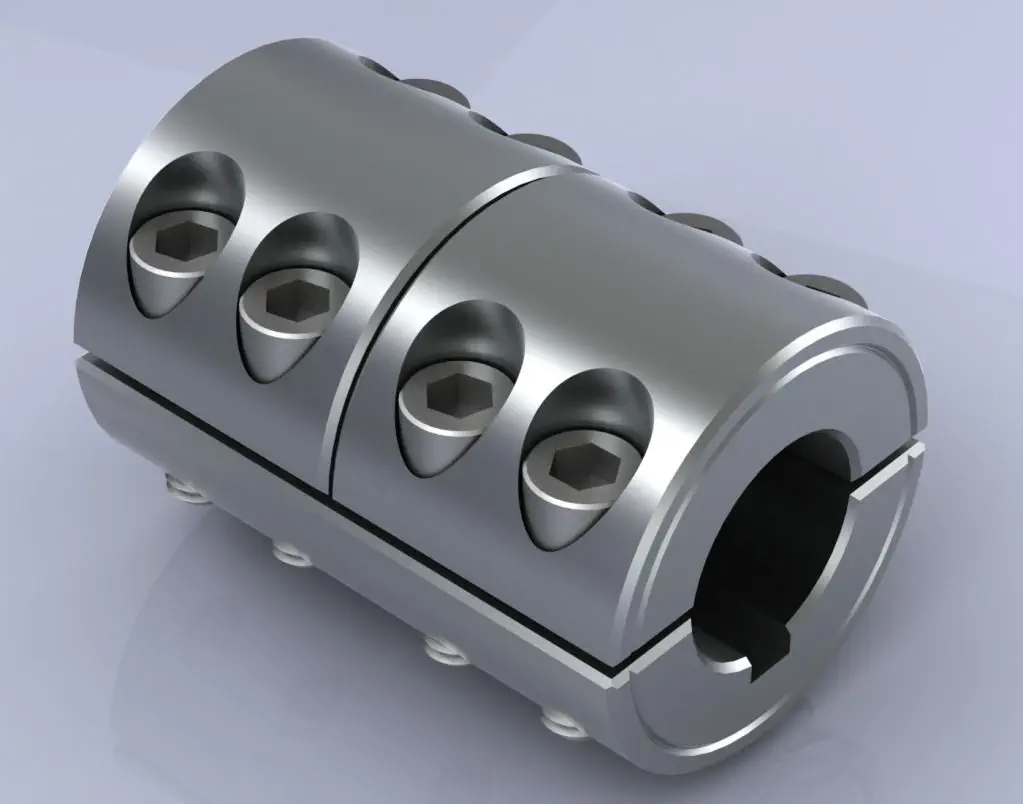
Industry Standards and Certifications for Rigid Shaft Couplings
Yes, there are industry standards and certifications that apply to rigid shaft couplings to ensure their quality, performance, and safety. Some of the common standards and certifications include:
- ISO 14691: This International Organization for Standardization (ISO) standard specifies the requirements and dimensions for metallic straight-toothed rigid couplings with external clamping for shaft connections.
- ANSI/AGMA 9002-C16: The American Gear Manufacturers Association (AGMA) standard covers measurement methods for evaluating the torsional stiffness of rigid couplings.
- API 671: This American Petroleum Institute (API) standard applies to special-purpose couplings used in petroleum, chemical, and gas industry services, ensuring reliable operation and safety.
- DNV GL: Rigid couplings used in marine and offshore applications may require certification from DNV GL, an international accredited registrar and classification society.
- ATEX: For couplings used in explosive atmospheres, compliance with the ATEX directive is crucial to ensure that the coupling does not become a source of ignition.
When selecting a rigid shaft coupling, it is essential to look for products that comply with these relevant industry standards and certifications. Meeting these standards guarantees that the couplings have undergone rigorous testing and adhere to recognized quality and safety guidelines.
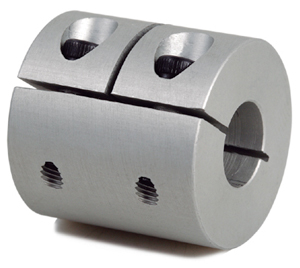
Can rigid shaft couplings reduce vibrations and noise in mechanical systems?
Rigid shaft couplings are primarily designed for accurate torque transmission and shaft alignment. While they are not specifically intended to reduce vibrations and noise, they can indirectly contribute to minimizing vibrations and noise in mechanical systems.
Here’s how rigid shaft couplings can help mitigate vibrations and noise:
- Shaft Alignment: Rigid couplings ensure precise alignment between connected shafts. Proper alignment reduces angular and axial misalignment, which can lead to vibrations and noise. By maintaining alignment, rigid couplings prevent the generation of excessive forces that contribute to vibration.
- Reduced Dynamic Imbalance: Accurate alignment achieved by rigid couplings helps in minimizing dynamic imbalance, which is a common cause of vibrations. When shafts are misaligned, it can lead to uneven distribution of forces and create vibrations in rotating machinery.
- Minimized Wear: Rigid couplings prevent misalignment-induced wear and excessive friction between shafts. This helps in reducing the potential for vibration-producing irregularities that can arise from worn or damaged components.
- Stable Connection: Rigid couplings create a solid and stable connection between shafts. This stability minimizes the likelihood of resonances and vibrations caused by flexible components that might amplify vibrations in the system.
- Uniform Torque Transmission: Rigid couplings facilitate even torque distribution between shafts. Uneven torque transmission can lead to fluctuations and vibration-causing oscillations in the system.
While rigid couplings can provide some indirect benefits in reducing vibrations and noise, they might not be as effective as specialized vibration-damping couplings or other mechanical solutions explicitly designed for vibration and noise reduction. In cases where vibration and noise reduction are critical, engineers might consider incorporating additional measures such as damping materials, flexible couplings, or vibration isolators.
Ultimately, the choice of coupling and vibration reduction strategy depends on the specific requirements of the application. If vibration and noise reduction are primary concerns, it’s advisable to consult with engineering experts and consider coupling designs that prioritize these attributes.
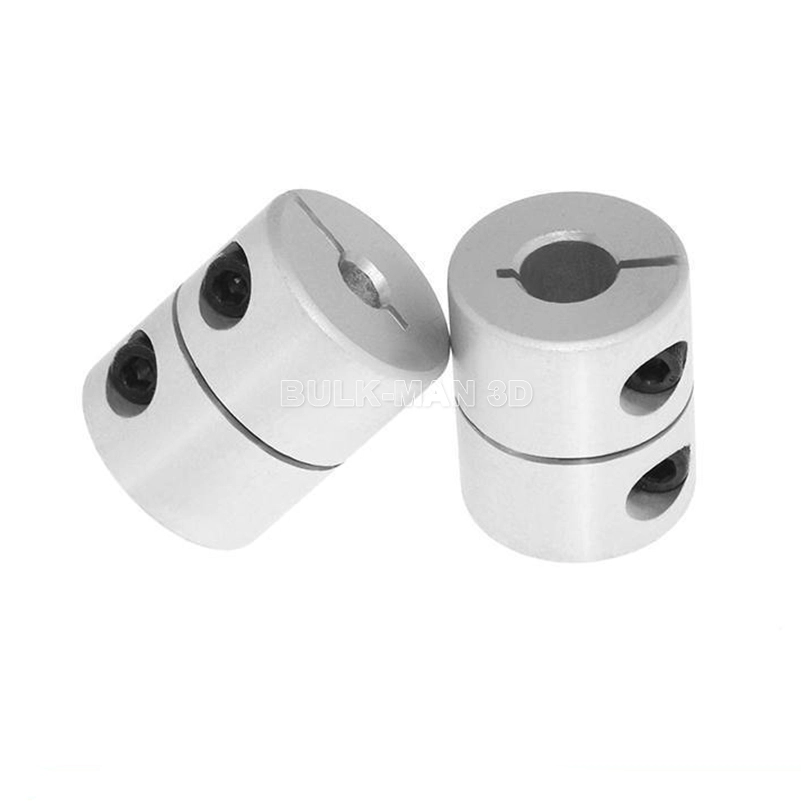
What are the Materials Commonly Used to Manufacture Rigid Shaft Couplings, and How Do They Impact Performance?
Rigid shaft couplings are typically made from a variety of materials, and the choice of material can significantly impact the performance of the coupling in specific applications. Some common materials used in manufacturing rigid shaft couplings include:
- Steel: Steel is one of the most commonly used materials for rigid shaft couplings. It offers excellent strength and durability, making it suitable for high-torque and heavy-duty applications. Steel couplings can withstand significant stresses and provide reliable torque transmission.
- Stainless Steel: Stainless steel couplings offer the same benefits as regular steel couplings but with the added advantage of corrosion resistance. They are commonly used in applications where the coupling may be exposed to harsh environments or moisture.
- Aluminum: Aluminum couplings are lightweight and have good corrosion resistance. They are often used in applications where weight reduction is essential, such as in aerospace and automotive industries.
- Brass: Brass couplings are known for their excellent machinability and corrosion resistance. They are commonly used in applications where electrical conductivity is required.
- Cast Iron: Cast iron couplings are robust and offer good resistance to wear and tear. They are commonly used in industrial machinery and equipment.
The choice of material depends on various factors, including the application’s operating conditions, such as torque requirements, temperature, and environmental conditions. For example, in high-torque applications, steel or stainless steel couplings are often preferred due to their high strength. On the other hand, aluminum couplings are favored in applications where weight reduction is critical.
It is essential to consider the specific needs of the application and the coupling’s material properties to ensure optimal performance, longevity, and reliability of the rigid shaft coupling.


editor by CX 2024-02-18
China Professional Mh Pin Shaft Universal Steel Trailer Rigid Flexible Couplings Jaw HRC
Product Description
Product Description
Chain coupling is composed by a duplex roller chain and 2 sprockets. The function of connection and detachment is done by the joint of chain. It has the characteristic of simplicity, high efficiency, easy – on and easy-off and nice out-look.
It also has a aluminium cover to prevent dust and protect the lubricant and make the life of chain coupling a long – lasting one
Detailed Photos
Product Parameters
Our Advantages
Company advantages:
Own Import & Export License, The TV trade mark registered successfully in many countries, Sales network spread all over China, Products export to 65 countries in 5 continents.
Membership:
1. The member of China General Machine Components Industry Association.
2. The member of China Chain Transmission Association.
3. The member of China Chain Standardization Association.
4. The member of China Agricultural Association Machinery Manufacturers.
With our excellent trained staffs and workers, advanced and efficient equipments, completely sales network, strict QA systems. You are confidence that our premium qualified chain can meet all customers’ specification and strictest quality standards.
WHY CHOOSE US
Comprehensive Product Portfolio We produce and supply a wide range of power transmission
products including drive chains, leaf chains, conveyor chains, agricultural chains, sprockets, and
couplings. This one-store-for-all shopping experience will significantly reduce your searching costs while
guarantee youfind what you want at 1 click.
Value Choice Products Our products are the best combination of quality and price, and you get what
you want within your budgets
Seasoned Sales Associates and Engineers We have 15 seasoned sales associates and 5 engineers;
on our team at your disposal any time when you need a helping hand. They are well trained with industry
know-now and will always respond to your requests within 24 hours.
100% Customer Retention Rate Our regular customers from overseas come back not just for our
premium quality products, but for the superior services that we’ve provided over the years.
FAQ
Q1: What’s your average lead time?
A: It varies. Our regular end-to-end lead time is 1-2 months.. We also provide express shipments for rush orders. For details,please consult our sales associate.
Q2: Is your price better than your competitors given the same quality?
A: Definitely YES. We provide the most competitive price in the power transmission industry. If price disparity exists, we’ll be more than happy to do a price match.
Q3: Can you make chains according to my CAD drawings?
A: Yes. Besides the regular standard chains, we produce non-standard and custom-design products to meet the specific technical requirements. In reality, a sizable portion of our production capacity is assigned to make non-standard products.
Q4: Can we inspect the goods before shipment?
A: Yes. You or your representative or any third-party inspection party assigned is allowed access to our facility and do the inspection.
Q5: What kind of payment method is acceptable for your mill?
A: We’re flexible. We take T/T, L/C, or any other online payment methods so long as it’s applicable for you.
Q6: What if I have any other questions?
A: Whenever in doubt, you’re always encouraged to consult our sales associate any time – They will help you to your satisfaction.
/* March 10, 2571 17:59:20 */!function(){function s(e,r){var a,o={};try{e&&e.split(“,”).forEach(function(e,t){e&&(a=e.match(/(.*?):(.*)$/))&&1
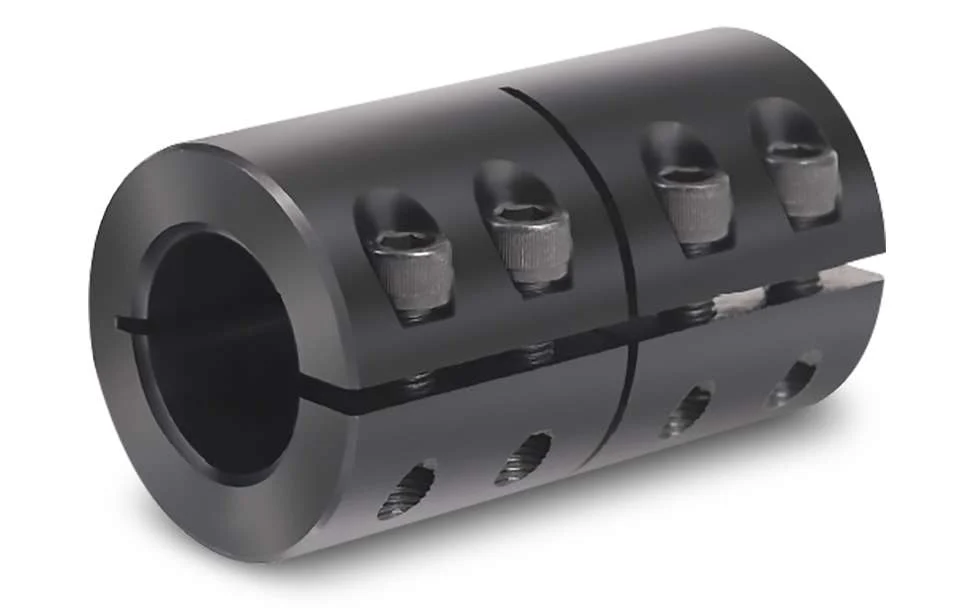
Can Rigid Shaft Couplings Accommodate Different Shaft Sizes and Handle High Torque Loads?
Yes, rigid shaft couplings are designed to accommodate different shaft sizes and are capable of handling high torque loads. One of the key advantages of rigid couplings is their ability to provide a solid and strong connection between two shafts.
Rigid shaft couplings come in various designs, such as one-piece and two-piece configurations. The one-piece couplings have a solid construction with no moving parts and are ideal for applications where precise alignment and torque transmission are essential.
The two-piece rigid couplings consist of two halves that are bolted together around the shafts, creating a tight and secure connection. These couplings allow for easier installation and removal without the need to move the connected shafts. They are commonly used in applications where frequent maintenance is required.
The design of rigid shaft couplings enables them to handle high torque loads efficiently. The solid and rigid construction allows for the direct transfer of torque from one shaft to another, minimizing power loss and ensuring precise torque transmission.
Moreover, rigid couplings can accommodate different shaft sizes by offering various bore diameters and keyway options. This adaptability allows users to connect shafts of different diameters without the need for additional modifications or couplings.
However, it is crucial to select the appropriate size and type of rigid coupling based on the specific application’s torque requirements and shaft sizes. Properly sized rigid couplings will ensure reliable and efficient power transmission while preventing issues such as misalignment, vibration, and premature wear.
Can rigid shaft couplings be used for shafts with different rotational speeds and directions?
Rigid shaft couplings are typically designed for applications where the connected shafts have the same rotational speed and direction. They are not well-suited for scenarios involving significant speed differences or reverse rotation between shafts. The limitations arise from the coupling’s rigid construction, which does not allow for the compensation of speed differentials or changes in direction.
When shafts have different rotational speeds or need to rotate in opposite directions, it can result in uneven loading, increased wear, vibrations, and even coupling failure. Rigid couplings lack the flexibility required to accommodate the variations in speed and direction, which can lead to undesirable consequences in the system.
If your application involves shafts with varying speeds or reverse rotation, it’s recommended to explore flexible coupling options. Flexible couplings, such as gear couplings, elastomeric couplings, or universal joints, are designed to handle these situations by providing a degree of angular and radial flexibility. These couplings can help distribute the loads more evenly, reduce vibrations, and compensate for speed differences, ultimately contributing to smoother and more reliable operation.
It’s essential to accurately assess the requirements of your application and choose the appropriate coupling type based on the specific operational conditions. If there are varying speeds or reverse rotation involved, opting for flexible couplings designed for such scenarios will help ensure the longevity, efficiency, and performance of your machinery.
What is a Rigid Shaft Coupling and How Does It Work in Mechanical Systems?
A rigid shaft coupling is a type of coupling used to connect two shafts together in a mechanical system. As the name suggests, it is designed to provide a rigid and solid connection between the shafts, without any flexibility or misalignment compensation.
The primary function of a rigid shaft coupling is to transmit torque from one shaft to another efficiently and with minimal backlash. It achieves this by directly connecting the two shafts using a rigid mechanical interface.
Rigid shaft couplings typically consist of two halves with flanges that are bolted or clamped together around the shaft ends. The flanges are precision machined to ensure accurate alignment of the shafts. Some common types of rigid shaft couplings include:
- Sleeve Couplings: These are the simplest type of rigid couplings and consist of a cylindrical sleeve with a bore that fits over the shaft ends. The two shafts are aligned and then secured together using screws or pins.
- Clamp or Split Couplings: These couplings have two halves that are split and bolted together around the shafts. The split design allows for easy installation and removal without the need to disassemble other components of the system.
- Flanged Couplings: Flanged couplings have two flanges with precision machined faces that are bolted together, providing a robust connection.
- Tapered Bushing Couplings: These couplings use a tapered bushing to lock the coupling onto the shafts, creating a secure and concentric connection.
Rigid shaft couplings are commonly used in applications where precise alignment is critical, such as in high-speed machinery, precision instruments, and power transmission systems. Since they do not have any flexibility, they are best suited for applications where shaft misalignment is minimal or can be controlled through accurate alignment during installation.
One of the main advantages of rigid shaft couplings is their ability to provide a direct and efficient transfer of torque, making them suitable for high-torque and high-speed applications. Additionally, their simple design and solid connection make them easy to install and maintain.
However, it’s essential to ensure proper alignment during installation to prevent premature wear and stress on the shafts and other components. In cases where misalignment is expected or unavoidable, flexible couplings like beam couplings, bellows couplings, or jaw couplings are more appropriate, as they can compensate for small misalignments and provide some degree of shock absorption.
editor by CX 2024-02-11