Description
SL70 SL Type Oldham Coupling – 15–18mm Bore 70mm OD Radial Misalignment Compensating Drive Shaft Coupling
The SL70 SL Type Oldham coupling is a three-component sliding-block coupling designed for connecting two coaxial drive shaft lines where significant radial displacement between shaft centrelines must be accommodated without transmitting radial load to the connected equipment bearings. With a nominal torque rating of 120 N·m at 250 rpm maximum speed, 70 mm outer diameter, and a bore range of 15–18 mm, the SL70 serves drive connections in the full range of industrial machinery — from medium-duty pump and fan drives to large-scale industrial processing equipment. The radial displacement compensation of 0.6 mm, angular compensation of 0.5°, and axial accommodation of 1.2 mm make the SL Type one of the most flexible misalignment-compensating couplings available at this torque level.
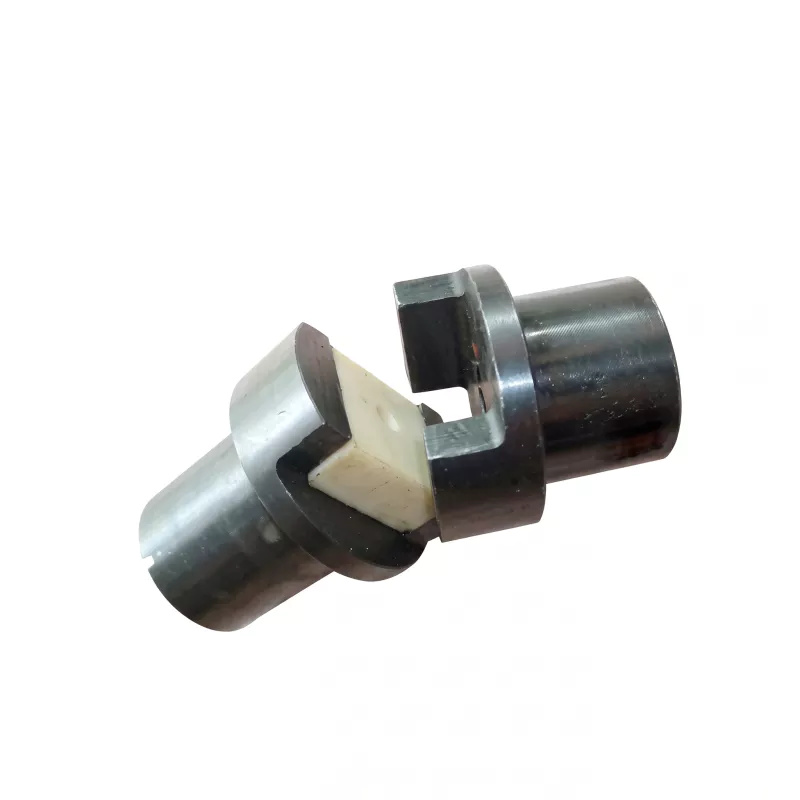
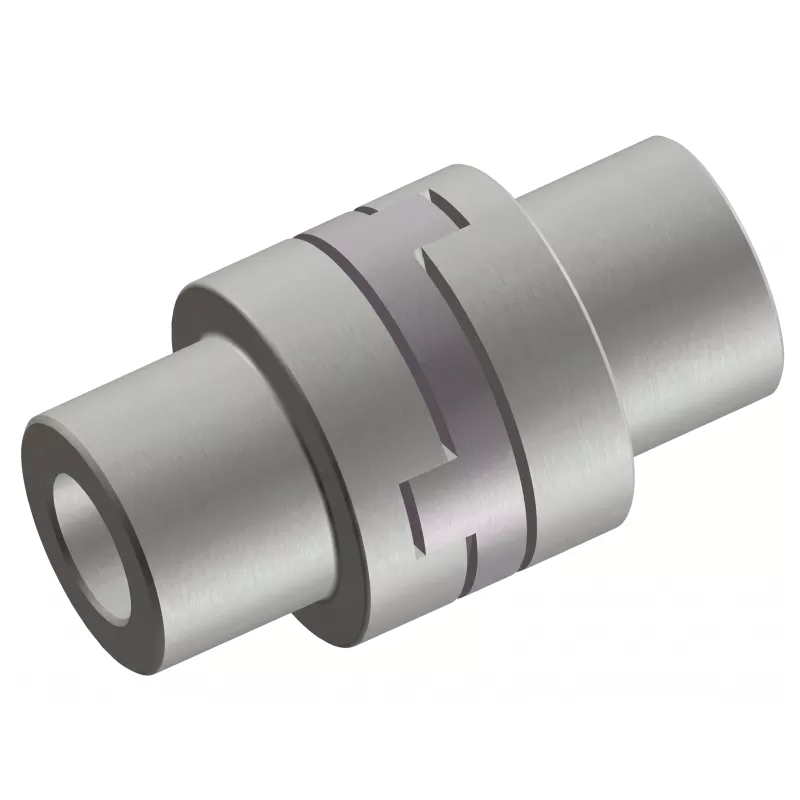
The SL Type coupling operates through a three-piece sliding-block mechanism: two identical cast iron flanged hubs, each mounted on one shaft, and a central polymer (or metal) slider block that engages with both hubs simultaneously through tongue-and-groove interfaces positioned at 90° to each other. Torque is transmitted from the driving hub through the tongue-groove contact to the slider block, and from the slider block to the driven hub through the second pair of tongue-groove faces. Radial misalignment between the shaft centrelines is absorbed by sliding movement of the block within the hub grooves — the block translates in the plane perpendicular to the shaft axis as the coupling rotates, compensating for the offset continuously during operation. This mechanism produces a uniform angular velocity transmission — unlike some other misalignment-compensating coupling types that introduce cyclic velocity variation.
The slider block is a replaceable wear element. At planned maintenance intervals, the block can be inspected for wear and replaced without removing either hub from its shaft, minimising maintenance downtime. Full series documentation and application guidance are available on our product catalog page.
Technical Specifications
| Parameter | Value |
|---|---|
| Model | SL70 |
| Type | SL Type Oldham (Sliding-Block) Coupling |
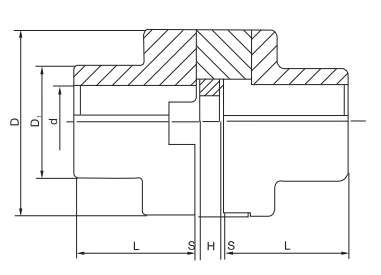
| Bore Range (d) | 15–18 mm |
| Outer Diameter (D) | 70 mm |
| Inner Diameter (D₁) | 32 mm |
| Overall Length (L) | 42 mm |
| Hub Width (H) | 14 mm |
| Slider Width (S) | 0.5 mm |
| Nominal Torque (Tn) | 120 N·m |
| Maximum Speed [n] | 250 rpm |
| Radial Compensation (Δy) | 0.6 mm |
| Angular Compensation (Δa) | 0.5° |
| Axial Compensation (Δx) | 1.2 mm |
| Rotational Inertia | 0.002 kg·m² |
| Mass | 1.5 kg |
Dimension Reference
Coupling Assembly and Slider Block
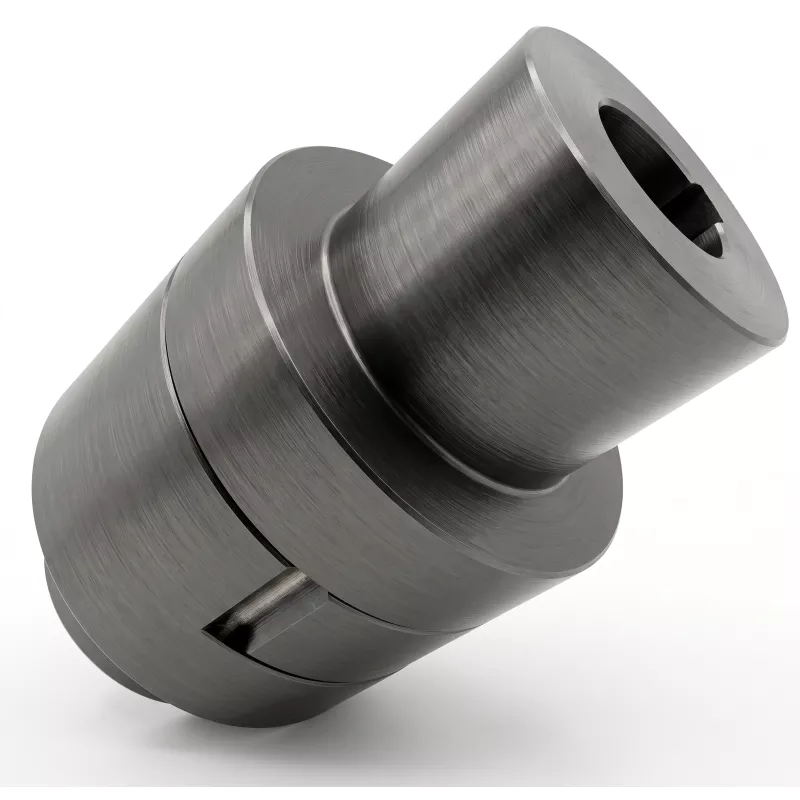
The SL70 slider block engages the two hub faces through precision-machined tongue-and-groove features. The tongue dimensions and groove clearances are controlled to minimise backlash while providing the sliding freedom needed for misalignment compensation. The standard slider block material is an engineering polymer selected for low friction, adequate compressive strength at the operating torque, and dimensional stability across the rated temperature range of -20°C to +70°C. For higher-load or elevated-temperature applications, a metal slider block is available.
Large Radial Compensation
0.6 mm radial offset compensation eliminates the need for precision motor-to-driven equipment alignment on most plant installations, significantly reducing commissioning time and equipment cost.
Constant Velocity Transmission
The Oldham mechanism maintains constant angular velocity ratio between input and output shafts at all rotational positions — unlike universal joint couplings which produce cyclic velocity variation proportional to operating angle.
Replaceable Wear Element
The slider block is the only wear element in the coupling. It can be inspected and replaced without removing either hub from its shaft, minimising maintenance downtime and hub replacement cost.
No Radial Force Transmission
The sliding mechanism absorbs shaft offset without transmitting significant radial forces to the connected shaft bearings — protecting motor bearings and driven equipment bearings from misalignment-induced overload.
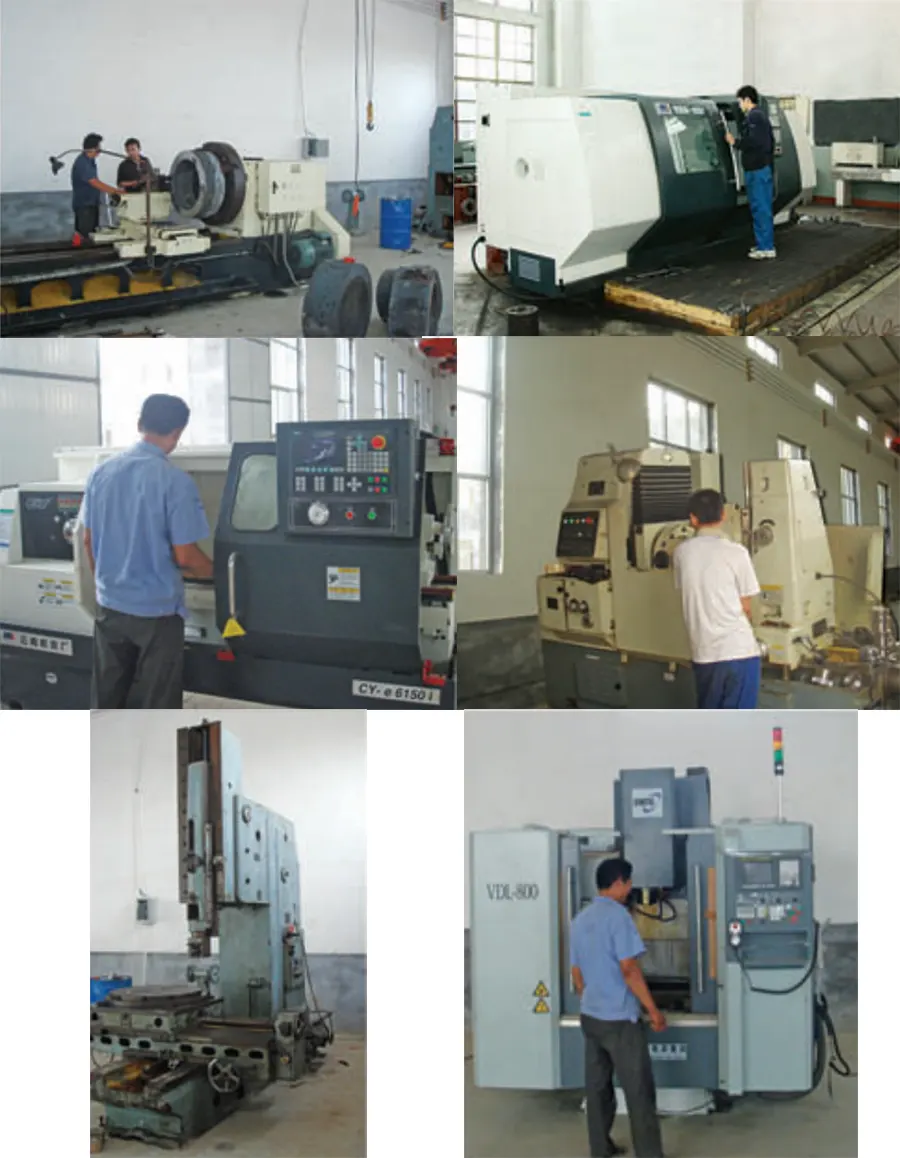
Manufacturing and Quality
Typical Applications
- Motor to pump shaft connections — accommodating baseplate assembly offset without precision alignment requirements
- Drive motor to fan impeller shaft connections — radial compensation for motor mounting offset on fan housings
- Conveyor drive head shaft connections — coupling misalignment from modular frame assembly tolerances
- Mixing equipment drive connections — motor to agitator shaft offset in skid-mounted mixer drives
For enquiries about large volume supply or custom bore configurations, visit our contact page.
Customer Reviews and Case Studies
★★★★★
Germany — Textile Machinery OEM
We connect drive motors to textile feed rollers using SL70 Oldham couplings throughout our weaving machine product line. The radial misalignment compensation of 0.6 mm is sufficient to accommodate minor shaft offset from assembly tolerances without loading the motor bearings. Reliable at our 250 rpm continuous duty.
— Design Engineer, Düsseldorf
★★★★★
Japan — Laboratory Instrument Manufacturing
Specified for precision analytical instrument drives where minor shaft offset must not transmit radial force to the instrument’s precision bearings. The SL70 isolates the motor from the driven shaft at our low operating speed.
— Instrument Engineer, Tokyo
★★★★☆
Australia — Packaging Machinery
Used in small-format packaging machine feed drive connections. The Oldham coupling accommodates the assembly tolerances of our modular packaging units reliably.
— Mechanical Engineer, Melbourne
Frequently Asked Questions
What is the operating principle of an SL Type Oldham coupling?
The SL Type coupling is a three-component sliding-block Oldham coupling consisting of two flanged hubs and a central intermediate sliding element (slider block). The slider block has two sets of tongue-and-groove features positioned at 90° to each other, engaging with matching grooves in each hub face. Torque is transmitted through the sliding engagement between the tongues and grooves, while relative radial displacement between the two shafts is accommodated by sliding movement of the block within the hub grooves.
What radial misalignment compensation does the SL Type coupling provide?
The radial misalignment compensation varies by model size: from 0.6 mm for SL70 to 8.0 mm for SL460. This represents the maximum allowable parallel offset between the two shaft centrelines during operation. Exceeding this limit increases sliding contact stress on the intermediate block and reduces coupling service life.
What is the angular misalignment limit for the SL Type coupling?
The SL Type coupling is rated to 0.5° maximum angular misalignment across all model sizes. This is the angle between the two shaft centrelines in any plane. Operating at the angular limit simultaneously with maximum radial compensation is not recommended — reduce one parameter when the other is at its limit.
What material is the slider block (intermediate element) made from?
The slider block is typically made from engineering polymer (nylon or similar) or cast iron depending on the model size and operating conditions. The polymer slider provides low-friction sliding characteristics and self-lubrication for dry operation. For high-load or high-temperature applications, a metal slider may be specified.
Does the SL Type coupling require lubrication?
Standard polymer slider blocks are self-lubricating and require no external lubrication under normal operating conditions. For metal slider versions or for applications at extreme temperatures or loads, periodic lubrication of the tongue-and-groove contact surfaces is recommended. Refer to the maintenance documentation for your specific model.
Enquire About the SL70 SL Type Oldham Coupling
Ever Power manufactures the SL70 and the complete SL Type coupling range — 17 sizes from SL70 to SL460 — direct from our production facility. Provide your bore diameter, operating torque, shaft speed, and misalignment data for a prompt technical and commercial response.