
Rigid Shaft Couplings
Built to Transfer Power.
Not Compromise.
Ever Power supplies precision rigid shaft couplings — flange, sleeve, clamping, micro rigid, locking assembly, and Oldham types — engineered to GB and ISO standards, shipped to buyers in over 60 countries.
Export Coverage
Not a Trader
Certified Standards
Industry Experience
Product Range
Complete Rigid Coupling Solutions
From heavy-duty flanged couplings rated to 20,000 N·m, to micro rigid couplings as compact as 16 mm — our full range is stocked and ready for global dispatch. View full catalog.
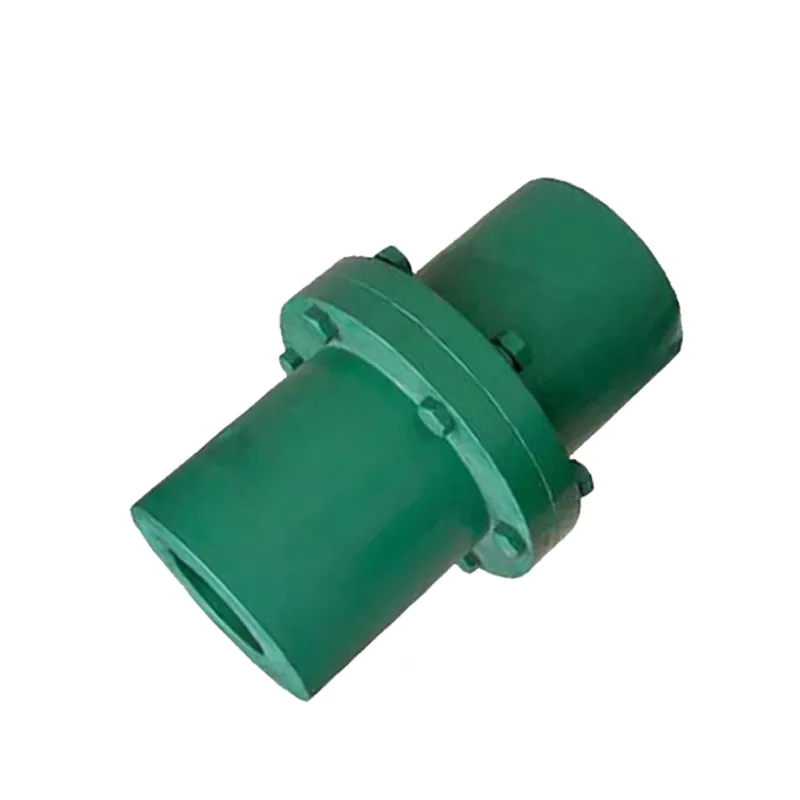
YL · YLD · GY · GYS · GYH Series
Flange Coupling
The most widely deployed rigid shaft coupling type for pump-motor sets, compressors, and gearbox connections. Rigid, precise, and available in cast iron or steel to GB 5843 / GB/T 5843-2003 standard.
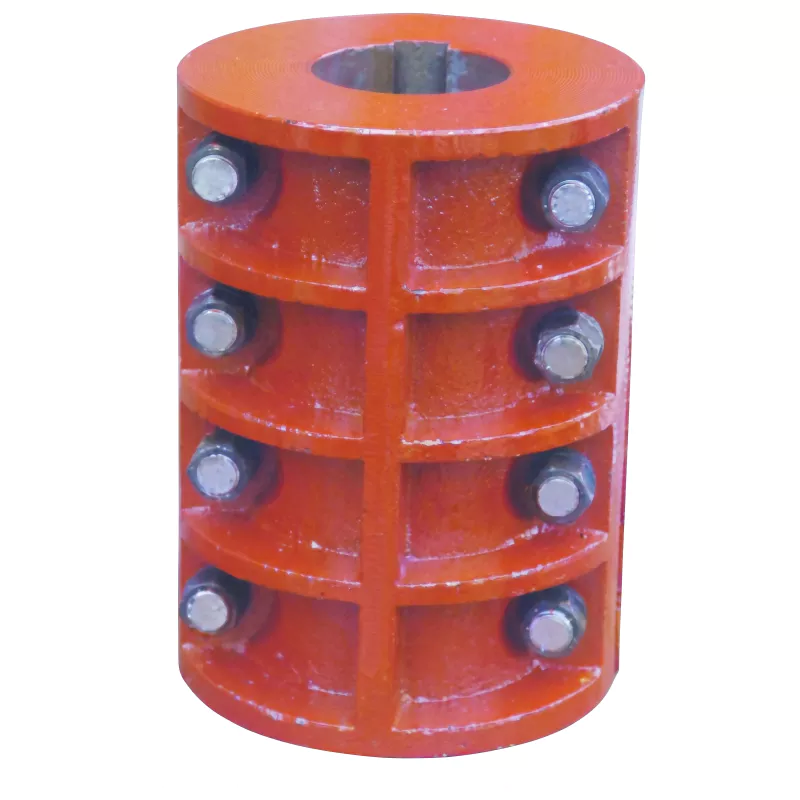
JQ Series
Clamping Coupling
Split-shell rigid clamping coupling for reactor agitator shaft connections. No axial movement required for installation — ideal when disassembly clearance is restricted on vertical reducers.
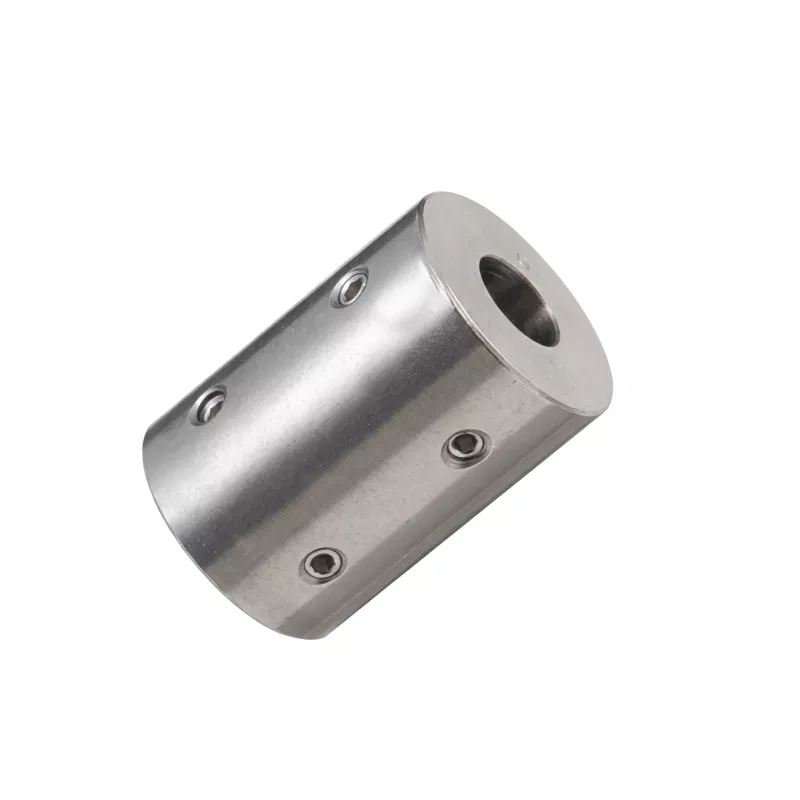
GT Series
Sleeve Coupling
Compact, one-piece rigid sleeve coupling transmitting torque via key, spline, or taper pin. Low radial footprint and straightforward installation make this the preferred choice for light-load, stable-running shaft pairs.
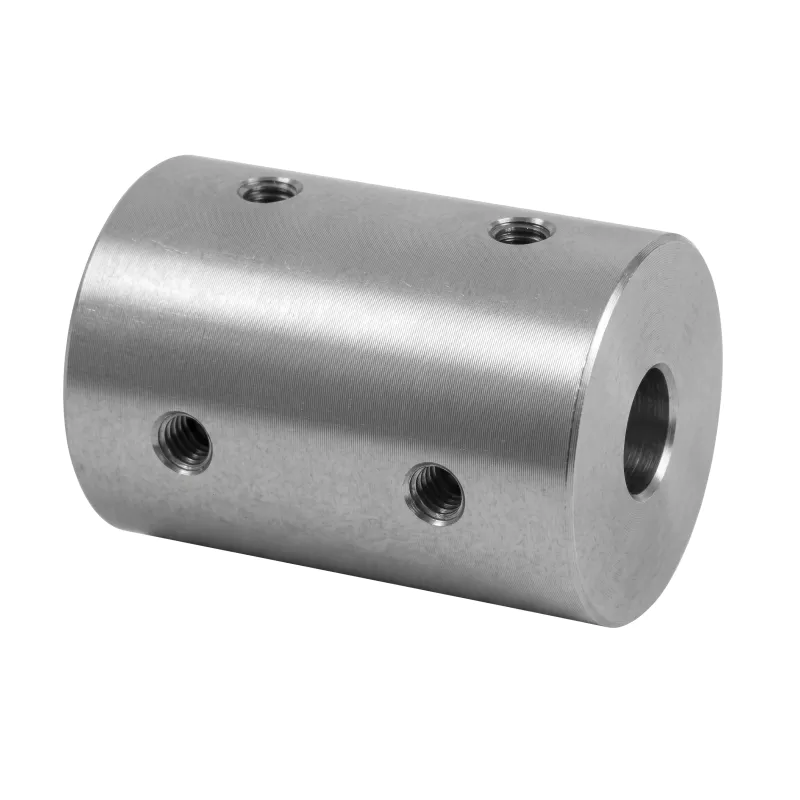
TS7 · TS7C Series
Micro Rigid Coupling
Setscrew-type (TS7) and clamp-type (TS7C) miniature rigid couplings in aluminum alloy or stainless steel. Ultra-low inertia and high torsional stiffness for servo motors, encoders, and precision automation shafts.
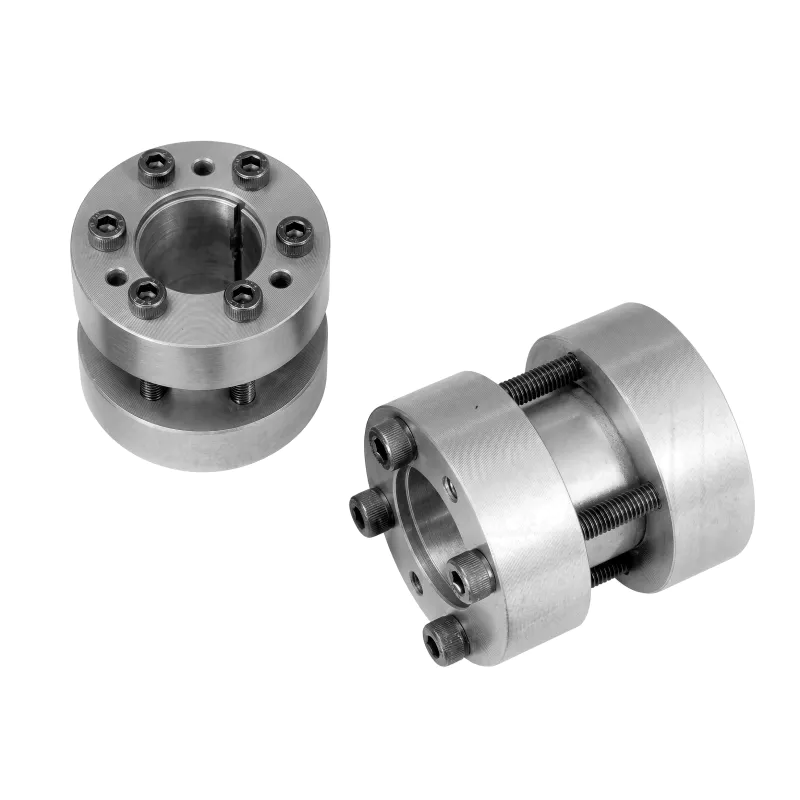
TS7Z Series
Locking Assembly (Rigid)
Conical taper locking assembly that generates radial pressure to lock hub to shaft without keyways. Replaces couplings in heavy-duty mechanical transmissions where shaft diameter and precision match — ideal for long shaft-to-hub joints.
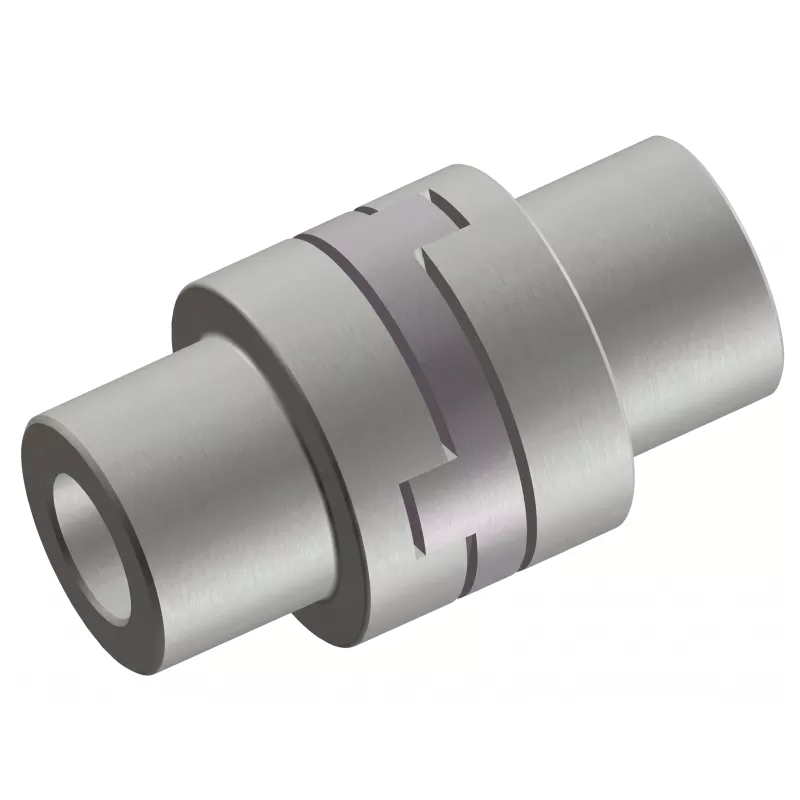
SL · WH Series
Oldham (Sliding-Block) Coupling
Cross-sliding block design compensates for radial shaft offset between two coaxial shafts. SL series covers torque from 120 to 63,000 N·m; WH series handles lighter applications with damping and cushioning performance.
Why Ever Power
What Sets Our Rigid Couplings Apart
We combine engineering depth, manufacturing control, and international trade experience so your procurement runs smoothly from first inquiry to delivery on site.
Factory-Direct Pricing
No middlemen. We manufacture every coupling type in-house, which means competitive ex-works pricing, transparent lead times, and full production traceability on every order — large or small.
Custom Bore & Keyway Machining
Standard shaft bores (Y-type, J-type, J1-type) or non-standard: we machine to your drawing. Specify bore diameter, keyway form and dimensions, hub length, and material grade — we deliver to spec.
GB / ISO Standard Compliance
Our flange couplings conform to GB 5843-86 and GB/T 5843-2003; keyway and bore dimensions follow GB 3852-1997. Material and dimensional certificates available on request for project procurement packages.
Export Packaging & Global Logistics
Over two decades of export practice means every shipment is correctly documented, packed for sea or air freight, and coordinated with your forwarder or ours. We ship EXW, FOB, and CIF worldwide.
In-House Quality Inspection
Bore roundness, keyway width, surface finish, and dynamic balance are verified on our own CMM and balancing equipment before dispatch. Every batch ships with a quality checklist tied to the order number.
Pre-Sales Technical Selection Support
Not sure which coupling series matches your torque, speed, bore, and space requirements? Our engineers work through the application parameters with you and recommend the right model — before you commit to an order.
Applications
Industries We Serve
Rigid shaft couplings from Ever Power operate across demanding environments worldwide. Browse by industry to identify which coupling type your application calls for, or visit our applications page for detailed selection guidance.
Pump & Compressor
The single largest market for rigid flange couplings. Precise shaft alignment, high torque capacity, and zero backlash are non-negotiable in pump-motor drive trains.
Chemical & Agitator
Reactor stirring shafts demand split-shell clamping couplings that install without axial shaft movement — critical when working around sealed vessels.
CNC Machining & Automation
Servo-driven linear axes, rotary tables, and encoder feedback loops depend on zero-backlash micro rigid couplings with ultralow rotational inertia.
Packaging Machinery
High-cycle, precise indexing machines require couplings that hold shaft position under repeated acceleration and deceleration without wear or slippage.
Food & Beverage
Stainless steel rigid couplings meet hygiene requirements in food processing lines, where corrosion resistance and cleanability are as important as torque rating.
Agricultural Machinery
High-torque, low-cost flange and sleeve couplings for PTO-driven equipment, threshers, irrigation pumps, and grain handling conveyors.
Mining & Metallurgy
Heavy-duty flanged and sliding-block couplings that withstand high cyclic torque loads, shock, and extreme operational environments in conveyor and crusher drives.
Water & Wastewater
Corrosion-resistant coupling materials and dependable torque transmission for submersible pump drives, aeration blowers, and sludge handling systems.
Top Sellers
Most Enquired Rigid Coupling Models
Frequently specified models from our catalog, shown with key selection parameters. Contact us for full dimension tables, 3D drawings, or custom bore options.
GY6 / GYS6 / GYH6
Flange Coupling
YL5 / YLD5
Flanged Coupling (GB 5843)
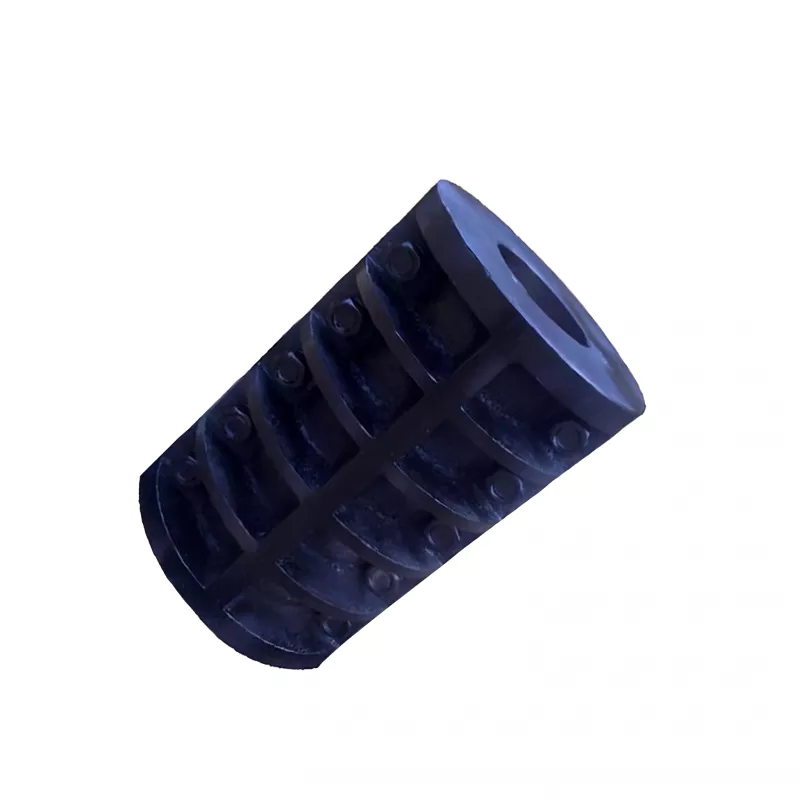
JQ-50
Clamping Coupling
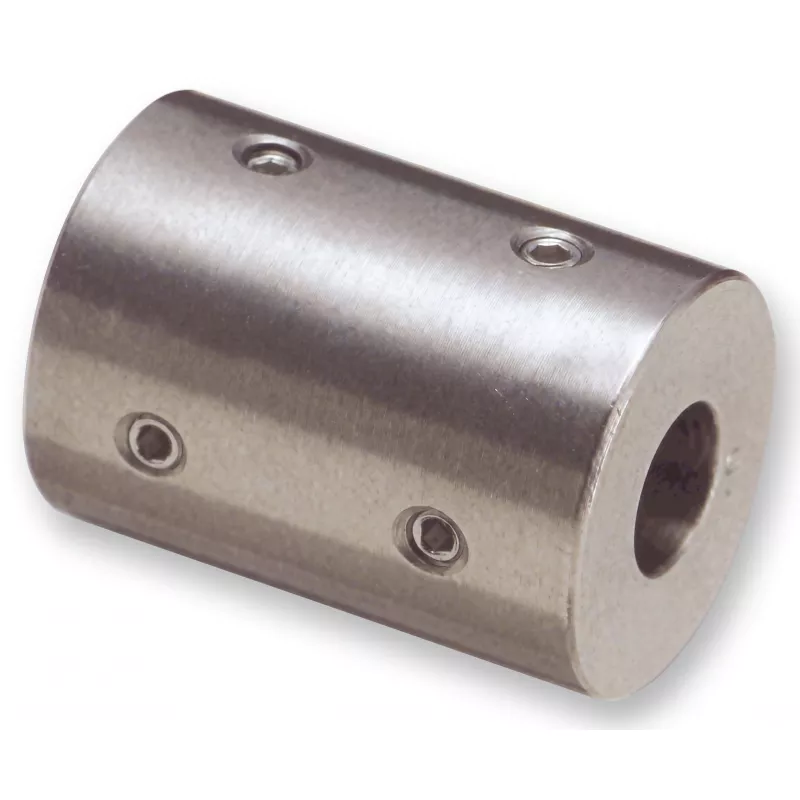
GT10
Sleeve Coupling
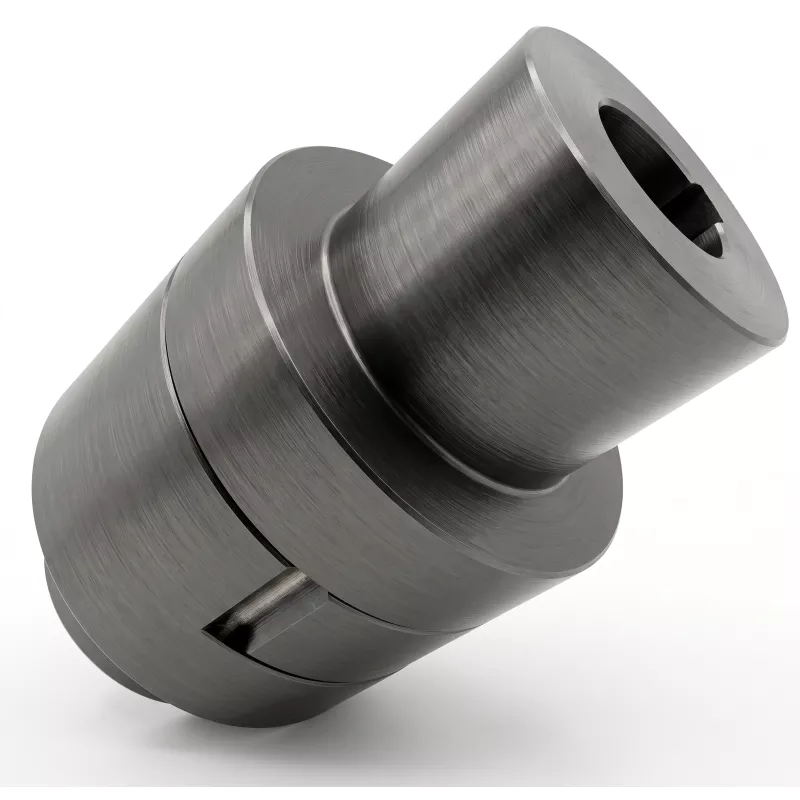
SL150
Oldham Coupling
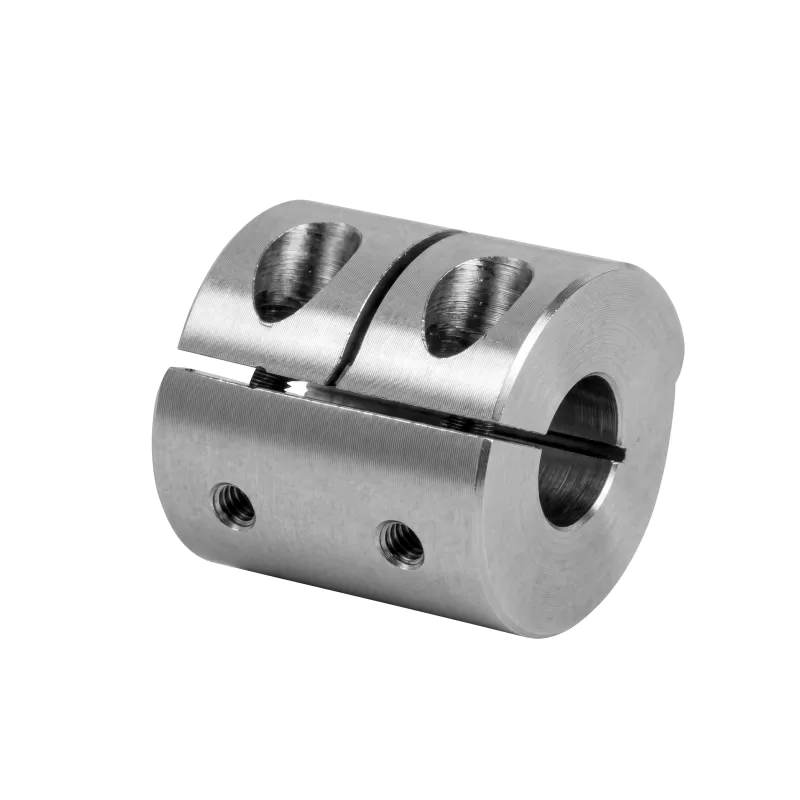
TS7C-25
Clamp-Type Micro Rigid Coupling
TS7Z50×90
Locking Assembly
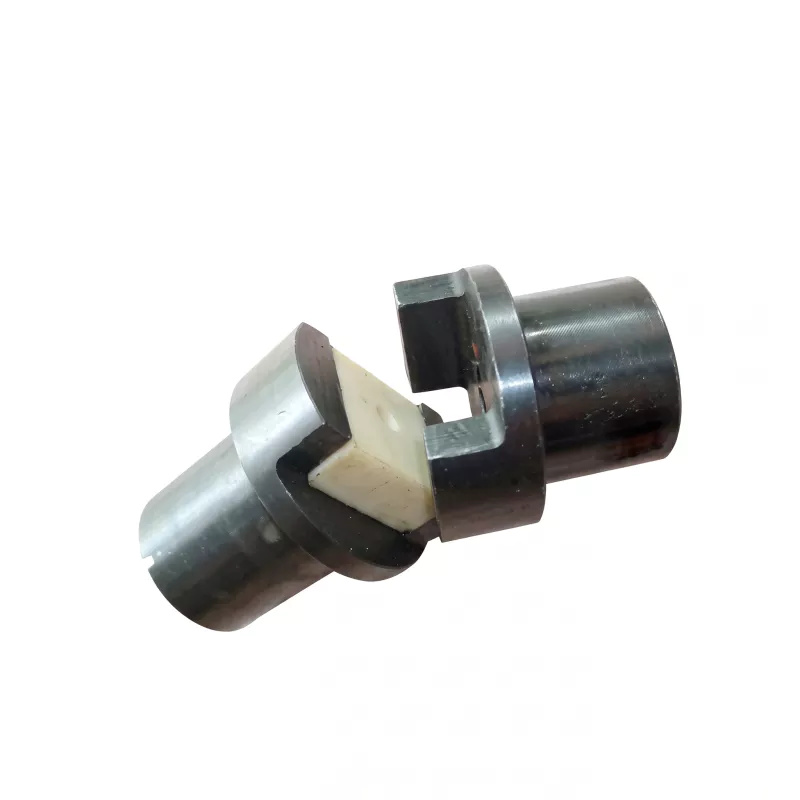
WH6
WH Sliding-Block Coupling
Buyer Feedback
What Our Customers Say
Procurement managers and maintenance engineers across multiple industries have sourced rigid shaft couplings from Ever Power. Here is a selection of their feedback.
"We ordered a batch of GY8 flange couplings for pump drive replacements in our water treatment facility. Dimensional accuracy was exactly per the GB standard drawings we submitted — no machining needed on arrival. Packing was solid, no transit damage."
"TS7C clamp-type rigid couplings for our servo-driven packaging line. The technical team at Ever Power confirmed bore compatibility and keyway dimensions before production — saved us a lot of back-and-forth. Quality is consistent across batches."
"Sourced JQ-70 and JQ-90 clamping couplings for reactor agitator shafts across three chemical plants. Price is competitive versus local suppliers and quality passes our incoming inspection. Will repeat the order."
UK Mining Conveyor Replacement Project
A British underground conveyor operator needed to replace worn flanged couplings on six belt drive heads within a scheduled maintenance window. Ever Power supplied GY10 flange couplings machined to non-standard bore sizes within the project timeline, with material certificates for the client's engineering records.
Netherlands Food Processing Line Upgrade
A Dutch food equipment manufacturer required stainless steel micro rigid couplings for a new high-speed portioning line. STS7C-25 clamp-type couplings in 316 stainless steel were specified, verified for hygienic washdown compatibility, and supplied with traceability documentation to meet EU food safety equipment requirements.
Our Factory
Manufacturer. Not a Trading Company.
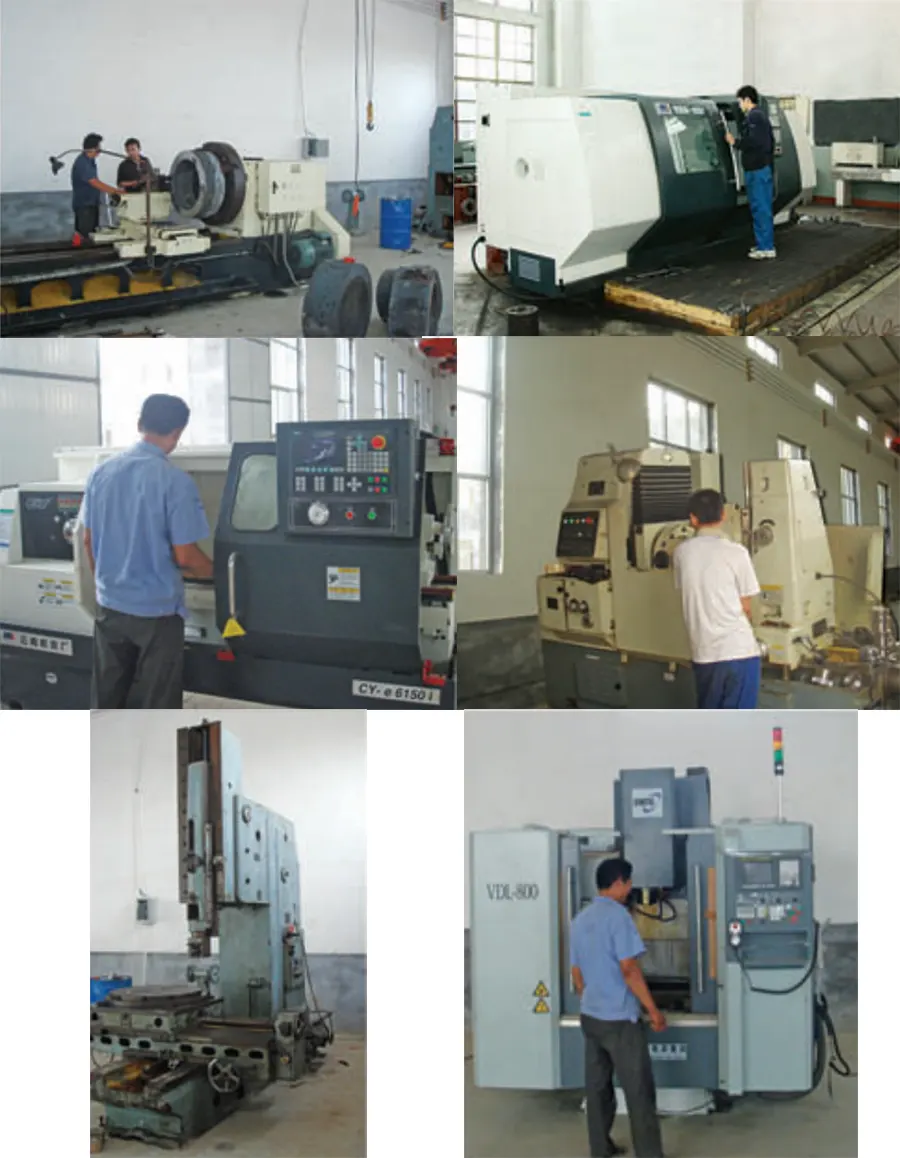
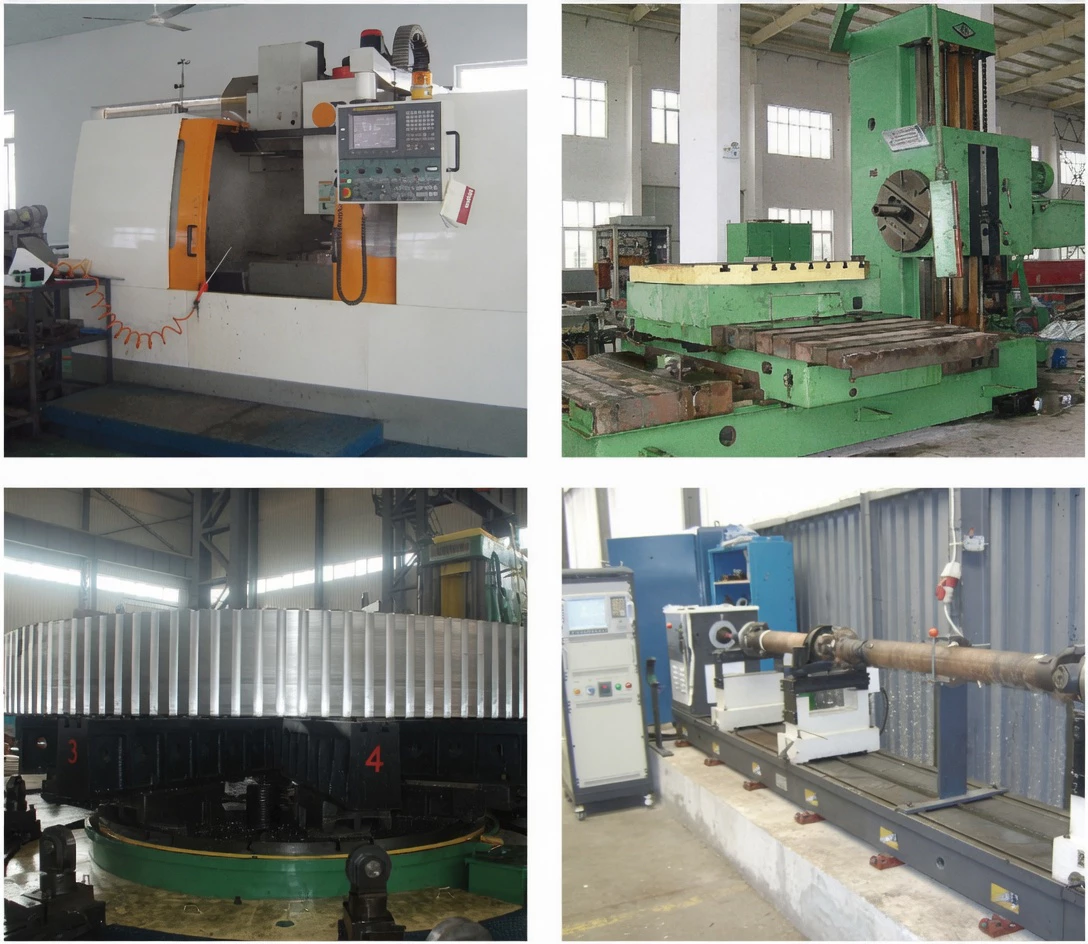
Ever Power operates its own machining and quality inspection facility. When you place an order, you are working directly with the people who cut the metal — not a desk that passes your specifications to an unknown sub-supplier.
This means full process control, honest lead time estimates, and the ability to accommodate custom bore and keyway requirements that a trading intermediary simply cannot commit to.
- In-house CNC turning and milling for bore and keyway machining
- CMM dimensional inspection on critical coupling parameters
- Dynamic balancing for high-speed flange coupling assemblies
- Export-grade crating and anti-corrosion packaging for ocean freight
- Quality documentation: material cert, inspection report, packing list

What Is a Rigid Shaft Coupling — And When Should You Use One?
A rigid shaft coupling is a mechanical device that connects two rotating shafts end-to-end to transmit torque and rotational speed. Unlike flexible couplings, which incorporate elastomeric, metallic, or disc elements to absorb misalignment and vibration, a rigid coupling creates a completely fixed connection with zero relative movement between the two shaft ends. There is no slip, no damping, and no angular or radial compliance — what one shaft does, the other must do identically.
This characteristic makes rigid shaft couplings the correct choice wherever alignment can be guaranteed and where precise position correlation between driver and driven shafts is required. Pump-motor assemblies mounted on a common base plate and aligned by a competent millwright, servo-motor-to-leadscrew connections in CNC machines, and reactor agitator shaft extensions are all examples where rigidity is an advantage, not a liability.
Rigid vs. Flexible Coupling: The Core Trade-Off
The selection between rigid and flexible coupling types reduces to a single question: can you guarantee shaft alignment, or do you need the coupling to compensate for it? If your shafts are accurately aligned — within the angular and parallel tolerances the coupling manufacturer specifies — a rigid coupling delivers maximum torque density, zero backlash, and the longest service life of any coupling category. If misalignment is present and cannot be corrected at installation, a flexible coupling absorbs it and prevents bearing overload.
For a detailed comparison by application type, visit our application guidance page where we cross-reference coupling type against operating conditions.
Rigid Coupling Types — A Technical Overview
Flange Coupling (YL, YLD, GY, GYS, GYH Series)
The flanged rigid coupling is the most common shaft-to-shaft connection in industrial machinery. Two flanged hubs — one on each shaft — are bolted together face-to-face using precisely fitted bolts that transmit torque in shear. The YL/YLD series conforms to GB 5843-86 for torque ratings from 10 to 20,000 N·m; the GY/GYS/GYH series follows the updated GB/T 5843-2003 standard and covers nominal torques from 25 to 100,000 N·m. Hub bores accept Y-type straight bores with A-type keyways as the default, with J and J1 short-hub options available to reduce axial length where space is constrained.
Sleeve Coupling (GT Series)
The sleeve coupling — sometimes called a muff coupling or box coupling — is a single-piece cylindrical sleeve through which both shaft ends pass, with torque transmitted by a key or taper pin. It occupies the smallest radial envelope of any rigid coupling type and suits low-speed, light-load, smooth-running applications such as textile spindle drives and irrigation pump shafts. Shaft bore tolerance is H7; coupling material is typically 45# carbon steel for bores under 60 mm and cast iron for larger sizes.
Clamping Coupling (JQ Series)
The JQ clamping coupling is a split rigid coupling — two identical half-shells that clamp around both shaft ends and are drawn together by through-bolts. Its defining advantage is that installation and removal require no axial movement of either shaft, making it the correct choice for agitator shaft connections on enclosed reactor vessels where axial travel is obstructed. Torque transmission depends on bolt clamping force and the friction coefficient between shell and shaft; for non-standard output shaft diameters, specify the bore at enquiry stage.
Micro Rigid Coupling (TS7, TS7C Series)
Miniature rigid couplings for precision motion applications. The TS7 setscrew type uses two grub screws per hub to lock onto the shaft; the TS7C clamp type uses a slotted hub drawn closed by a single bolt, generating uniform radial clamping force without point loading. Both are available in aluminum alloy (standard) and 316 stainless steel (STS7, STS7C prefix) for corrosive environments. Moment of inertia figures are calibrated at maximum shaft bore — consult the datasheet when calculating servo motor inertia ratios.
Locking Assembly (TS7Z Series)
The TS7Z locking assembly is not a shaft-to-shaft coupling in the conventional sense — it connects a hub to a shaft by generating radial pressure through tightening bolts that advance a two-ring conical taper mechanism. This eliminates keyways and their associated stress concentrations, distributes clamping load evenly around the shaft circumference, and achieves higher torque density than equivalent keyed connections. Applications include gearbox output hubs, sprocket mounting, and anywhere a hub-to-shaft joint is more appropriate than a shaft-to-shaft bridge.
Oldham (Sliding-Block) Coupling (SL, WH Series)
Technically classified alongside rigid coupling types for their lack of elastomeric elements, Oldham couplings use a three-piece sliding-block mechanism to compensate for parallel shaft offset. The SL series (cross-sliding block) handles radial offset up to 8.0 mm at OD 460, with nominal torques reaching 63,000 N·m. Maximum operating speed is 70–250 rpm, making this type unsuitable for high-speed drive applications. The WH sliding-block coupling covers lighter torques with improved shock absorption for rough drive conditions.
Material Selection for Rigid Couplings
Standard flange and sleeve couplings are produced in gray cast iron (HT200) for cost-sensitive applications and in cast steel or 45# forged steel where higher torque density or impact resistance is needed. Weight and rotational inertia figures in our datasheets are calculated for cast iron at minimum bore; steel variants are heavier and carry proportionally higher inertia — account for this when sizing motor starting torque for high-inertia loads. For food, pharmaceutical, and coastal environments, stainless steel micro couplings (STS7, STS7C prefix) are the specified option.
How to Select a Rigid Shaft Coupling
Start with three parameters: the nominal torque your application produces (in N·m), the operating speed (in rpm), and the shaft bore diameters on driver and driven sides. Cross-reference these against the coupling series tables to identify the size code that satisfies all three. Then verify that the bore range for that size includes your actual shaft diameter — if it does not, move to the next series size. Finally, confirm that the coupling's L0 dimension (total axial length) fits your available space between shaft ends.
If you are working through a selection for the first time or have an application with non-standard parameters, contact our technical team at [email protected] — we will work through it with you.
Quick Navigation
Standards We Supply To
Get In Touch
Ready to Specify or Source a Rigid Shaft Coupling?
Tell us your torque, speed, bore, and application — our engineers will recommend the right model and provide pricing. No obligation, no delay.