Product Description
FOUR COLORS AVAILANLE: RED ,ORANGE ,GALVANIZED ,BLUE FOR GROOVED COUPLINGS . …
1.All grooved fitting FM UL approved
2.grooved fitting Size:1-12″
3.Material:ductile iron ASTM-A536 Grade 65-45-12
4.Surface :painting,epoxy,hot dip galvanzed grooved fittings
5.Gasket : EDPM , tempersture Range : (-34—-+110ºC)
SILICON , tempersture Range : (-40—-+177ºC)
NITRILE, tempersture Range : (-29—-+82ºC)
Ductile flexible coupling ,ductile iron flexible coupling / galvanized rigid coupling / grooved fittings
| UL FM Flexbile Coupling | |||||
| Nominal Size mm/in | Pipe O.D mm/in | Working Pressure PSI/MPa | Dimensions mm/in | ||
| Ø | L | H | |||
| 25 1 |
33.7 1.327 |
300 2.07 |
55. 2.165 |
95 3.74 |
45 1.772 |
| 32 1¼ |
42.4 1.669 |
300 2.07 |
65 2.559 |
105 4.133 |
45 1.772 |
| 40 1½ |
48.3 1.900 |
300 2.07 |
71. 2.795 |
110 4.331 | 45 1.772 |
| 50 2 |
60.3 2.375 |
300 2.07 |
82 3.228 |
124 4.882 |
45 1.772 |
| 65 2½ |
73.0 2.875 |
300 2.07 |
98 3.858 |
141 5.551 |
45 1.772 |
| 65 3OD |
76.1 3.000 |
300 2.07 |
100 3.937 |
142 5.59 |
45 1.772 |
| 80 3 |
88.9 3.500 |
300 2.07 |
113 4.449 |
160 6.299 |
46 1.811 |
| 100 4 |
114.3 4.500 |
300 2.07 |
142 5.59 |
190 7.48 |
49 1.929 |
| 125 5.5OD |
139.7 5.500 |
300 2.07 |
168 6.614 |
218 8.583 |
49 1.929 |
| 150 6.5OD |
165.1 6.500 |
300 2.07 |
194 7.638 |
244 9.606 |
49 1.929 |
| 150 6 |
168.3 6.625 | 300 2.07 |
198 7.795 |
248 9.764 |
49 1.929 |
| 200 8 |
219.1 8.625 |
300 2.07 |
256. 10.079 |
320 12.598 |
60 2.362 |
| 250 10 |
273 10.748 |
300 2.07 |
328 12.913 |
420 16.535 |
64 2.52 |
| 300 12 |
323.9 12.752 |
300 2.07 |
380 14.961 |
454 17.874 |
64 2.52 |
WE CHINAMFG , MANUFACTURER OF STEEL PIPE AND PIPE FITTINGS ,HAVE EXPORTING EXPERIENCE FOR MORE
THAN 20 YEARS ,OUR PRODUCTS APPROVE ISO, TUV, PED ,API CERTIFICATE .
DETAILS
| Name | Rigid and flexible Coupling, elbow, tee, cross, reducer, cap, mechanical tee, mechanical cross, flange adaptor |
| Standard | ANSI, ASTM, ISO |
| Type | Manufacturer,trading company |
| Material | Ductile iron |
| Finish | Paint, Epoxy or Galvanization |
| Approval | FM/UL |
| Usage | 1) Automatic sprinkler system for fire protection on commercial, civil and municipal constructions like water supplying, gas supplying, heat supplying, etc. 2) Industrial pipeline system on shipping, mine, oil field, textile, powder plant, etc. 3) Pipeline system on subway station, railway station, airport, seaport, bridge, etc. |
| Payment | L/C or T/T |
| Delivery Time | within 30 days or as per customers’ requirment |
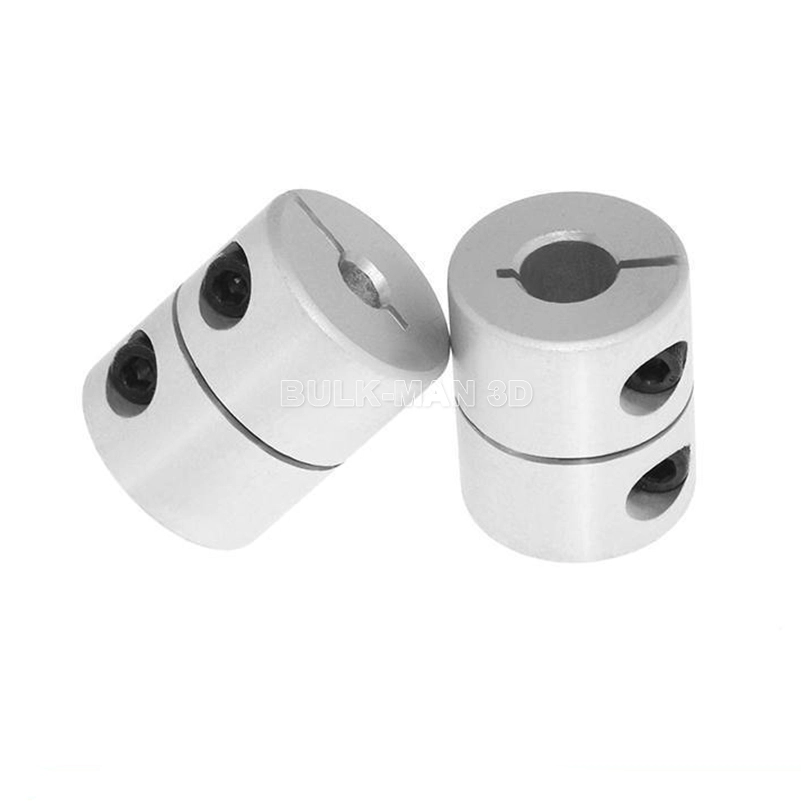
Are There Any Safety Considerations When Using Rigid Couplings in Rotating Machinery?
Yes, there are several safety considerations to keep in mind when using rigid couplings in rotating machinery. While rigid couplings offer various advantages, their use in certain applications requires careful attention to safety measures to prevent accidents and equipment damage. Here are some important safety considerations:
– Secure Installation: Proper installation of rigid couplings is crucial to ensure safety. The coupling must be securely mounted and aligned with the shafts to prevent any slippage or disengagement during operation. Use of appropriate mounting hardware, such as high-strength bolts, is essential to maintain the coupling’s integrity under high-speed and high-torque conditions.
– Shaft Alignment: Accurate shaft alignment is necessary to avoid excessive forces and stress on the connected machinery. Misaligned shafts can lead to uneven loading and increased wear on bearings and other components. Regularly inspect and maintain the shaft alignment to prevent premature failures.
– Preventing Over-Torquing: Applying excessive torque during the installation of rigid couplings can lead to equipment damage and compromise safety. Follow the manufacturer’s torque specifications and use torque-limiting tools to prevent over-torquing and potential failures.
– Protective Guards: In some applications, rotating machinery with rigid couplings may pose a safety hazard to personnel working nearby. Install appropriate protective guards and covers to prevent accidental contact with rotating shafts, minimizing the risk of injury.
– Regular Maintenance: Implement a routine maintenance schedule to inspect the rigid couplings and associated equipment. Check for signs of wear, fatigue, or cracks. Address any issues promptly to avoid potential catastrophic failures.
– Operational Speed Limits: Be aware of the operational speed limits specified by the manufacturer for the rigid couplings. Exceeding these limits can result in significant stress and fatigue on the coupling, leading to failure.
– Appropriate Coupling Selection: Choose the appropriate type and size of rigid coupling for the specific application. Using an undersized coupling can lead to excessive loads and potential failure, while an oversized coupling may not efficiently transmit torque.
– Temperature Considerations: Rigid couplings can experience temperature variations during operation. Ensure that the material and design of the coupling are suitable for the anticipated temperature range of the application to maintain safety and performance.
– Training and Awareness: Provide proper training to personnel working with rotating machinery equipped with rigid couplings. Ensure they are aware of safety procedures and potential hazards associated with the equipment.
Adhering to these safety considerations will help ensure the safe and reliable operation of rotating machinery equipped with rigid couplings. Regular maintenance, correct installation, and diligent attention to safety guidelines will minimize risks and contribute to a safe working environment.
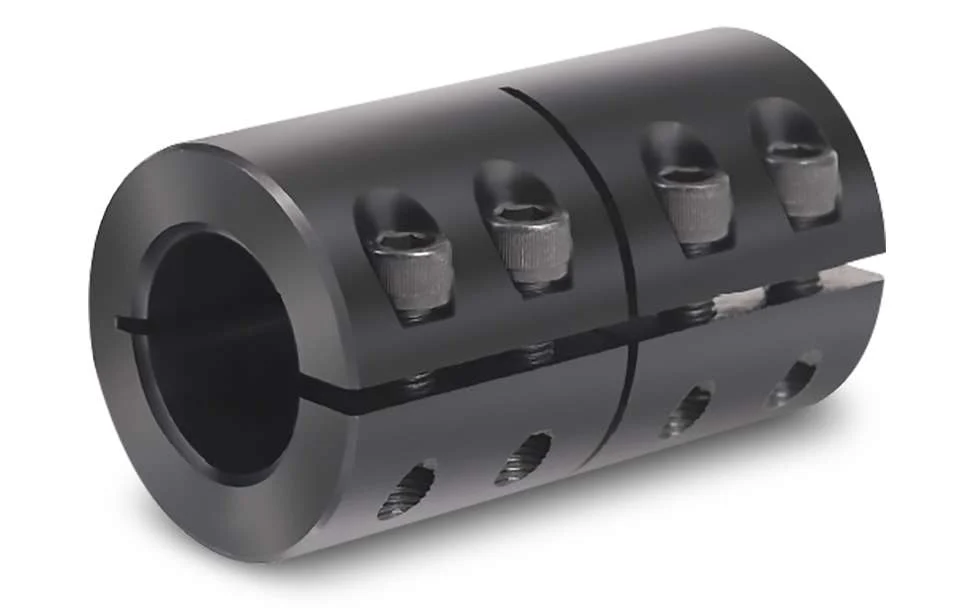
Impact of Rigid Coupling on the Overall Reliability of Connected Equipment
A rigid coupling plays a crucial role in enhancing the overall reliability of connected equipment in mechanical systems. Here’s how it positively impacts reliability:
1. Power Transmission Efficiency: Rigid couplings provide a direct and efficient connection between the shafts of the connected equipment. With no flexible elements, there is minimal power loss, ensuring efficient power transmission from one shaft to another.
2. Elimination of Backlash: Rigid couplings have zero backlash, which is crucial in precision applications. Backlash, which is the play or clearance between connected components, can cause inaccuracies in motion control systems. With a rigid coupling, any movement is directly transferred, maintaining precise positioning.
3. Zero-Maintenance Option: Some rigid couplings are designed to be maintenance-free. They do not require lubrication or periodic adjustments, reducing downtime and ensuring continuous operation.
4. High Torque Transmission: Rigid couplings can handle high torque loads, making them suitable for heavy-duty applications. Their robust construction ensures reliable torque transmission without failure or slippage.
5. Resistant to Misalignment: While rigid couplings offer no flexibility, they are excellent at handling axial misalignment and angular misalignment, provided it falls within their design limits. This ability to tolerate some misalignment enhances reliability and reduces the risk of component damage.
6. Vibration Damping: The stiffness of rigid couplings aids in damping vibrations generated during operation. By minimizing vibrations, the coupling helps protect connected equipment from excessive stress and fatigue failure.
7. Increased System Stiffness: Rigid couplings contribute to the overall stiffness of the mechanical system. This stiffness improves the dynamic response of the system and reduces the likelihood of resonance, leading to more reliable operation.
8. Simple and Compact Design: Rigid couplings have a straightforward and compact design, which reduces the chances of component failure or wear. Their simplicity makes them easy to install and maintain, further enhancing system reliability.
9. Suitable for High-Speed Applications: Rigid couplings are well-suited for high-speed applications due to their ability to maintain accurate shaft alignment and transmit torque efficiently.
10. Compatibility with Various Industries: Rigid couplings find applications in a wide range of industries, including automotive, aerospace, manufacturing, and more. Their versatility and reliability make them a popular choice in demanding industrial environments.
Overall, the use of a properly selected and installed rigid coupling enhances the reliability of connected equipment by providing a robust and efficient connection between shafts. It ensures precise power transmission, reduced maintenance requirements, and improved system performance, leading to increased overall reliability and uptime of the mechanical system.
What is a Rigid Coupling and How Does it Work?
A rigid coupling is a type of mechanical coupling used to connect two shafts together at their ends to transmit torque and rotational motion without any flexibility or misalignment accommodation. Unlike flexible couplings, rigid couplings do not allow for angular, parallel, or axial misalignment between the shafts. The main purpose of a rigid coupling is to provide a strong and solid connection between two shafts, ensuring precise and synchronous power transmission between them.
Structure and Design:
Rigid couplings are typically made from durable materials such as steel, stainless steel, or aluminum, which can withstand high torque and load applications. The coupling consists of two halves, each with a cylindrical bore that fits tightly onto the respective shafts. The two halves are then fastened together using bolts or set screws to ensure a secure and rigid connection.
Working Principle:
The working principle of a rigid coupling is straightforward. When the two shafts are aligned precisely and the coupling is securely fastened, any torque applied to one shaft gets directly transferred to the other shaft. The rigid coupling essentially makes the two shafts act as one continuous shaft, allowing for synchronous rotation without any relative movement or play between them.
Applications:
Rigid couplings are commonly used in applications where precise alignment and torque transmission are essential. Some common applications of rigid couplings include:
- High-precision machinery and equipment
- Robotics and automation systems
- Precision motion control systems
- Machine tools
- Shaft-driven pumps and compressors
Advantages:
The key advantages of using rigid couplings include:
- High Torque Transmission: Rigid couplings can handle high torque and power transmission without any loss due to flexibility.
- Precision: They provide accurate and synchronous rotation between the shafts, making them suitable for precise applications.
- Simple Design: Rigid couplings have a simple design with minimal moving parts, making them easy to install and maintain.
- Cost-Effective: Compared to some other coupling types, rigid couplings are generally more cost-effective.
Limitations:
Despite their advantages, rigid couplings have certain limitations:
- No Misalignment Compensation: Rigid couplings cannot accommodate any misalignment between the shafts, making precise alignment during installation crucial.
- Transmits Vibrations: Since rigid couplings do not dampen vibrations, they can transmit vibrations and shocks from one shaft to the other.
- Stress Concentration: In some applications, rigid couplings can create stress concentration at the ends of the shafts.
In summary, rigid couplings are ideal for applications that require precise alignment and high torque transmission. They offer a robust and straightforward solution for connecting shafts and ensuring synchronous power transmission without any flexibility or misalignment accommodation.


editor by CX 2023-11-21