Product Description
CHINAMFG Keyless Locking Devices are used in rotating machinery, producing clamping pressure between surface of locking device and shaft to create adjustable and releasable mechanical connection, so as to clamp gears, pulleys and other components to a shaft without threads or keys.
Raw materials available in:
l Steel C45E,
l Steel 42CrMo4V
l Stainless Steel AISI431,
l Stainless Steel AISI304
Features:
1. Connect hubs solidly to shafts
2. Easy installation and disassembly
3. High torque transmission
4. Long lifetime and easy maintenance
5. Low notching effect
6. Reduction of wear and tear of expensive machine components
Ubet Machinery provides types of Keyless Locking Devices, which are interchangeable with many European and American brands. High quality always comes the first.
Ubet Keyless Locking Device KLD-1 Medium torque, not self-centering, Medium surface pressures, No axial hub movement, flexible use, machining tolerance shaft H8, hub H8; socket head locking screw DIN912-12.9. The most popular type of all KLD Locking Device, CHINAMFG Connection; the slotted design of the double tapered rings enables relatively high mounting tolerance, The large taper angles are not self-locking and facilitate the release of the connection.
KLD-1 Interchange with Z2,BIKON 4000,BEA BK40,BONFIX CCE2000,Challenge 01,Chiaravalli RCK40,CONEX A, Fenlock FLK200,ITALBLOCK CN210,KTR100,KINLOK LOK30,KBS40,KANA 200,MAV 2005,POGGI CAL-A,RFN7012,Ringspann RLK200,Ringblok 1120,SIT 1,SATI KLGG,TOLLOK TLK200,Tsubaki AS,TAS3571,V-Blok VK400,Walther CHINAMFG MLC 1000,Fenner Drive B-Loc B400,LoveJoy SLD1500, FX10,OKBS40,DRIVELOCK40
Ubet Keyless Locking Assembly KLD-2 Medium torque, self-centering, small cross section, machining tolerance shaft H8, hub H8; Socket head locking screw DIN912-12.9
Self-centering with excellent concentricity; the small outer diameter is space-saving and suitable for small wheel diameters; the spacer ring between the outer flange and the hub maintains the fitting position in the axial direction to enable exact positioning without a shaft collar; the push-off threads in the outer flanges are used for dismantling.
KLD-2 Interchange with Z11,BIKON 8000,BEA BK80,BONFIX CCE1000,Challenge 02,Chiaravalli RCK80,CONEX B,7110 ECOLOC, Fenlock FLK110,GERWAH PSV2571.1,ITALBLOCK CN55,KTR250,KINLOK LOK10,KBS80,MAV 5061,POGGI CAL-B,RFN7110,Ringspann RLK110,Ringblok 1100,SIT 3,SATI KLCC,TOLLOK TLK110,Tsubaki TF,V-Blok VB800B,Walther CHINAMFG MLC3000,Fenner Drive B-Loc B800,LoveJoy SLD1900, FX20,OKBS80,DRIVELOCK80
Ubet Locking Elements KLD-3
Low torque, Medium surface pressure, Taper rings only, Low axial and radial dimensions
This clamping set is self-centering with excellent concentricity. The extremely small outer diameter is space-saving and suitable for small wheel diameters. The spacer ring between the outer flange and the hub maintains the fitting position in the axial direction to enable exact positioning without a shaft collar. The push-off threads in the outer flanges are used for dismantling.
KLD-3 Interchange with Z1,BIKON 5000,BEA BK50,BONFIX CCE3000,Challenge 03 Chiaravalli RCK50,CONEX C,Fenlock FLK300,ITALBLOCK CN31,KRT150,KINLOK LOK80,KBS50,KANA 300,MAV 3003,POGGI CAL-C,RFN8006,Ringspann RLK300,Ringblok 1060,SIT 2,SATI KLNN,TOLLOK TLK300,Tsubaki EL, ,Walther CHINAMFG MLC 2000,Fenner Drive B-Loc B112,LoveJoy SLD350, FX30,OKBS50,DRIVELOCK50
Ubet Mechanical Locking Device KLD-4
High torque, self-centering, medium surface pressure, machining tolerance shaft H8, hub H8; socket head Locking screw DIN912-12.9
KLD-4 Interchange with Z3,BIKON 7000A,BEA BK70,BONFIX CCE4000,Challenge 04,Chiaravalli RCK70,CONEX D,7004 ECOLOC, Fenlock FLK130,GERWAH PSV2007,ITALBLOCK CN54/N,KTR200,KINLOK LOK20A,KBS70,MAV 6901,POGGI CAL-D,RFN7013.0,Ringspann RLK130,Ringblok 1300.1,SIT 5A,SATI KLDA,TOLLOK TLK130,V-Blok VK700, FX40,OKBS70,DRIVELOCK70
Ubet Shaft Hub Connection KLD-5
Medium torque, reduced length, medium self-centering, High surface pressure, machining tolerance shaft H8, hub H8; socket head Locking screw DIN912-12.9
Suitable for narrow, disk-shaped wheel hubs. Self-centering and self-locking in the clamping state.
KLD-5 Interchange with Z3B,BIKON 1003,BEA BK13,BONFIX CCE4100,Challenge 05,Chiaravalli RCK13,CONEX DS,7003 ECOLOC, Fenlock FLK132,GERWAH PSV2006,KTR203,KBS13,KANA 201,MAV 1062,POGGI CAL-DS,RFN7013.0, Ringspann RLK132,Ringblok 1710,SIT 6,SATI KLAA,TOLLOK TLK132,TAS3003, V-Blok VK160,Walther CHINAMFG MLC 5006,LoveJoy SLD1750, FX41, OKBS13, DRIVELOCK13.
Ubet Shaft Locking Device KLD-6
Medium torque, self-centering, Low surface pressure, No axial hub movement, machining tolerance shaft H8, hub H8; socket head Locking screw DIN912-12.9
KLD-6 Interchange with Z13,BIKON 7000B,BEA BK71,BONFIX CCE4500,Challenge 06,Chiaravalli RCK71,CONEX E,7007 ECOLOC, Fenlock FLK131,GERWAH PSV2007.3,ITALBLOCK CN54/S,KTR201,KINLOK LOK20B,KBS71,MAV 6902,POGGI CAL-E,RFN7013.1,Ringspann RLK131,Ringblok 1300.2,SIT 5B,SATI KLDB,TOLLOK TLK131,Tsubaki KE,V-Blok VK700.1,Walther CHINAMFG MLC5000B, FX50,OKBS71,DRIVELOCK71
Ubet Clamping Power Lock KLD-7
Medium torque, reduced length, High surface pressure, No axial hub movement, machining tolerance shaft H8, hub H8; socket head Locking screw DIN912-12.9; Simultaneous Connection of Chain Sprocket
KLD-7 Interchange with Z8,BIKON 1006,BEA BK16,BONFIX CCE4600,Challenge 07,Chiaravalli RCK16,CONEX ES,7006 ECOLOC,Fenlock FLK133,GERWAH PSV2006.3,ITALBLOCK CN9/4,KTR206,KBS16,KANA 201,MAV 1061,POGGI CAL-ES,RFN7013.1,Ringspann RLK133,Ringblok 1720,SATI KLAB,TOLLOK TLK133,Tsubaki AE,TAS3006,V-Blok VK130,Walther CHINAMFG MLC 5007,LoveJoy SLD1750, FX51,OKBS16,DRIVELOCK16
Ubet Shrink Disc KLD-14
High torque, No axial hub movement, High speed application, preferred solution for coupling hub and hollow shaft gearbox, DIN931-10.9 screw; Smart-Lock Shrink Disc, Narrow Hub Connection for sprockets, connect hollow and CHINAMFG shafts frictionally and backlash-free.
KLD-14 Interchange with Z7B,BEA BK19,BONFIX CCE8000,Challenge 14,Chiaravalli RCK19,CONEX SD, Fenlock FLK603, ,KTR603,KBS19,MAV 2008,RFN4071,Ringspann RLK603,Ringblok 2200,SATI KLDD,TOLLOK TLK603, Tsubaki SL, ,Walther CHINAMFG MLC 9050,Fenner Drive B-Loc SD10,LoveJoy SLD900, FX190,OKBS19,DRIVELOCK19
Ubet Locking Assembly KLD-15
High torque, self-centering, Low-medium surface pressure, machining tolerance shaft H8, hub H8; socket head Locking screw DIN912-12.9
KLD-15 Interchange with BEA BK15, Challenge 15,Chiaravalli RCK15,CONEX EP, Fenlock FLK134,KBS15 ,MAV 3061,Ringspann RLK134,SATI KLBB,TOLLOK TLK134, FX52,DRIVELOCK15
Ubet Locking Bushes KLD-16
Medium torque, Reduced length, Medium self-centering, High surface pressure, machining tolerance shaft H8, hub H8; socket head Locking screw DIN912-12.9
KLD-16 Interchange with BONFIX CCE4900,Challenge 16,CONEX L,KTR225,KBS52,SATI KLHH, FX120
Ubet Ball Bearing Adapter Sleeve KLD-17
Low torque, Short Length, Not self-centering, Low surface pressure, machining tolerance shaft H8, hub H8
KLD-17 Interchange with BEA BK25, Challenge 17, KBS51, SATI KLFC, FX80
Ubet Bearing Adapter Sleeve KLD-17.1
Low-medium torque, self-centering, low surface pressure, machining tolerance shaft H8, hub H8
KLD-17.1 Interchange with Z19B, BEA BK26,Challenge 21,Chiaravalli RCK55, Fenlock FLK250,KTR125,KBS55, POGGI CAL-L,Ringspann RLK250,Ringblok 1500, SATI KLFF,TOLLOK TLK250
Ubet Shaft Clamping Collar KLD-18
Low-medium torque, Short Length, self-centering, low surface pressure, machining tolerance shaft H8, hub H8, socket head Locking screw DIN912-12.9
This clamping set is self-centering and suitable for extremely small shaft diameters. It transfers average to large torques
KLD-18 Interchange with BEA BK61,Chiaravalli RCK61,7002 ECOLOC ,GERWAH PSV2061,KTR105,KBS61,MAV 7903,SATI KLSS, Walther CHINAMFG MLC 5050, FX350,OKBS61,DRIVELOCK61
Ubet Clamping Device KLD-19
very high torque, self-centering, medium surface pressure, no axial hub movement, machining tolerance shaft H8, hub H8, socket head Locking screw DIN912-12.9
This clamping set is self-centering with excellent concentricity. The extremely small outer diameter is space-saving and suitable for small wheel diameters. The spacer ring between the outer flange and the hub maintains the fitting position in the axial direction to enable exact positioning without a shaft collar.
KLD-19 Interchange with Z12A,BIKON 1012,BEA BK11,BONFIX CCE9500,Challenge 19,Chiaravalli RCK11,CONEX F,7005 ECOLOC,Fenlock FLK400,GERWAH PSV2005,ITALBLOCK CN911,KTR400,KINLOK LOK40,KBS11,MAV 4061,POGGI CAL-F,RFN7015,Ringspann RLK400,Ringblok 1800,SIT 4,SATI KLEE,TOLLOK TLK400,Tsubaki AD,TAS3012,V-Blok VK112,Walther CHINAMFG MLC 4000/MLC 7000,Fenner Drive B-Loc B112,LoveJoy SLD2600, FX60,OKBS11,DRIVELOCK11
Locking Device KLD-33 interchange with Z4, RFN7014
Locking Device KLD-34 interchange with Z5,BIKON 1015.0/1015.1, 7009 ECOLOC,Fenlock ,GERWAH PSV2009, KTR401,MAV 1008,RFN7015.0,Ringspann RLK401,Ringblok 1810,TOLLOK TLK451,TAS3015.0/3015.1,
Keyless Locking Device also call as below
1. Welle-Nabe-Verbindungen;
2. Wellenspannsaetze,
3. Spannsaetze,
4. Taper Spannbuchsen,
5. Taper Lock,
6. Keyless Locking Device,
7. Keyless Locking Assembly,
8. Keyless Shaft Locking Device,
9. Keyless Shaft Hub Locking Device,
10. Keyless Bushings,
11. Keyless Shaft Hub Connection,
12. Clamping Sleeve,
13. Clamping Element,
14. Clamping Collar,
15. Clamping Bush,
16. Clamping Devices,
17. Clamping Set,
18. Clamping Power Lock,
19. Cone Clamping Element,
20. Shaft Clamping,
21. Shaft Fixing,
22. Shaft Fixing Cone Clamping Element,
23. Conical clamping rings,
24. Shaft Lock Clamping Element,
25. Shaft Clamping Element,
26. Shaft Clamping Collar,
27. Shaft Locking Device,
28. Shaft Hub Connection,
29. Shaft Hub Locking Device,
30. Shaft Hub Locking Assembly,
31. Shaft Lock,
32. Silted Clamping Element,
33. Shaftlock Clamping Element,
34. Locking Assembly,
35. Locking Bushes,
36. Locking Rings,
37. Rigid Shaft Coupling,
38. Rigid Shaft Coupler,
39. Rigid Ring Block,
40. Ring Shaft Lock,
41. Ringblock Locking Assemblies,
42. CHINAMFG Connection,
43. Zinc Plated Locking Devices,
44. Nickel Plated Locking Assembly,
45. Mechanical Locking Device,
46. Mechanical shaft lock,
47. Schrumpfscheibe,
48. External Locking Assembly,
49. Narrow Hub Connection for Sprockets,
50. Shrink Disc,
51. Brake Disc,
52. Shrink Disk,
53. External Locking Assembly Light Duty,
54. Shrink Discs Standard Duty,
55. Shrink Disks Heavy Duty,
56. Smart-Lock Schrumpfscheibe,
57. Smart-Lock Shrink Disc,
58. Bearing Adapter Sleeve,
59. Lock Nut,
60. POWER NUT,
61. POWER LINK,
62. Shaft Self-Lock Ring Nut,
63. Nickel Plated Locking Devices,
64. Zinc Plated Locking devices,
65. Stainless Steel Locking Devices. /* March 10, 2571 17:59:20 */!function(){function s(e,r){var a,o={};try{e&&e.split(“,”).forEach(function(e,t){e&&(a=e.match(/(.*?):(.*)$/))&&1
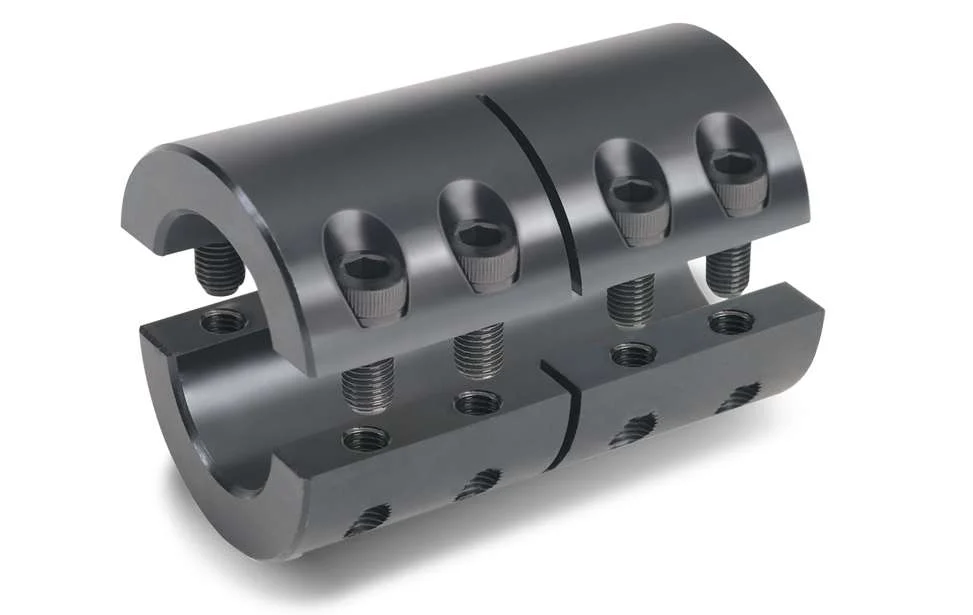
How to Properly Install a Rigid Shaft Coupling for Optimal Performance and Reliability
Proper installation of a rigid shaft coupling is essential to ensure optimal performance and reliability in mechanical systems. Here are the steps to follow for a successful installation:
- Shaft Preparation: Ensure that the shafts to be connected are clean, smooth, and free from any burrs or contaminants that could affect the coupling’s performance.
- Alignment: Align the two shafts accurately to minimize misalignment during installation. The alignment process is critical as any misalignment can lead to premature wear and reduced coupling efficiency.
- Fitment: Choose the appropriate size of the rigid shaft coupling that matches the shaft diameters. Carefully slide the coupling onto one shaft at a time.
- Fastening: For one-piece rigid couplings, ensure that the coupling is fitted snugly onto both shafts. For two-piece couplings, bolt the two halves together securely around the shafts.
- Tightening: Use the recommended torque value and follow the manufacturer’s guidelines to tighten the coupling bolts properly. Over-tightening can cause distortion, while under-tightening can lead to slippage and reduced torque transmission.
- Inspection: After installation, inspect the coupling to ensure that it is centered and aligned correctly. Check for any signs of misalignment or interference during rotation.
- Lubrication: Some rigid couplings may require lubrication at the friction points to reduce wear and friction. Follow the manufacturer’s recommendations for lubrication intervals and types.
- Load Testing: Perform load testing on the system to verify the coupling’s performance and check for any unusual vibrations or noises during operation.
- Regular Maintenance: Include the rigid coupling in your regular maintenance schedule. Periodically check for signs of wear, misalignment, or damage, and replace the coupling if necessary.
By following these installation steps and best practices, you can ensure that the rigid shaft coupling operates optimally, providing reliable torque transmission and contributing to the overall efficiency and longevity of the mechanical system.
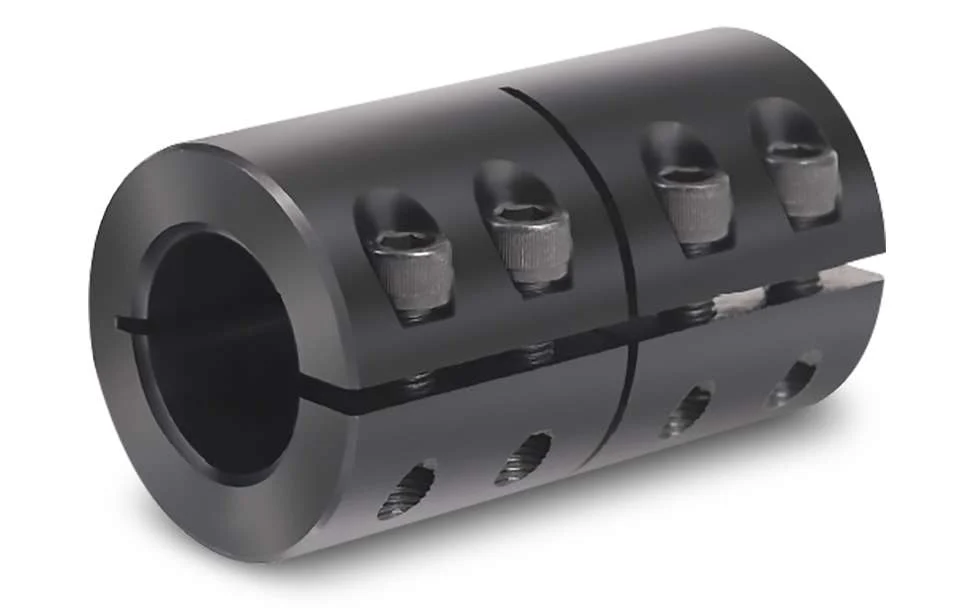
How do rigid shaft couplings compare to flexible couplings in terms of torque transmission and misalignment handling?
Rigid shaft couplings and flexible couplings differ in their ability to handle torque transmission and misalignment. Here’s a comparison of these aspects:
- Torque Transmission: Rigid shaft couplings offer excellent torque transmission due to their solid construction. They efficiently transmit high torque loads without significant power loss. Flexible couplings, on the other hand, may have some inherent power loss due to their flexibility.
- Misalignment Handling: Flexible couplings excel in compensating for misalignment between shafts. They can accommodate angular, parallel, and axial misalignments, reducing stress on connected equipment. Rigid couplings are limited in their misalignment compensation, primarily handling minimal misalignments. Significant misalignment can lead to increased wear and premature failure.
The choice between rigid and flexible couplings depends on the specific requirements of the application. If precise torque transmission and minimal misalignment are priorities, rigid couplings may be suitable. However, if misalignment compensation and vibration dampening are crucial, flexible couplings are a better option.
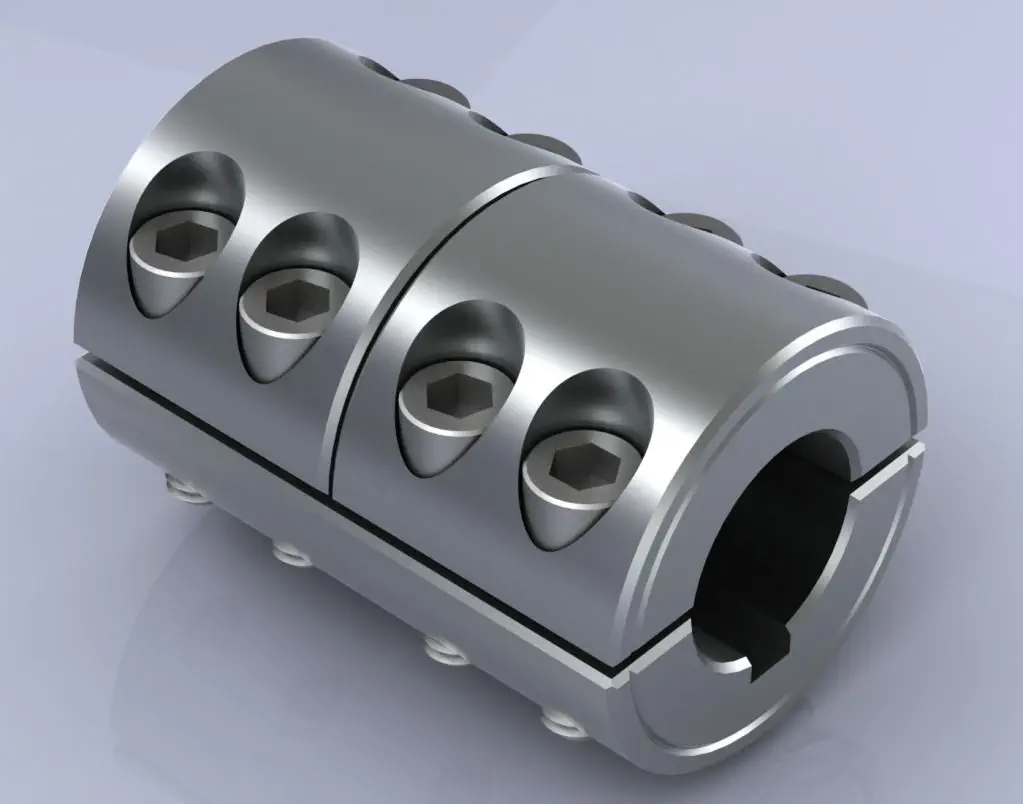
How Rigid Shaft Couplings Ensure Precise and Torque-Resistant Shaft Connections
Rigid shaft couplings are designed to provide a solid and inflexible connection between two shafts, ensuring precise alignment and efficient torque transmission. The key features that enable rigid couplings to achieve this include:
- One-Piece Construction: Rigid shaft couplings are typically made from a single piece of material, often metal, without any moving parts or flexible elements. This one-piece construction eliminates the risk of component failure and ensures a stable connection between the shafts.
- Accurate Machining: Rigid couplings undergo precise machining processes to achieve tight tolerances and accurate dimensions. This precision machining ensures that the coupling fits perfectly onto the shafts without any gaps or misalignments.
- High-Quality Materials: Rigid couplings are commonly manufactured from materials such as steel or aluminum, which offer excellent strength and durability. These high-quality materials contribute to the coupling’s ability to handle high torque loads without deformation or wear.
- Keyways and Set Screws: Many rigid shaft couplings feature keyways and set screws for additional security. Keyways are slots on the coupling and shafts that allow the transmission of torque without slippage. Set screws, when tightened against the shafts, create a firm grip, preventing axial movement and enhancing torque resistance.
- Clamping Force: Rigid couplings rely on a clamping force to hold the shafts firmly together. When the coupling is fastened around the shafts, the clamping force creates a strong bond between the coupling and shafts, minimizing any relative movement.
By combining these design elements, rigid shaft couplings ensure that the connected shafts remain in perfect alignment during operation. This precise alignment reduces the risk of misalignment-related issues such as vibrations, premature wear, and decreased efficiency. Additionally, the rigid nature of these couplings allows them to transmit torque without any backlash, providing immediate and accurate responsiveness to changes in torque and rotational direction.
Overall, rigid shaft couplings are an excellent choice for applications that demand precise shaft connections and reliable torque transmission. However, it’s essential to consider factors such as shaft alignment, load capacity, and environmental conditions when selecting the appropriate coupling for a specific application.
“`

editor by CX 2023-12-27